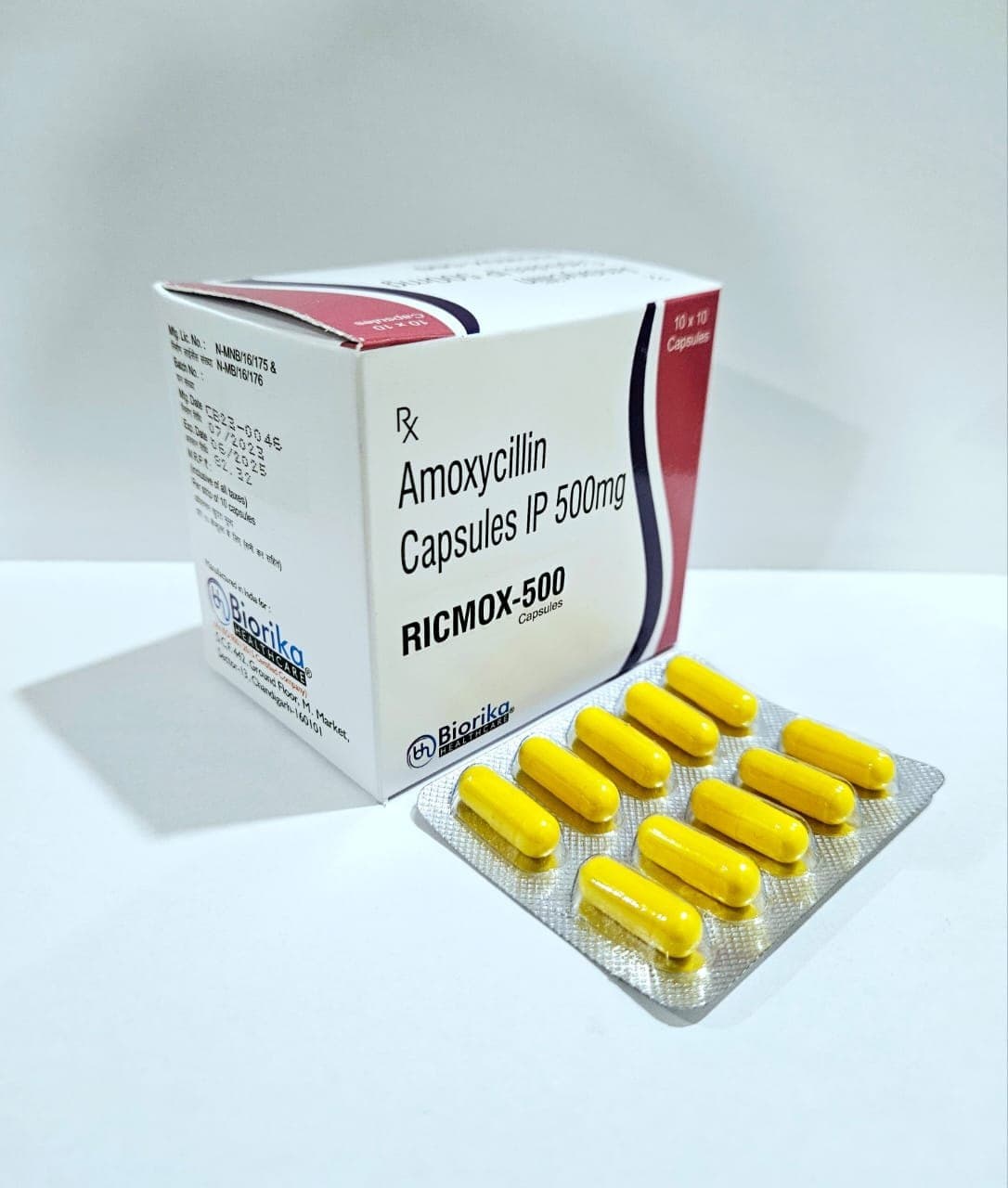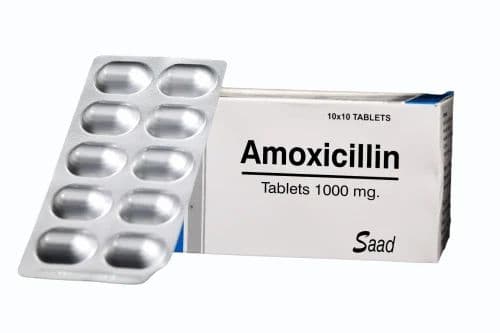
Amoxicillin: What It Treats and How It Works
Reviewed by the Kamagra AUS Pharmacy Team on 16 September 2026 · Next review June 2027
Summary
A plain-English guide to amoxicillin, the penicillin-class antibiotic used across Australia for ear, chest, urinary and skin infections, and how it works.
In short
Amoxicillin is a penicillin-class antibiotic prescribed in Australia for common bacterial infections: chest, sinus and some throat infections, ear infections, urinary tract infections, skin infections and certain dental infections. It is a Schedule 4 Prescription Only Medicine, supplied only after a doctor has assessed the infection, and it does nothing for viral illnesses.
Amoxicillin is one of the most widely prescribed antibiotics in Australia, valued for its broad reach against common bacterial infections and its long safety record. It belongs to the penicillin family and is available in a range of strengths, from Amoxicillin 250mg up to higher-dose options, so a prescriber can match the tablet to the infection and the person taking it. As a Schedule 4 Prescription Only Medicine, it's only supplied against a valid prescription written after a doctor has assessed what's actually going on.
What Amoxicillin Treats
Amoxicillin is used for a wide range of bacterial infections, including infections of the respiratory tract (such as some cases of tonsillitis, sinusitis and chest infections), ear infections, urinary tract infections, skin infections and certain dental infections. It's frequently chosen as a first-line option because it's generally well tolerated and effective against many of the bacteria that commonly cause these problems in the community.
It's important to remember that amoxicillin only works on bacterial infections, not viral ones like the common cold or flu. Taking an antibiotic for a virus won't help you get better faster and contributes to broader antibiotic resistance problems, which is one reason your doctor will assess your symptoms carefully before prescribing.
How It Works
Amoxicillin belongs to a class of antibiotics known as penicillins, more specifically the aminopenicillins. It works by interfering with the way bacteria build their cell walls. Bacteria need a firm outer wall to survive and multiply, and amoxicillin blocks the enzymes involved in constructing that wall. Weakened bacteria eventually break apart and die off, which is why symptoms typically start easing within a couple of days of starting a course, although this varies from person to person and infection to infection.
Because amoxicillin targets a structure that human cells don't have, it's able to act against bacteria without doing the same damage to our own cells, which is part of why it's such a well-established option across the antibiotics category.
Broad Versus Narrow Spectrum
Amoxicillin is considered a broad-spectrum antibiotic, meaning it acts against a wide variety of bacterial species rather than just one or two. This versatility is useful when a doctor needs to start treatment before lab results identifying the exact bacterium are back. In some cases, amoxicillin is combined with clavulanic acid to extend its effectiveness against bacteria that would otherwise be resistant, though that combination product is a separate formulation to plain amoxicillin.
Who Shouldn't Take It
Amoxicillin isn't suitable for everyone. People with a known allergy to penicillins or a history of severe allergic reactions to other beta-lactam antibiotics need to tell their doctor before starting treatment. Certain medical conditions and other medicines you're taking can also affect whether amoxicillin is right for you, which is why a proper medical history is taken before it's prescribed.
Taking It Properly
Your prescriber and pharmacist will explain how to take your course of amoxicillin, including timing around food and the importance of completing the full course even if you start feeling better early. Finishing the entire prescribed course, rather than stopping once symptoms ease, helps make sure the infection is properly cleared and reduces the chance of resistant bacteria surviving.
If you experience side effects such as rash, diarrhoea or anything that feels unusual or severe, contact your doctor or pharmacist promptly. Always read the patient information leaflet that comes with your medicine, and speak with your doctor or pharmacist if you have any questions about whether amoxicillin is right for you.
Frequently asked questions
Can amoxicillin treat viral infections like colds or flu?+
No. Amoxicillin only works against bacteria, not viruses, so it won't help with the common cold or flu. Your doctor will assess whether your symptoms point to a bacterial cause before prescribing it.
Is amoxicillin the same as penicillin?+
Amoxicillin belongs to the penicillin family of antibiotics, but it's a specific type, an aminopenicillin, developed to have a broader range of activity than original penicillin.
What should I do if I miss a dose?+
Follow the guidance in your patient information leaflet, and speak with your pharmacist or doctor if you're unsure, since advice can vary depending on how soon your next dose is due.
Kamagra AUS Health Editorial Team
Plain-English health writing from our in-house editorial team — sourced to the TGA, healthdirect and each medicine's product information, and focused on how Australians actually access and use medicines safely.
How our content is written & reviewedSources for the medical information in this guide
- Healthdirect Australia — Amoxicillin — Search "amoxicillin" for Australian guidance: dosing intervals, alcohol, allergy.
- Australian Commission on Safety and Quality in Health Care — antimicrobial stewardship — Course completion and antibiotic-resistance basics.
Related treatments
Browse the medicines and conditions related to this guide:
Mentioned in this guide
Shop the treatments covered here
Genuine medicines from the guide above — discreetly delivered Australia-wide.