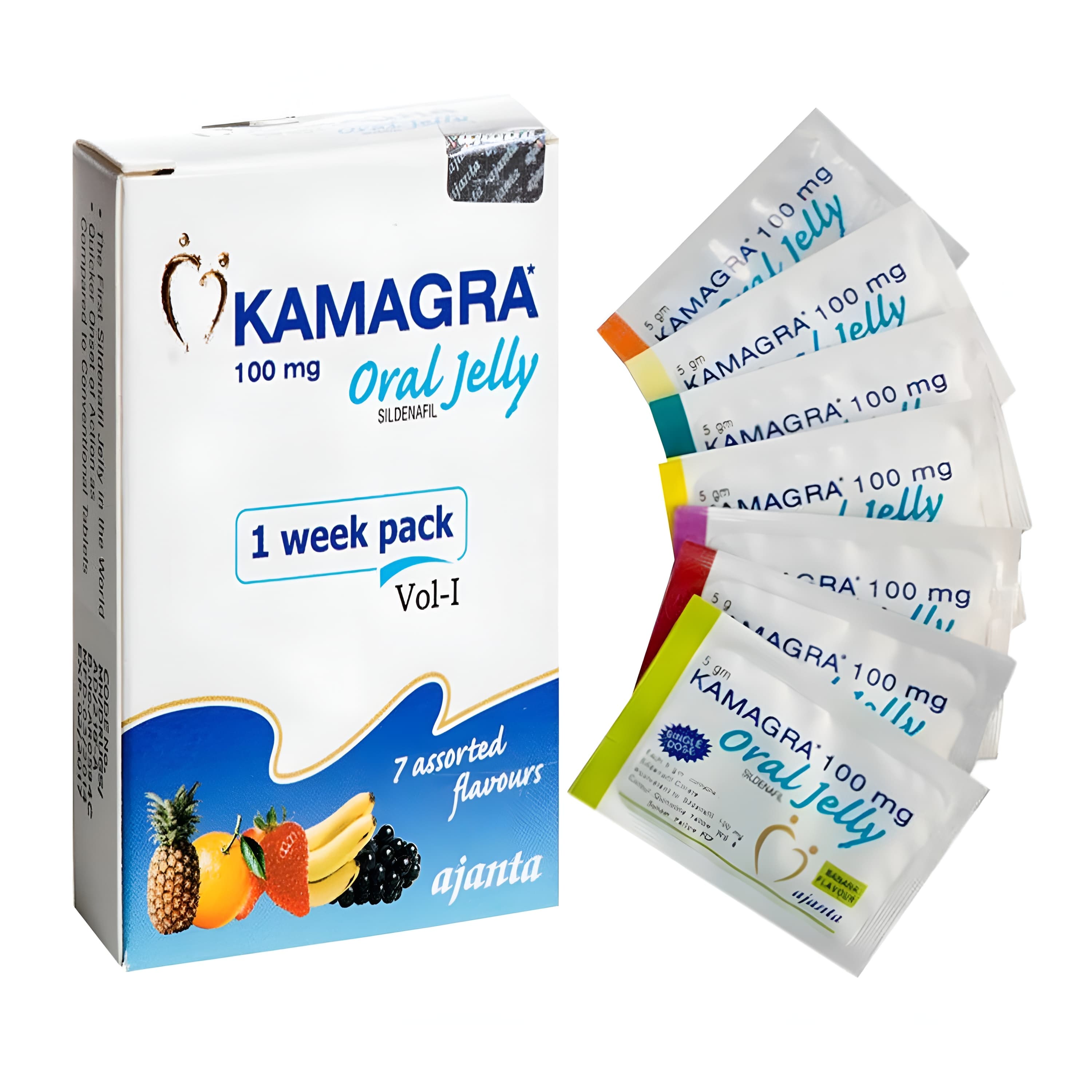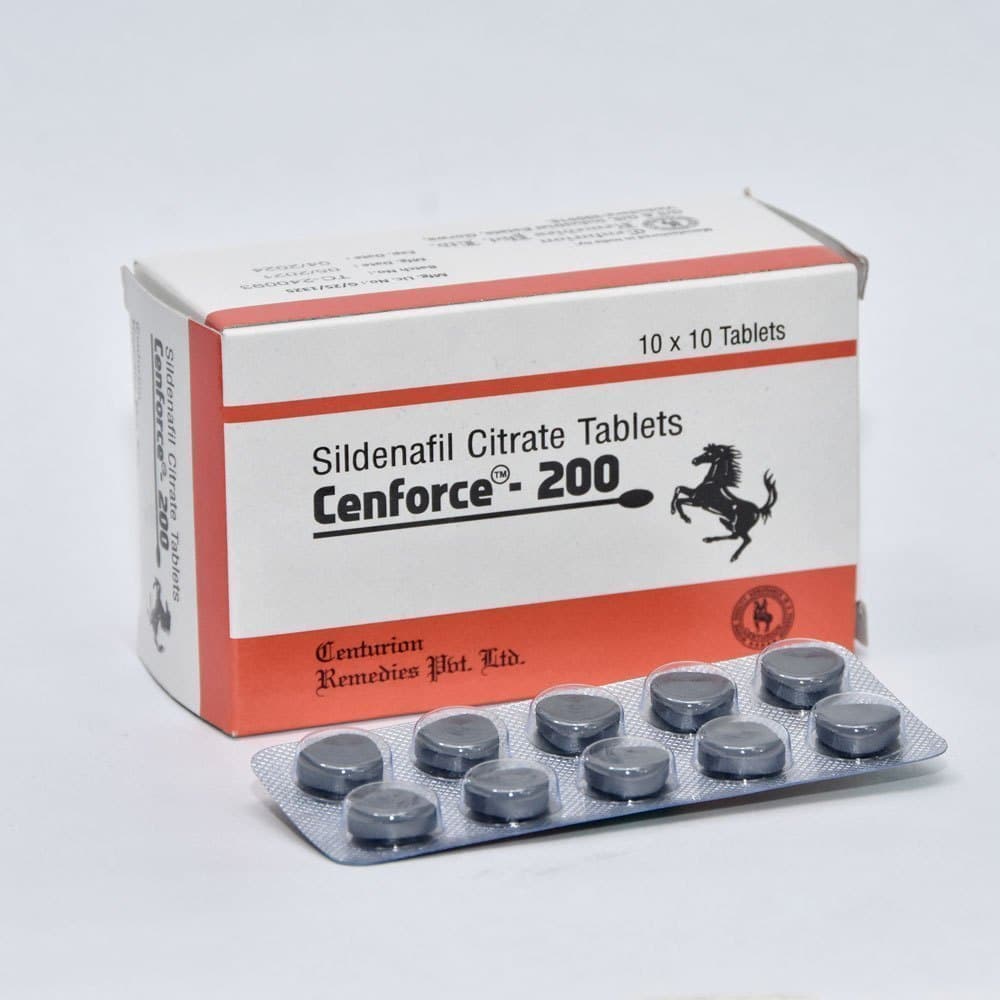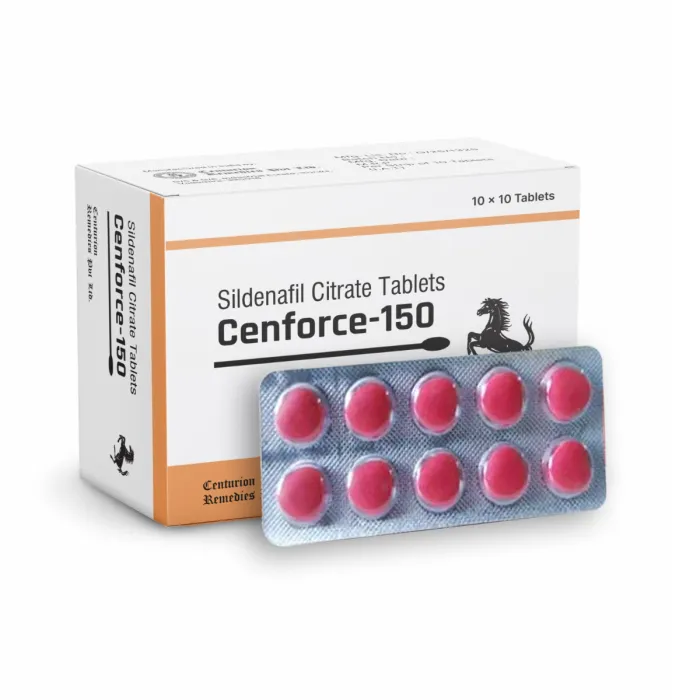
What Generic Medicine Actually Means in Australia
Reviewed by the Kamagra AUS Pharmacy Team on 18 July 2026 · Next review June 2027
Summary
The word generic gets used loosely and often wrongly. Here is what it means under Australian regulation, what a generic must prove before it can be supplied, and what it definitely does not mean.
On this page
A generic medicine, in Australian medicine regulation, is a product containing the same active ingredient, strength and dosage form as an original brand-name medicine, assessed to deliver that ingredient into the body in the same way. The word gets used loosely outside that definition, and a good deal of confusion — some of it deliberately cultivated by unregulated sellers — comes from people applying it to products that don't actually qualify.
The regulatory definition
A generic medicine contains the same active ingredient, in the same amount and the same dose form, as a medicine that has already been approved. It is supplied after the original manufacturer's patent has expired, by a different company.
Crucially, it is not simply a copy that appears on the market. In Australia, a generic must be evaluated by the Therapeutic Goods Administration and entered on the Australian Register of Therapeutic Goods before it can lawfully be supplied. The registration is what makes it a generic in any meaningful sense.
What the manufacturer has to prove
Two things sit at the centre of generic approval.
- Bioequivalence. The manufacturer must demonstrate that the generic delivers the active ingredient into the bloodstream in a comparable way to the reference product, within defined statistical limits. This is measured in studies, not asserted.
- Manufacturing quality. The same good manufacturing practice standards apply. Facilities are subject to inspection, batches must be consistent, and the product must meet specifications for purity, stability and content.
Ongoing obligations continue after approval: adverse event reporting, batch traceability, and the TGA's power to recall a product from the market.
What stays identical
- The active ingredient and the amount of it per unit.
- The route of administration and the dose form.
- The quality and manufacturing standards applied.
- The legal classification. A generic of a Schedule 4 medicine is still Schedule 4. Sildenafil, tadalafil, vardenafil and dapoxetine remain prescription-only in Australia whether the box carries a well-known brand name or a manufacturer's own name, and a valid prescription from a registered Australian prescriber is required either way.
What is allowed to differ
- Inactive ingredients. Fillers, binders, coatings, colours and flavourings can vary between manufacturers. For most people this makes no practical difference, but it matters if you have a known allergy or intolerance. Lactose is the usual example, and it is worth telling your pharmacist about any sensitivity so they can check the excipients.
- Appearance. Tablet shape, size, colour, scoring and imprint codes differ, as does packaging. This is a trademark issue rather than a quality one.
- Name. Many generics are sold under the ingredient name, sometimes paired with the manufacturer's name.
- Price. Almost always lower, for reasons covered in a separate article.
The most important distinction
There is a difference between a registered generic and an unregistered product, and the two are frequently blurred by sellers who benefit from the confusion.
A registered generic has been assessed by the TGA, appears on the ARTG, and reaches you through a regulated Australian supply chain. An unregistered product shipped from an overseas website has not necessarily been assessed by anyone. It might be well made. It might not be. Nothing about the process tells you which, and the label is written by the same people selling it.
Calling both of these things generic makes them sound equivalent. They are not.
Substitution at the pharmacy counter
Australian pharmacists may offer an equivalent brand in place of the one written on the prescription, unless the prescriber has indicated that substitution is not permitted or you ask to stay with a particular brand. You are entitled to ask before agreeing, and reasonable questions include:
- Is the active ingredient and strength identical?
- Does this brand contain anything I have reacted to before?
- Is it on the ARTG?
- Is there a price difference, and how much?
The nocebo problem
Some people genuinely feel that a different brand suits them less well. Expectation influences perceived outcomes in both directions, and the effect is well documented. That is not a reason to dismiss someone's experience, but it is a reason to raise it with a pharmacist rather than quietly switching to an unregulated source. Occasionally there is a real explanation, such as an excipient intolerance, and it can be identified.
Safety does not change with the label
Whether a medicine in this class is branded or generic, the same clinical cautions apply. Nitrates, including glyceryl trinitrate and isosorbide products and recreational nitrites, are an absolute contraindication. Caution applies with alpha-blockers and in significant cardiovascular disease. Chest pain, an erection lasting more than four hours, or sudden vision or hearing loss all warrant urgent medical care.
In short
Generic is a regulatory status, not a marketing adjective. In Australia it means a TGA-evaluated, ARTG-registered product held to the same standards as the original. If you want independent reading, the Australian Commission on Safety and Quality in Health Care and Healthdirect Australia both publish plain-English material on generics — and your pharmacist can tell you exactly which category any product in front of you falls into.
This article is general information about medicine regulation, not medical advice. Talk to your doctor or pharmacist about any specific medicine.
Frequently asked questions
Is a generic medicine the same as the brand-name version?+
It contains the same active ingredient in the same amount and dose form, and must demonstrate bioequivalence and meet the same manufacturing standards before the TGA will register it. Inactive ingredients, appearance and price can differ.
Does buying a generic change whether I need a prescription?+
No. A generic of a Schedule 4 medicine is still Schedule 4. Sildenafil, tadalafil, vardenafil and dapoxetine require a valid prescription from a registered Australian prescriber regardless of brand.
Is an overseas product advertised as generic the same thing?+
Not necessarily. A generic in the Australian sense has been evaluated by the TGA and listed on the ARTG. A product shipped from an unregulated overseas seller may not have been assessed by any regulator, whatever the packaging claims.
Kamagra AUS Health Editorial Team
Plain-English health writing from our in-house editorial team — sourced to the TGA, healthdirect and each medicine's product information, and focused on how Australians actually access and use medicines safely.
How our content is written & reviewedSources for the medical information in this guide
- Australian Commission on Safety and Quality in Health Care — medicines information — Independent Australian guidance on safe medicines use.
Mentioned in this guide
Shop the treatments covered here
Genuine medicines from the guide above — discreetly delivered Australia-wide.