

Sleep Aids & Wakefulness In stock
Zopisign 10mg — Zopiclone Tablets
Zopiclone 24h dispatch
From
View$76.78
4 packsCondition guide
Insomnia means regularly having trouble falling asleep, staying asleep, or waking too early and not being able to get back to sleep. It can leave you feeling tired, irritable and unable to function well during the day. Short bouts are common, but persistent insomnia is worth addressing with a doctor or pharmacist.
Reviewed by the Kamagra AUS Pharmacy Team on 5 September 2026 · Next review June 2027
Sources for the medical information on this page
The first-line approach to insomnia focuses on improving sleep habits and addressing any underlying causes such as stress or pain. Where a short-term sleep aid is appropriate, medicines such as zopiclone may be prescribed, but these are generally intended only for brief periods because of the risk of dependence and next-day drowsiness. Always read the patient information leaflet and follow medical advice, and do not use sleep medicines for longer than recommended.
Zopiclone 24h dispatch
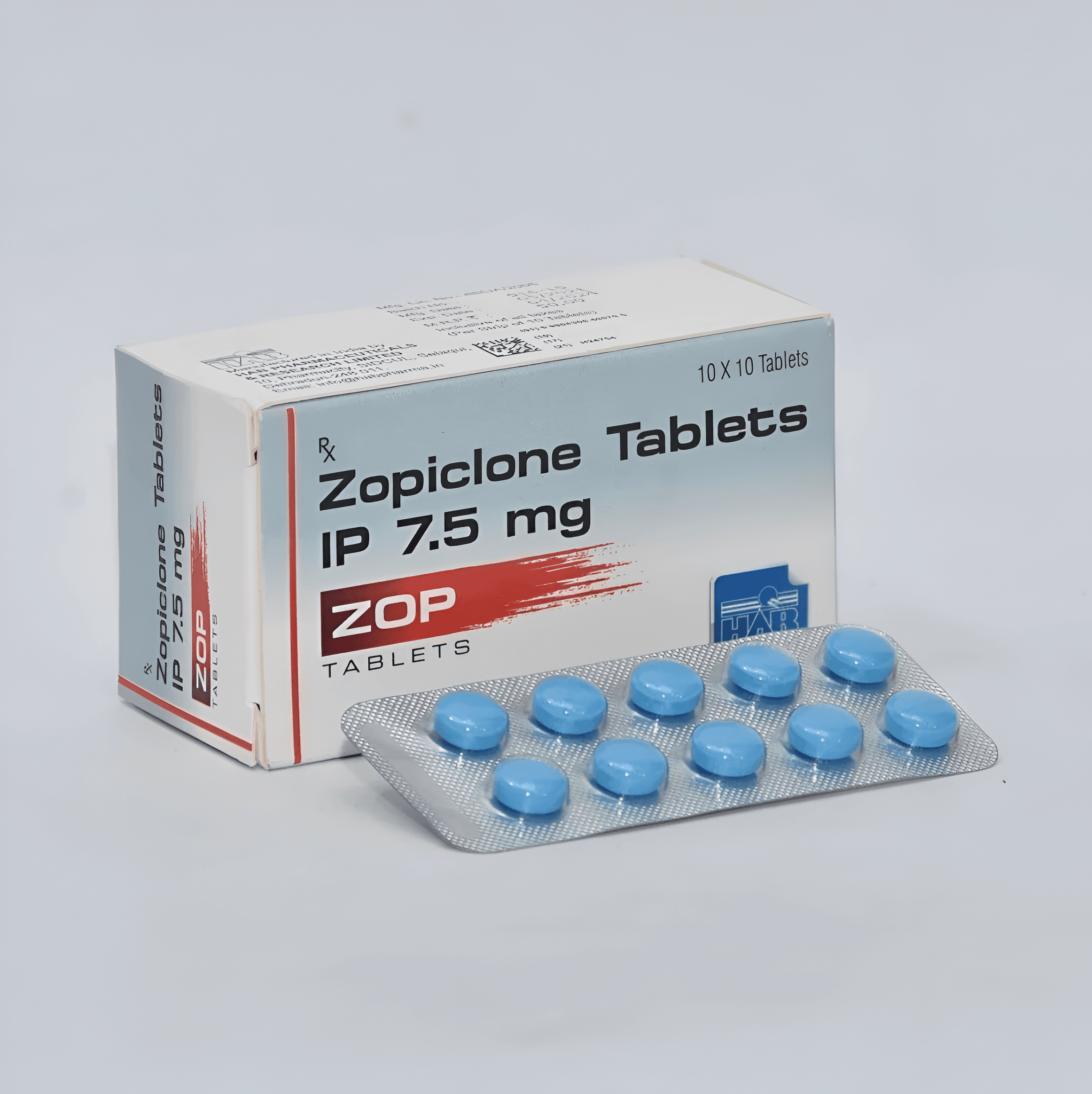
Zopiclone 24h dispatch
If sleep problems persist for more than a few weeks or are affecting your daily life, see a doctor who can look for underlying causes and discuss the best approach. Sleep aids can help in the short term but are not a long-term solution, and good sleep habits remain the foundation of treatment. Read the patient information leaflet carefully and never exceed the recommended duration of use.
Most adults need somewhere in the region of seven to nine hours, but needs vary from person to person. What matters most is whether you feel rested and able to function during the day. If poor sleep is regularly affecting how you feel, it is worth looking into.
Medicines such as zopiclone are intended for short-term use because they carry a risk of dependence and can cause next-day drowsiness. They are not a long-term solution and should be used only as directed. Always read the patient information leaflet and follow your doctor's advice on how long to take them.
Sleep hygiene refers to the habits and environment that support good sleep, such as a regular schedule, a dark and quiet bedroom, and avoiding caffeine and screens before bed. Improving these is the foundation of treating insomnia. Many people see real benefit from these changes alone.
Yes. Stress, anxiety and worry are among the most common causes of insomnia, as a busy mind makes it hard to switch off at night. Addressing the underlying stress, through relaxation techniques or talking therapies, often improves sleep. A doctor can advise if it persists.
See a doctor if insomnia lasts more than a few weeks, affects your daytime functioning, or is linked to low mood, pain or breathing problems. They can identify any underlying cause and discuss suitable options. Read the leaflet of any sleep aid before starting it.
Sleep needs genuinely change across life stages. Here's what the evidence-based ranges actually are, and why "eight hours for everyone" isn't quite the full picture.
Read guideMost people with sleep apnea snore, but most people who snore don't have sleep apnea. Here's how the two actually differ, and when snoring is worth a proper sleep assessment.
Read guideInsomnia has a genuinely wide range of possible causes — stress, habits, physical conditions, medicines and more — which is why 'just take a sleeping tablet' is rarely the complete answer.
Read guideWhy anxiety and insomnia so often occur together, how each can worsen the other, and general approaches to managing both.
Read guideHow screen use before bed affects sleep, separating the role of blue light itself from the broader effect of stimulating content.
Read guideWhy caffeine's effects on sleep last longer than most people expect, and practical tips for timing it around your sleep schedule.
Read guideHow the over-the-counter supplement melatonin compares with the prescription sedative zopiclone, and when each is generally considered.
Read guidePractical, evidence-informed sleep hygiene habits that can improve sleep quality without medicine, and when it's time to see a doctor.
Read guideHow the two Zopisign strengths differ, why a doctor might choose one over the other, and what that means for you.
Read guideWhy zopiclone is usually prescribed for short courses, how tolerance and dependence can develop, and what a safer approach looks like.
Read guideWhat to expect in the first hour after taking zopiclone, how the sensation builds, and why timing your dose properly matters.
Read guideA plain-English guide to zopiclone: what it treats, how it acts on the brain to encourage sleep, and the side effects worth knowing about.
Read guideImportant: This information is general and not a substitute for medical advice. Always read the patient information leaflet supplied with your medicine and consult a doctor or pharmacist before starting treatment.