
Erectile Dysfunction In stock
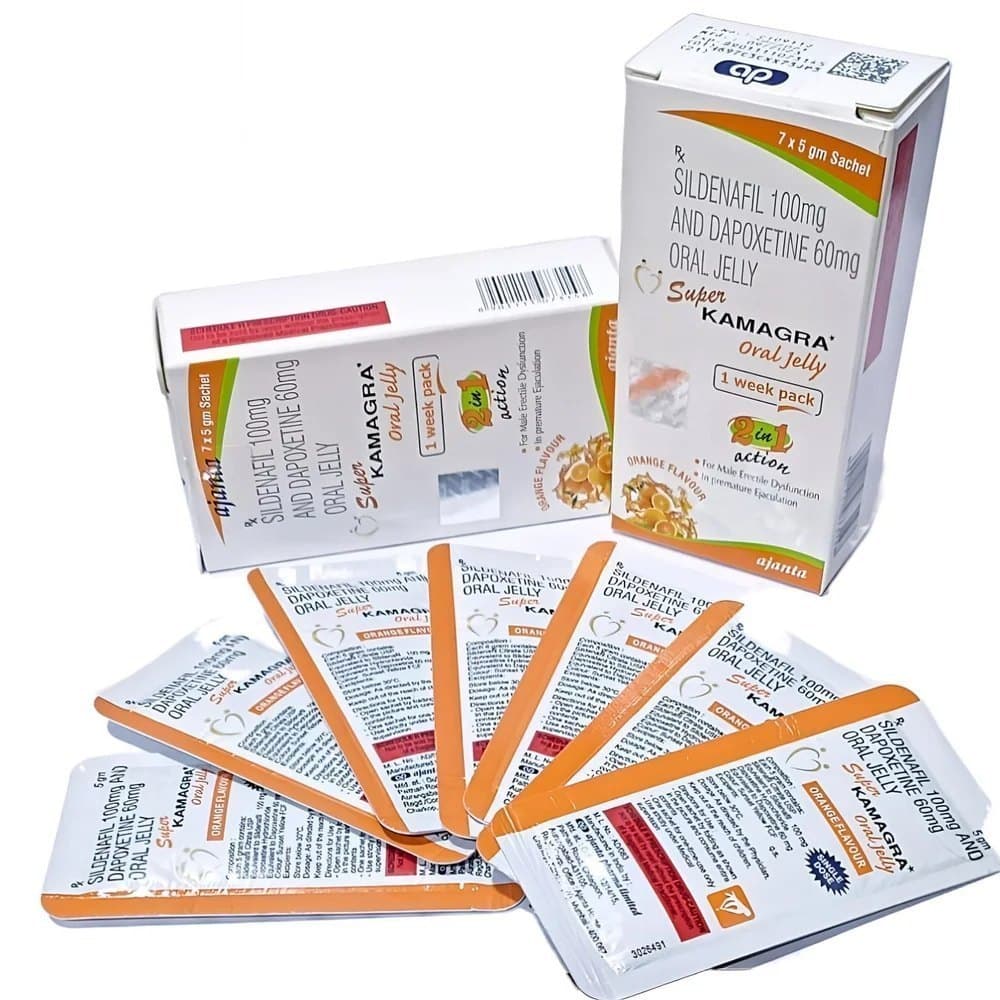
Super Kamagra Oral Jelly
Sildenafil + Dapoxetine 1-day dispatch
From
View$84.00
4 packsCondition guide
Erectile dysfunction (ED) is the persistent difficulty in getting or keeping an erection firm enough for satisfying sex. It is very common, especially as men get older, and it is usually treatable. Occasional difficulty is normal, but ongoing problems are worth discussing with a doctor or pharmacist.
The medicines discussed here are Schedule 4 (prescription-only) in Australia and need a valid Australian prescription; the imported brands are not on the ARTG.
Checked by the Kamagra AUS Health Editorial Team on 15 November 2026 · Next review June 2027
Sources for the medical information on this page
The most common treatments are PDE5 inhibitor tablets such as sildenafil, tadalafil, vardenafil and avanafil, which improve blood flow to the penis to help you get and keep an erection when sexually aroused. They differ in how quickly they work and how long the effect lasts, so a doctor or pharmacist can help you choose. Always read the patient information leaflet, and never take a PDE5 inhibitor with nitrate medicines (used for chest pain or heart conditions), as the combination can cause a dangerous drop in blood pressure.
Sildenafil + Dapoxetine 1-day dispatch
Sildenafil + Dapoxetine 1-day dispatch
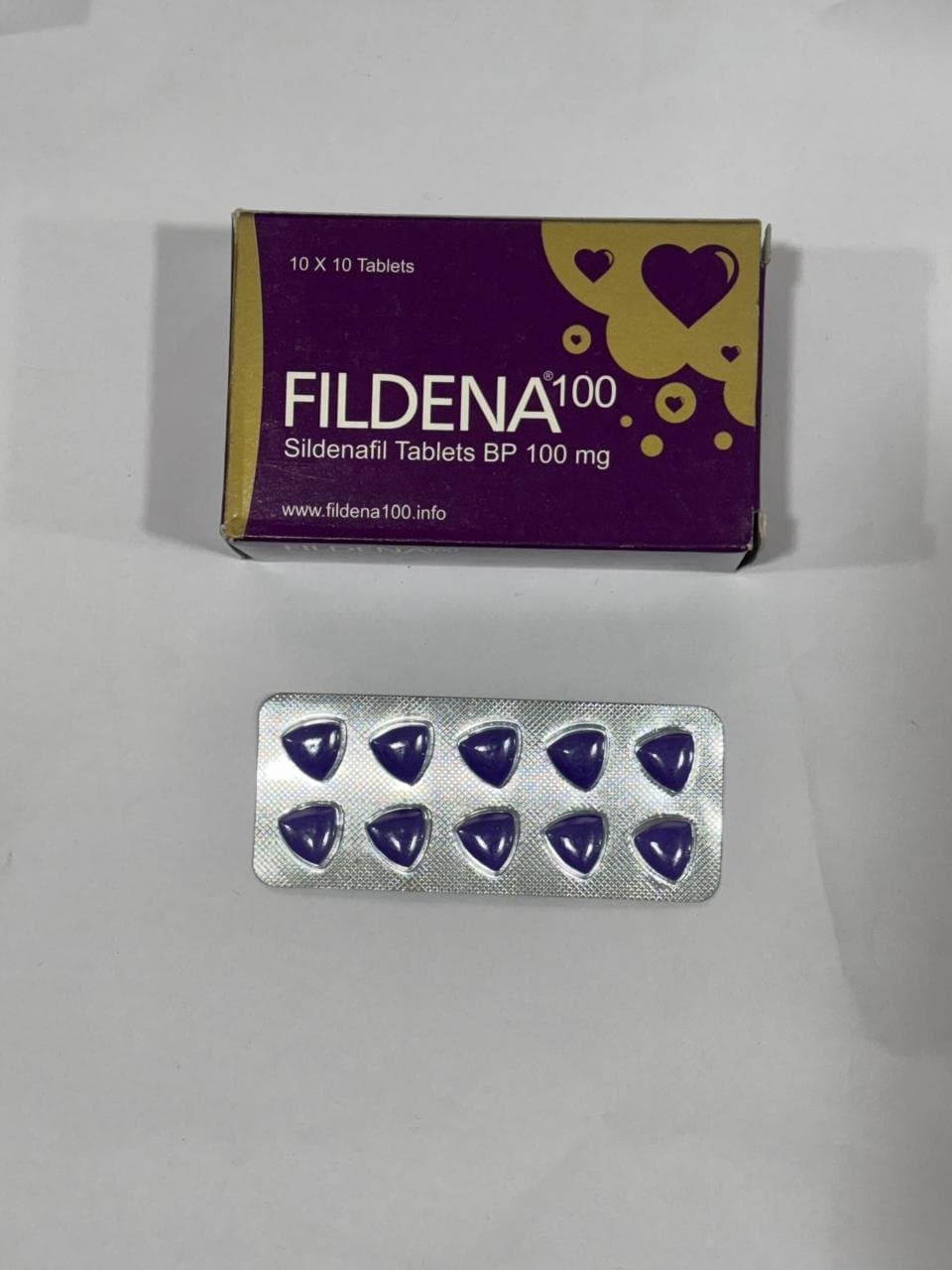
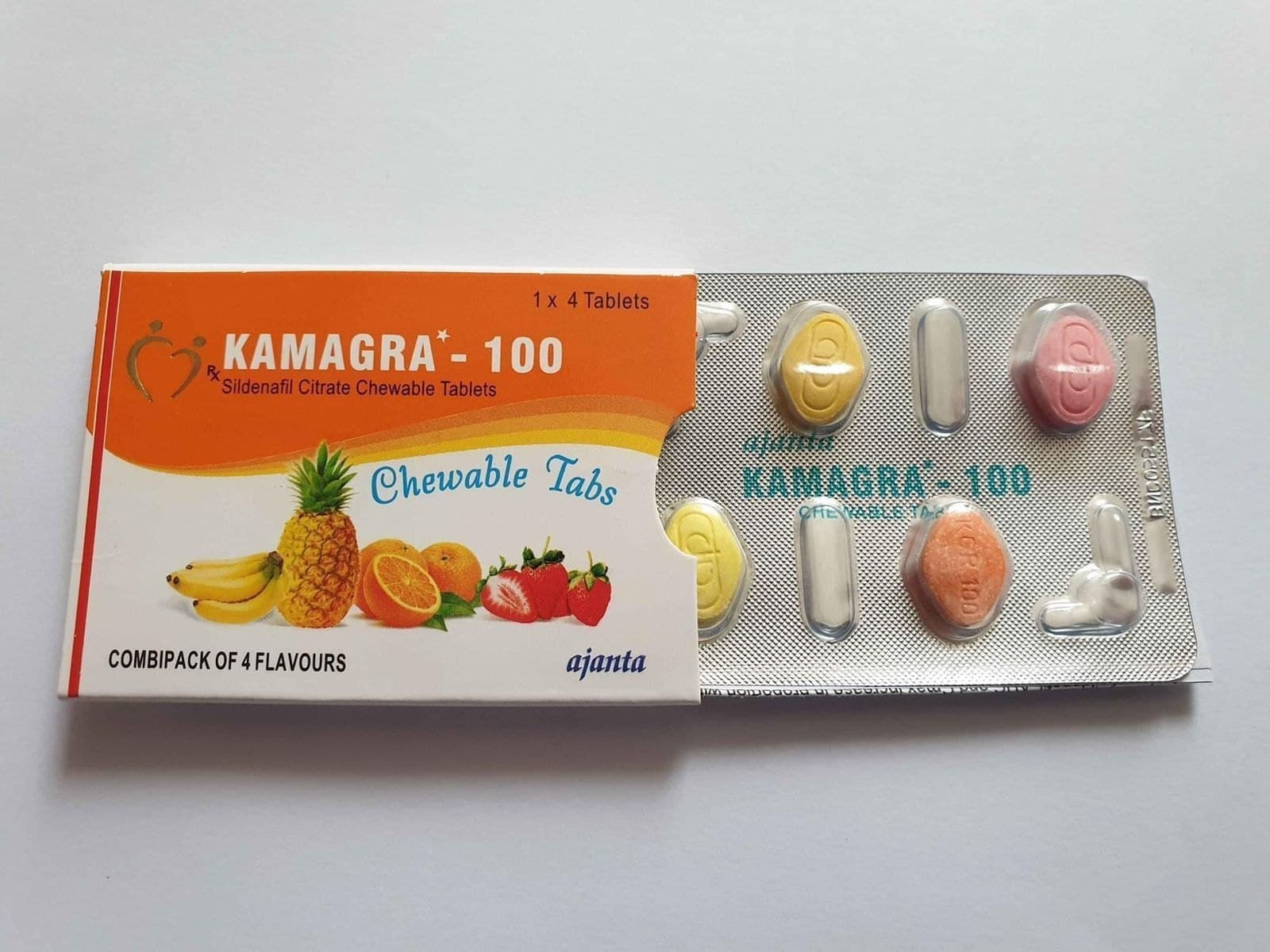
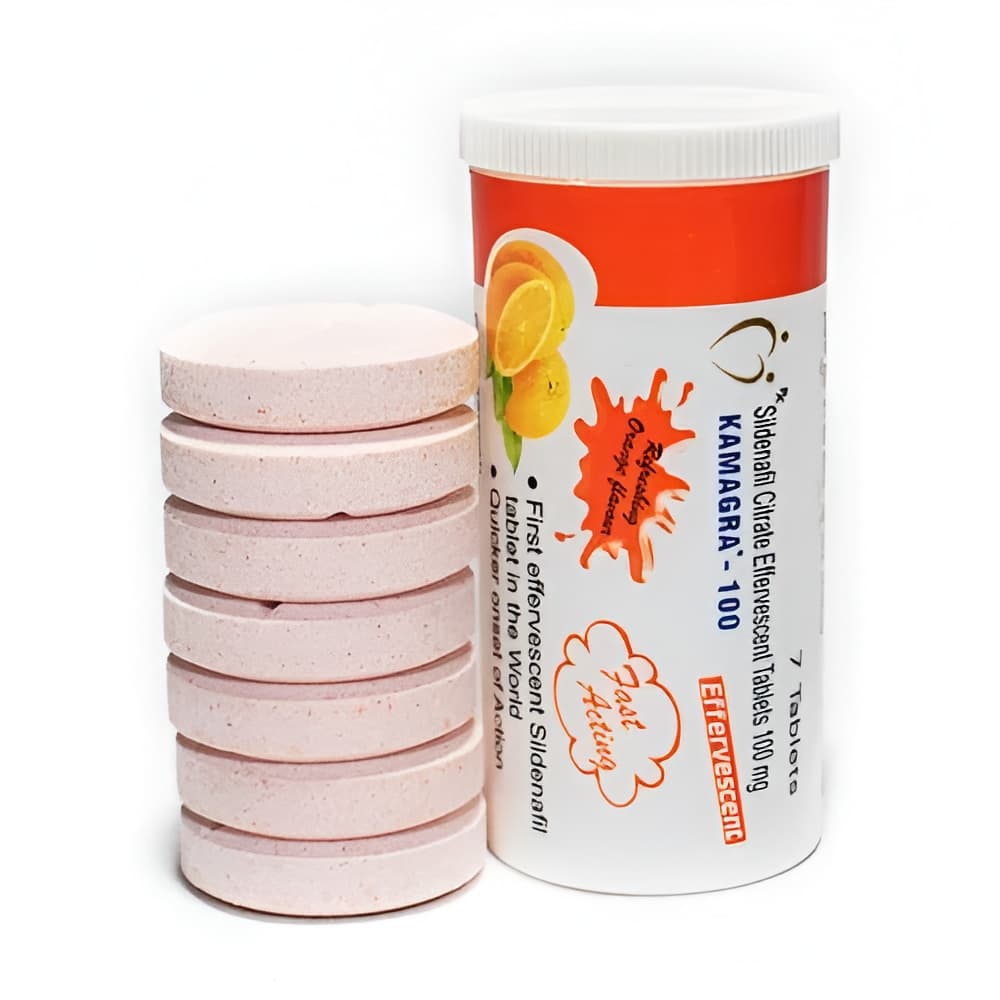
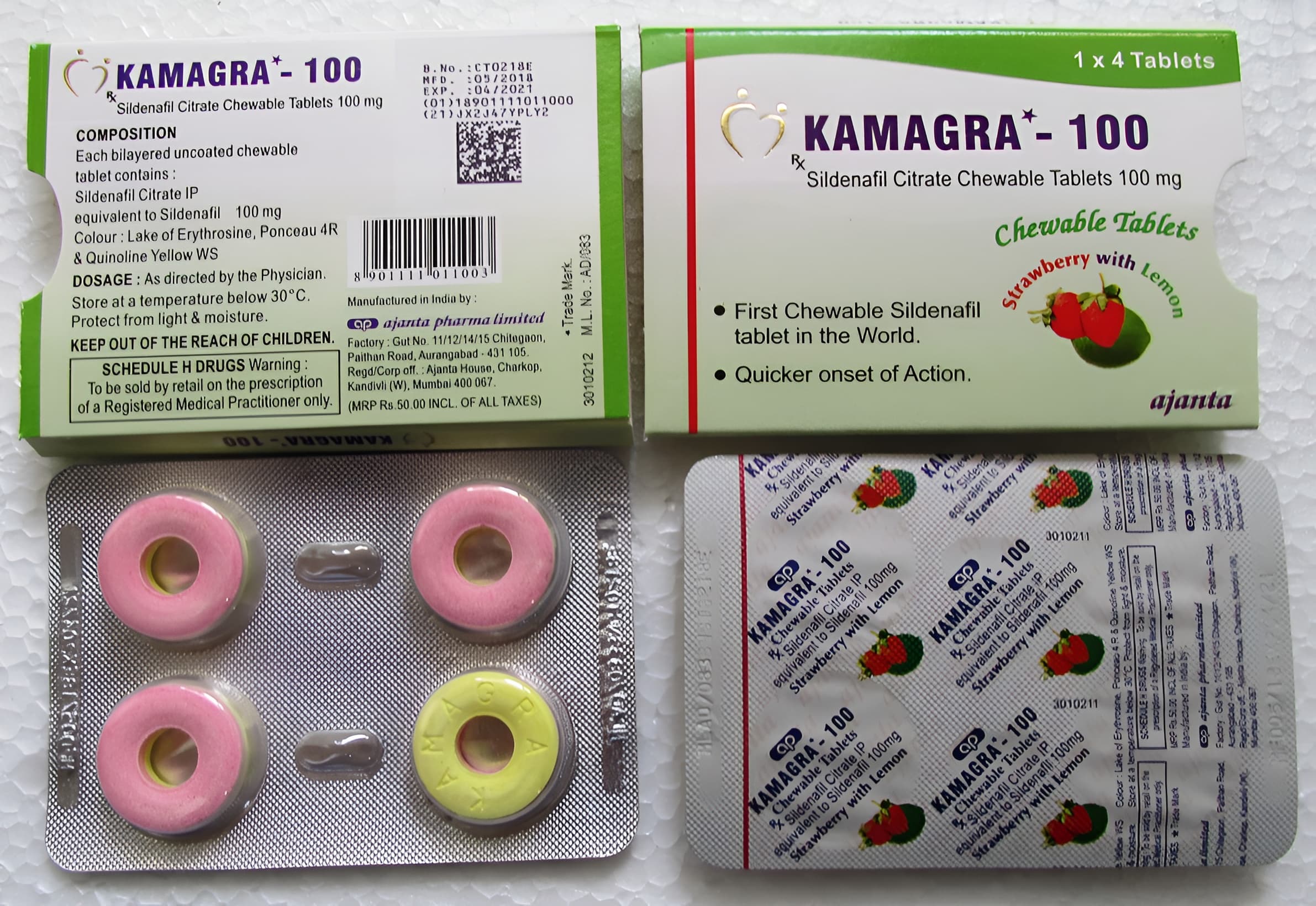
An erection is a blood-flow event controlled by nerves. Sexual arousal sends signals from the brain and spinal cord to the penis, where nerve endings and the lining of the blood vessels release nitric oxide. Nitric oxide raises a messenger molecule called cGMP inside the smooth muscle of the two spongy chambers (the corpora cavernosa), which makes that muscle relax. The arteries widen, blood fills the chambers, and the expanding tissue presses on the veins that would normally drain it, so the blood is held in place. An enzyme called PDE5 breaks cGMP down again, which is how the erection ends. This is why erections depend on healthy blood vessels, intact nerves, normal hormone levels and a mind that is not overwhelmed by stress — a problem with any one of them can cause ED.
ED is one of the most common health conditions in men. The Men in Australia Telephone Survey (MATeS, Holden et al., 2005), the largest national study of Australian men's reproductive health, found erectile difficulties became steadily more common with age. International reviews show the same pattern: ED is uncommon in young men and affects a large share of men over 60. Because it is so widespread, doctors treat it as a routine health issue, and talking to a GP about it is normal.
Most ED has a physical cause, often more than one. Anything that damages blood vessels — high blood pressure, high cholesterol, smoking, diabetes, obesity — can limit blood flow into the penis. Nerve damage from diabetes, prostate or pelvic surgery, spinal injury or multiple sclerosis can interrupt the signals that start an erection. Low testosterone tends to reduce desire more than erection quality itself. Some medicines, including certain antidepressants, blood pressure tablets and prostate treatments, list ED as a side effect — never stop a prescribed medicine without talking to your doctor.
Psychological causes include performance anxiety, stress, depression and relationship difficulty. A useful clue is that men with a mainly psychological cause often still have normal morning or night-time erections. In practice the two overlap: a physical problem can trigger anxiety, and anxiety then makes the physical problem worse.
The arteries in the penis are narrower than the coronary arteries that supply the heart, so the same narrowing (atherosclerosis) often shows up as ED first. Research has found that ED can come before symptoms of heart disease by several years, which is why doctors use it as a prompt to check blood pressure, cholesterol and blood sugar. If you develop ED — especially under 50, or with other risk factors — a heart-health check with your GP is worthwhile in its own right. Read more in our guide to heart health and erectile function.
Diagnosis usually starts with a conversation: how long the problem has lasted, whether it is constant or situational, your general health, current medicines, alcohol and smoking. Many GPs use a short validated questionnaire such as the IIEF-5 (Sexual Health Inventory for Men) to gauge severity. A physical examination and blood tests commonly follow — typically blood sugar, cholesterol and sometimes a morning testosterone level. Specialist tests such as penile Doppler ultrasound are reserved for cases where the cause is unclear or treatment has not helped. A telehealth consultation counts for discussing ED and getting a prescription in Australia.
Treatment is chosen by your doctor based on the cause and your overall health. Options include lifestyle change, treating underlying conditions, counselling or sex therapy for psychological factors, and medicines. The first-line medicines are PDE5 inhibitors — sildenafil (the active ingredient in Viagra and generics such as Kamagra), tadalafil, vardenafil and avanafil — which block the PDE5 enzyme described above so the body's own arousal response works more effectively. They do not cause an erection without arousal. All are Schedule 4 (prescription-only) medicines in Australia and must never be combined with nitrate medicines. Where tablets are unsuitable or ineffective, a specialist may discuss injections, vacuum devices or surgery. Compare the tablets in our sildenafil, tadalafil, vardenafil and avanafil guide.
Because ED can be an early warning sign of heart or circulation problems, it is sensible to see a doctor for an assessment rather than treating it in isolation. A clinician can review your general health and current medicines and recommend the most suitable option. Seek prompt medical advice if ED comes on suddenly, alongside chest pain, or if an erection lasts more than a few hours.
Most men experience an off night now and then, often due to tiredness, stress or alcohol, and this is not usually a cause for concern. ED becomes worth investigating when the difficulty happens regularly over several weeks or months. Persistent problems can sometimes point to an underlying health issue, so it is worth raising with a doctor.
PDE5 inhibitors do not cause an automatic erection; you still need to be sexually aroused for them to work. How quickly they take effect and how long they last varies between medicines, which is one reason to read the leaflet and follow professional advice. They do not increase desire on their own.
PDE5 inhibitors must never be combined with nitrate medicines used for angina or certain heart conditions, as this can cause a serious drop in blood pressure. If you have any heart or circulation condition, tell your doctor before starting treatment. They can confirm whether it is safe for you.
Yes. Stopping smoking, drinking less, staying active and managing stress can all improve erectile function, sometimes significantly. Because good blood flow is central to erections, anything that benefits your heart and circulation tends to help.
A medical assessment is recommended because ED can be an early sign of conditions such as cardiovascular disease or diabetes. A doctor can check your overall health, review your medicines and choose a treatment that suits you. Always read the patient information leaflet before starting anything.
Kamagra is an Indian-made brand of sildenafil, the active ingredient in Viagra. Here is who makes it, the formats it comes in, how it works, and where it stands under Australian law.
Read guideEvery erectile dysfunction tablet sold in Australia is prescription-only. Here is why, how to get a script in person or by telehealth, and what the rules are if you import it yourself.
Read guideSildenafil's onset and duration vary by individual, food intake, and metabolism, so general education, not specific timing promises, is the honest answer.
Read guideWhy an oral jelly comes flavoured at all, what the flavouring actually is, which flavours turn up in the range — and the one thing flavour never changes.
Read guideWhat the sachet, the carton and the printing on them are meant to show — and the specific things that separate a properly packaged product from one worth refusing.
Read guideWhat an expiry date on a medicine actually certifies, how the manufacture and expiry dates on a sachet relate to each other, and why the date after opening is not the printed one.
Read guideKamagra and Viagra both contain sildenafil, so they work the same way. What differs is who registered them in Australia, what that means for quality assurance, and what you pay. The verdict, a side-by-side table, and real prices.
Read guideGold, Polo, Chewable, Effervescent, Super — the brand has spawned a long list of suffixes. What each one refers to, and the two things they all have in common.
Read guideThree everyday things people ask about, and what is actually going on with each — the enzyme grapefruit blocks, what alcohol adds, and why food matters less than people assume.
Read guideTwo separate reasons that often get muddled: the scheduling of the ingredient, and the registration of the product. What each one means and why it matters.
Read guide25, 50, 100, 150, 200 — the number on a Cenforce pack is the labelled strength of the active ingredient and nothing more. Here is what it describes, and who decides which pack is appropriate.
Read guideTwo brands, two different molecules in the same drug class. What actually separates tadalafil from sildenafil, and why the choice between them is a clinical judgement.
Read guideImportant: This information is general and not a substitute for medical advice. Always read the patient information leaflet supplied with your medicine and consult a doctor or pharmacist before starting treatment.
Related guides