
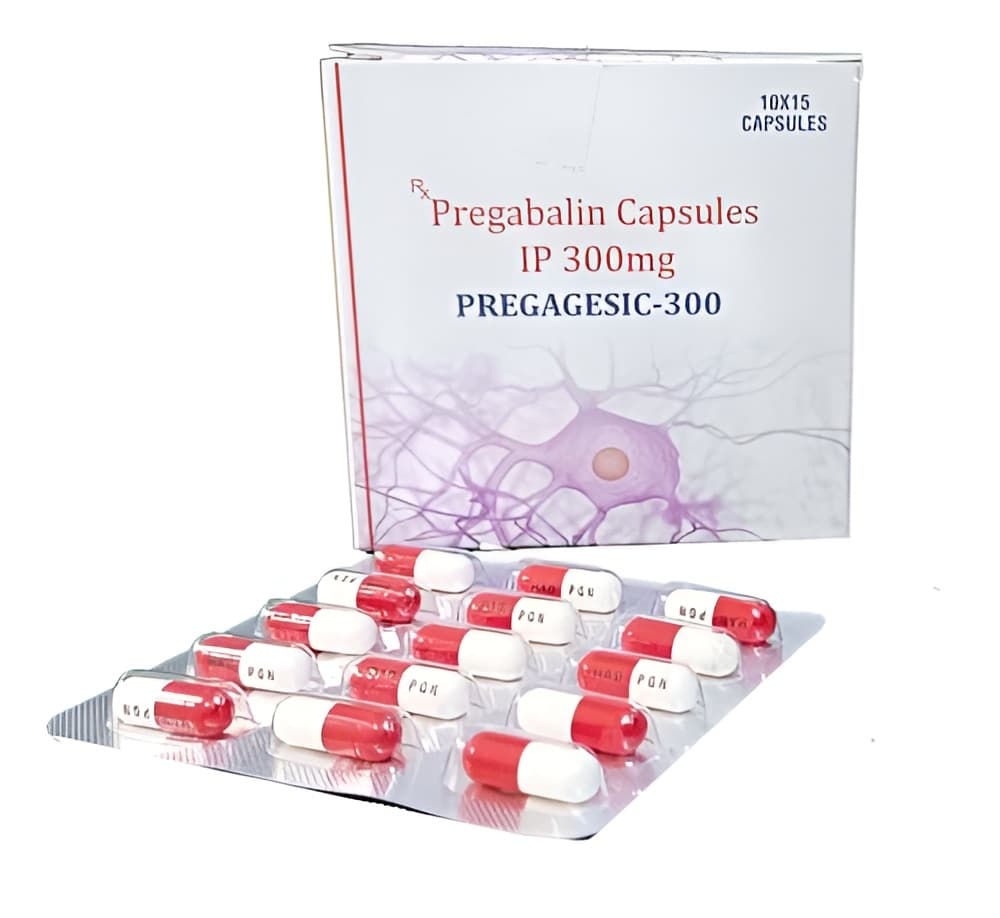
Active ingredient
Pregabalin
Pregabalin is a prescription medicine used to treat neuropathic (nerve) pain, certain types of epilepsy (as an add-on treatment for partial seizures) and generalised anxiety disorder. In many countries it is classified as a controlled drug because of its potential for misuse and dependence. It is available under various brand and generic names and should be used only under medical supervision.
Reviewed by the Kamagra AUS Pharmacy Team on 5 September 2026 · Next review June 2027
Sources for the medical information on this page
- Healthdirect Australia — Pregabalin — Search "pregabalin" for Australian guidance: uses, dosage, side effects, stopping safely.
- Pregabalin — StatPearls, NCBI Bookshelf — Peer-reviewed clinical pharmacology reference.
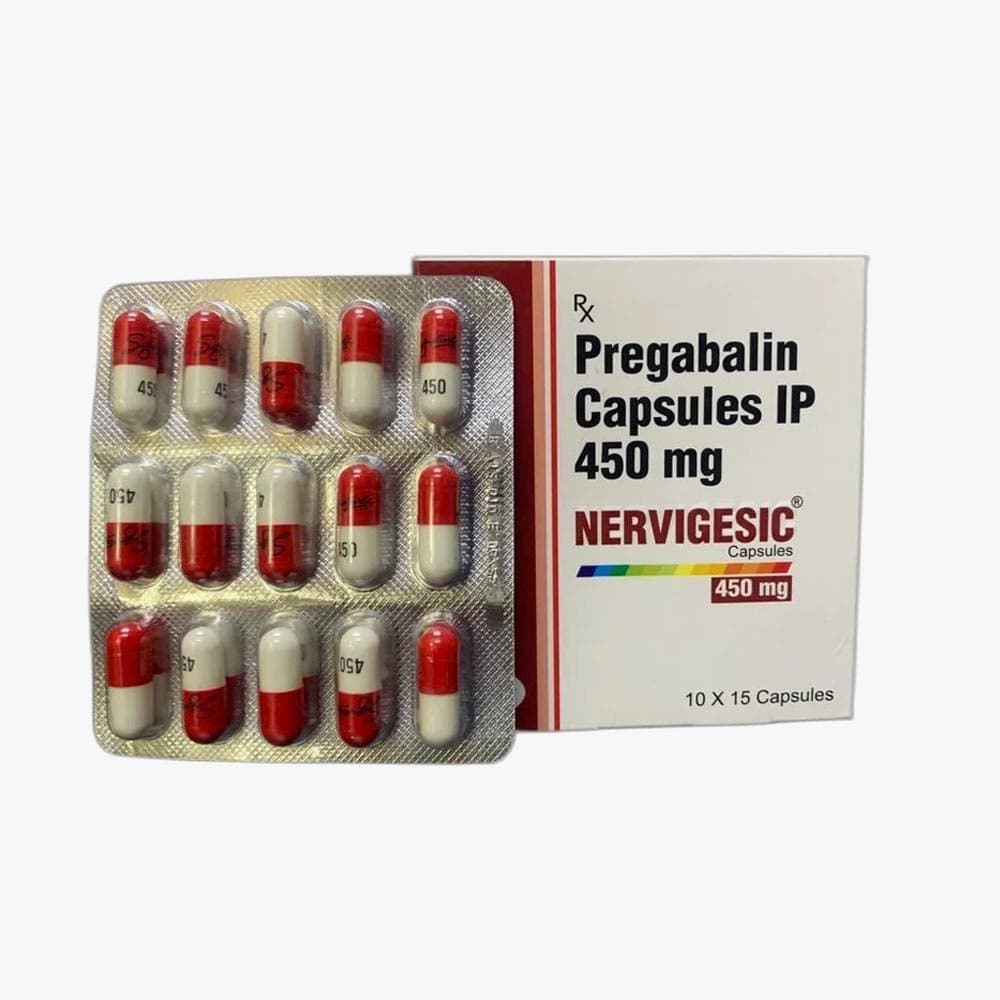
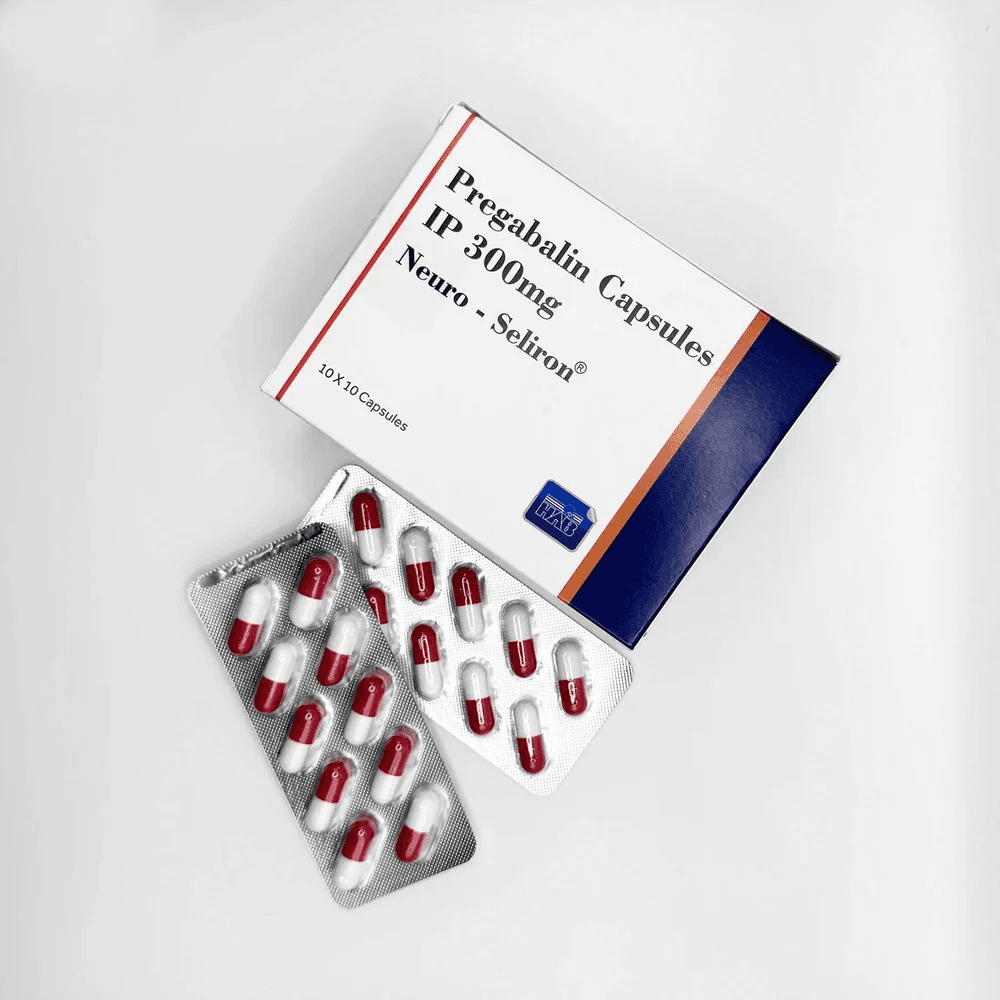
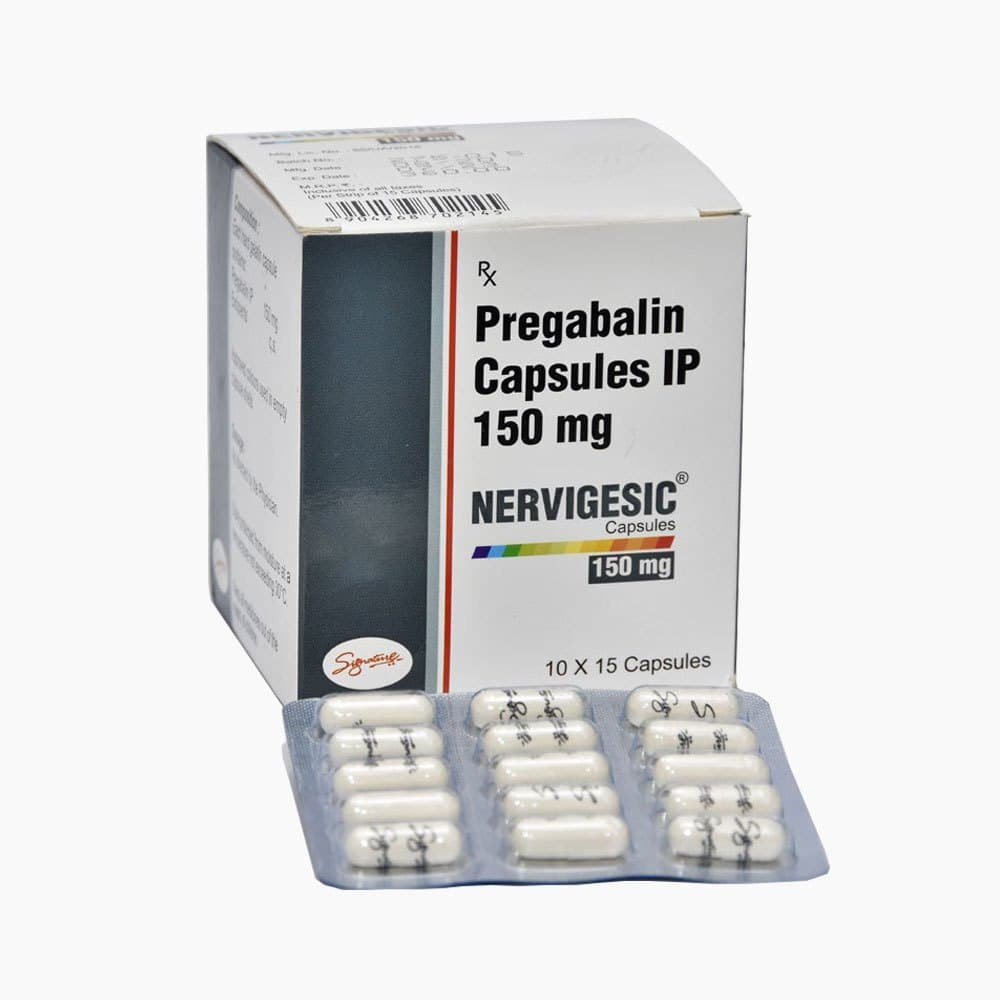
Pregabalin medicines we deliver Australia-wide
Browse the full Pregabalin range6 generic Pregabalin products — same molecule, different brands, formats and pack sizes.
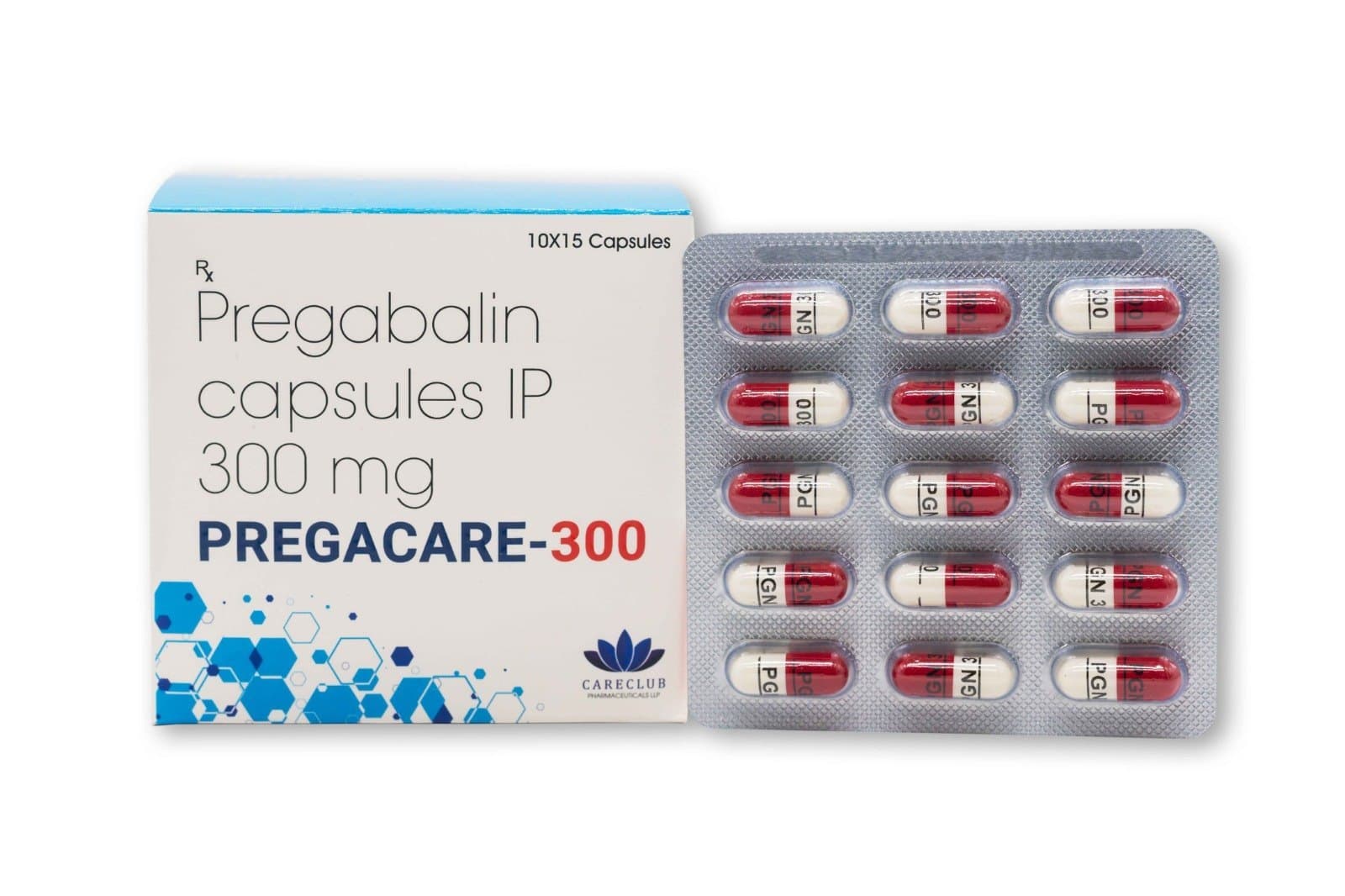
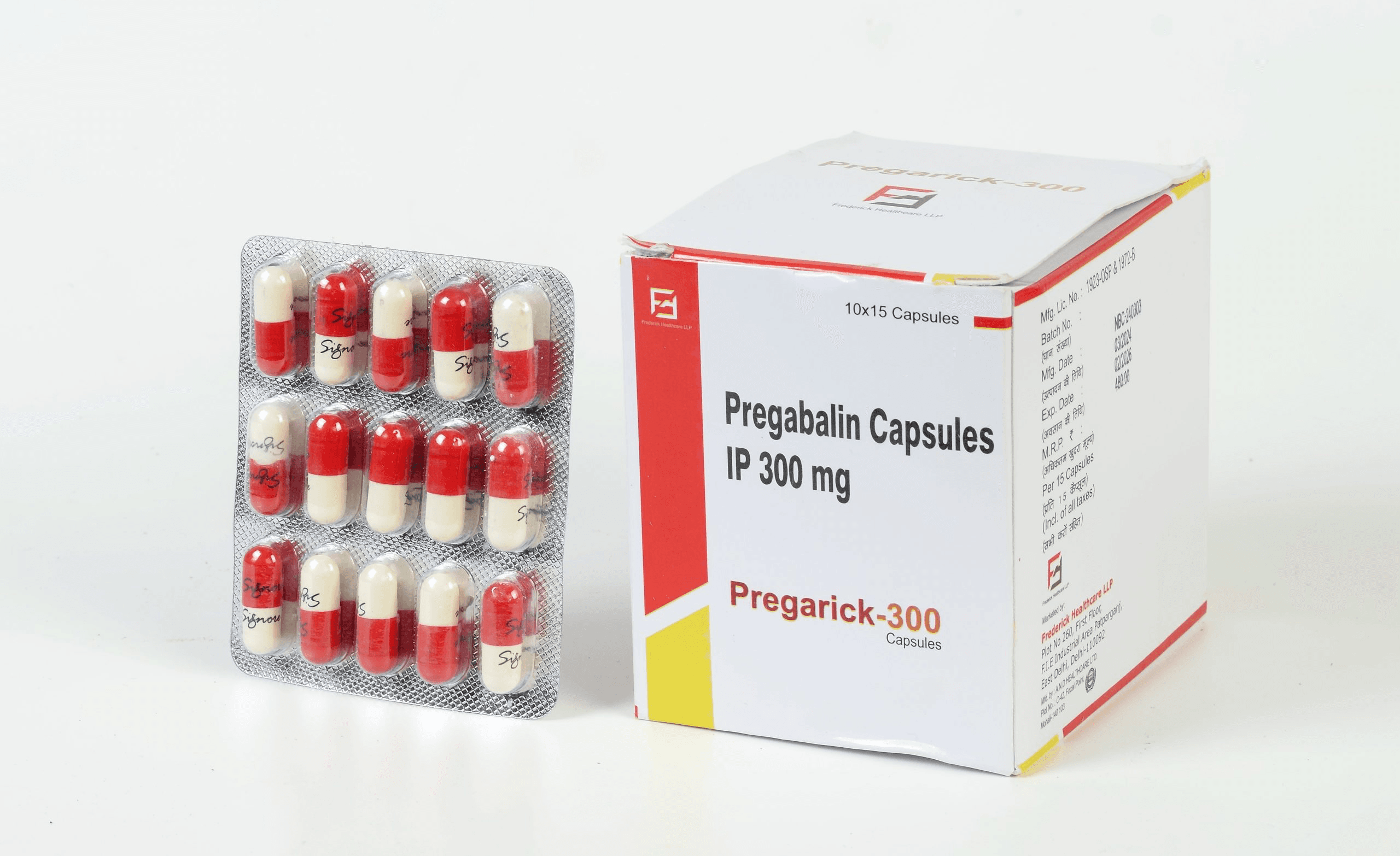
About Pregabalin
How it works
Pregabalin is structurally related to the neurotransmitter GABA but does not act directly on GABA receptors. It binds to a specific subunit (the alpha-2-delta subunit) of voltage-gated calcium channels in the central nervous system. This binding reduces the release of several excitatory neurotransmitters involved in transmitting pain signals, seizure activity and anxiety, which is thought to underlie its effects across these conditions.
How it is taken
Take pregabalin exactly as prescribed and follow the patient information leaflet. It is taken by mouth and the dose is usually increased gradually at the start of treatment so your body can adjust. It can generally be taken with or without food. Do not change your dose or stop taking it on your own — if you wish to stop, your doctor will normally reduce the dose slowly over at least a week, as stopping abruptly can cause withdrawal symptoms.
Side effects
Common (usually mild and temporary):
- Drowsiness and sleepiness
- Dizziness
- Headache
- Dry mouth
- Weight gain or increased appetite
- Blurred vision
Stop and seek medical help if you experience:
- Allergic reactions such as swelling of the face, lips or throat, or difficulty breathing
- Low mood, or new or worsening thoughts of self-harm or suicide
- Signs of dependence or withdrawal symptoms on stopping
- Breathing difficulties, especially when combined with opioids or in people with respiratory problems
- Severe dizziness, fainting or confusion
Safety & who should not take it
- Do NOT stop pregabalin suddenly — the dose should be reduced gradually under medical guidance to avoid withdrawal symptoms.
- It commonly causes drowsiness and dizziness — do not drive or operate machinery until you know how it affects you.
- Pregabalin has a potential for dependence and misuse and is a controlled drug in many countries; take it only as prescribed and never share it.
- Use caution with alcohol, opioids and other sedating medicines, as the combination can cause dangerous drowsiness and breathing problems.
- Tell your doctor about all medicines you take and any history of kidney problems, mood disorders, substance misuse or breathing difficulties.
- Inform your doctor if you are pregnant, planning pregnancy or breastfeeding, as the risks and benefits need careful consideration.
- Seek urgent medical advice if you experience new or worsening low mood, anxiety or thoughts of self-harm.
Storage
Store in the original packaging at room temperature, away from excess heat and moisture, out of the sight and reach of children. Do not use after the expiry date, and return unused medicine to a pharmacy for safe disposal.
Frequently asked questions
Can I stop taking pregabalin suddenly?
+
No. Stopping abruptly can cause withdrawal symptoms such as trouble sleeping, headache, nausea, anxiety and sweating. Your doctor will usually reduce the dose gradually over at least a week.
Is pregabalin a controlled drug?
+
In many countries pregabalin is classified as a controlled medicine because of its potential for misuse and dependence. It should be taken only as prescribed and never shared with others.
Can I drink alcohol or take opioids with pregabalin?
+
Combining pregabalin with alcohol or opioids can cause excessive drowsiness and serious breathing problems. Discuss any such use with your doctor and follow their advice carefully.
How much does pregabalin cost in Australia?
+
Generic pregabalin 150mg starts from $94.75 for a 20-pack, with a lower per-tablet price on larger packs. Delivery is free on orders over $150, otherwise $20 flat.
Important: This information is general and not a substitute for medical advice. Always read the patient information leaflet supplied with your medicine and consult a doctor or pharmacist before use — especially if you have existing health conditions or take other medication.
Pregabalin health guides
Diabetic Nerve Pain and Pregabalin: What's the Connection?
How diabetic nerve pain develops from long-term high blood glucose, why glucose control comes first, and where pregabalin sometimes fits a doctor-led plan.
Read guidePregabalin for Anxiety: Understanding the Off-Label Picture
An honest look at pregabalin's off-label use for anxiety in Australia, and why trying it is always a decision for your doctor, never a general anxiety fix.
Read guidePregabalin and Alcohol: What You Need to Know
Why combining pregabalin with alcohol can amplify drowsiness and impair coordination well beyond what either substance causes alone, and what to ask your doctor.
Read guideHow Does Pregabalin Work? The Mechanism Explained Simply
A plain-English explanation of how pregabalin actually works on the nervous system to ease nerve pain, and why its effects tend to build up gradually over time.
Read guideWhat Is Pregabalin Used For? A Plain-English Overview
A clear, plain-English overview of what pregabalin treats in Australia, from nerve pain and fibromyalgia to its role alongside other epilepsy medicines.
Read guideChronic vs Acute Pain: What's the Real Difference?
Acute and chronic pain aren't just about how long pain lasts — they're genuinely different processes in the body, and that difference shapes how each is treated.
Read guideWhat Is Neuropathy? Causes, Symptoms and How It's Treated
Neuropathy is nerve damage that can arise from many different causes, not just diabetes. Here's what it actually is, how it typically presents, and how it's managed.
Read guideNerve Pain vs Muscle Pain: How to Tell Them Apart
Nerve pain and muscle pain can both show up in an arm, leg or back, but they come from different sources and often respond to different treatments. Here's how to tell them apart.
Read guideTravelling Within Australia With Prescription Medicine: Pregabalin, Zopiclone and Carisoprodol Rules
Interstate flights, FIFO rosters and long road trips all raise the same question: how do you travel with prescription-only medicine like pregabalin, zopiclone or carisoprodol without a hassle at the gate? Here's what's worth knowing before you pack.
Read guideDriving on Pregabalin or Zopiclone: What Australian Road Rules Actually Say
What Australian drivers need to understand about the legal and safety side of getting behind the wheel while taking pregabalin or zopiclone.
Read guidePregabalin Side Effects: What to Watch For
A safety-focused look at pregabalin side effects, from dizziness and drowsiness to weight and mood changes, and when to contact your doctor promptly.
Read guideThe Nervigesic Range: How 150mg, 300mg and 450mg Differ
How the Nervigesic 150mg, 300mg and 450mg strengths differ from each other, and why doctors typically titrate pregabalin treatment gradually over time.
Read guide