

Sleep Aids & Wakefulness In stock
Zopisign 10mg — Zopiclone Tablets
Zopiclone 24h dispatch
From
View$76.78
4 packsShop by category
Zopiclone treats insomnia and Modafinil supports shift-work or narcolepsy wakefulness — two distinct generic medicines grouped here for convenience.
Two distinct families in one category. Zopiclone is a short-term treatment for insomnia. Modafinil and armodafinil are wakefulness-promoting medicines used for excessive daytime sleepiness in narcolepsy, shift-work sleep disorder and obstructive sleep apnoea. They are not alternatives to one another and they are not interchangeable. Both are Prescription Only Medicines in Australia, both carry specific precautions, and neither is a substitute for addressing the underlying reason sleep is not working. Read the patient information leaflet and speak to a doctor or pharmacist.
Zopiclone 24h dispatch

Zopiclone 24h dispatch
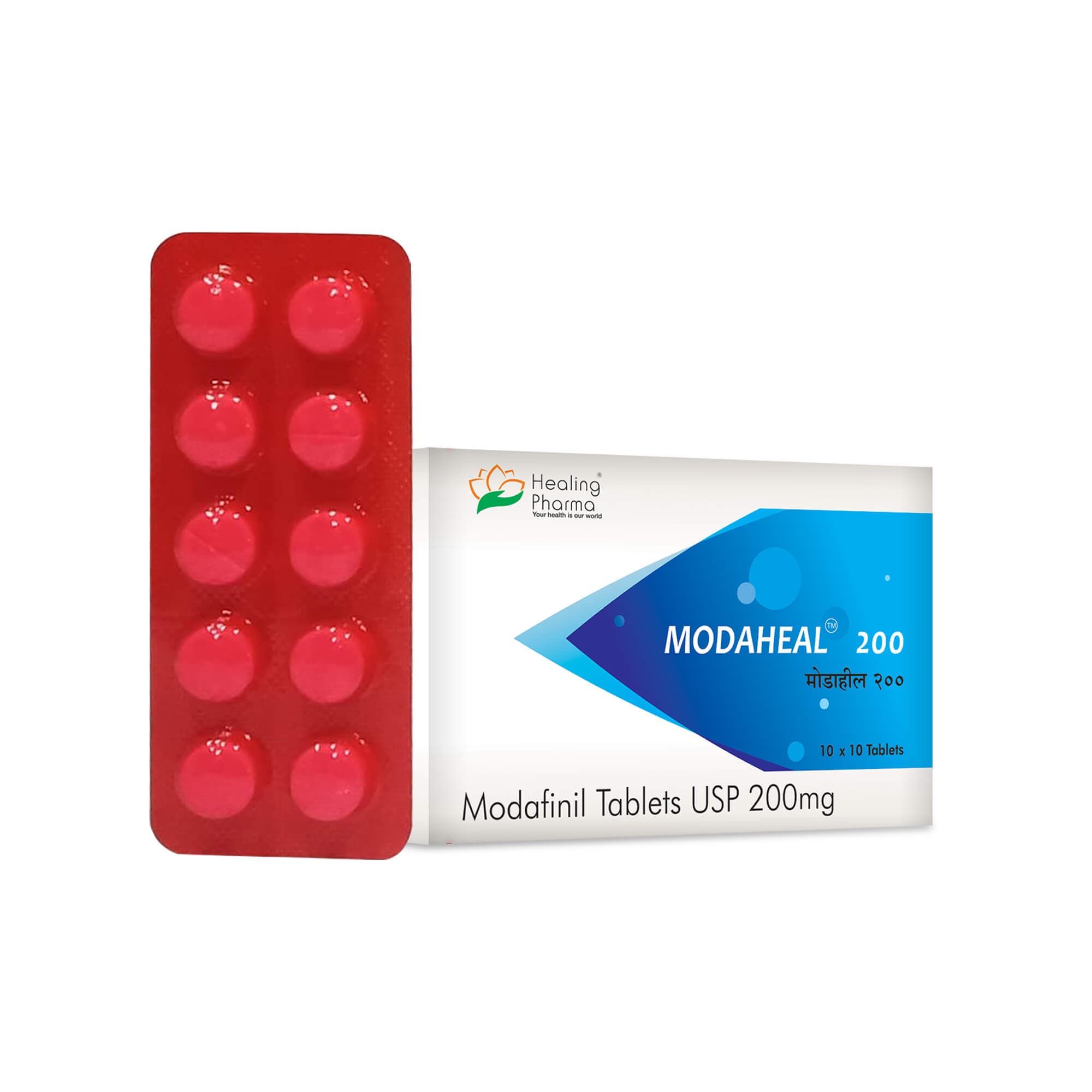
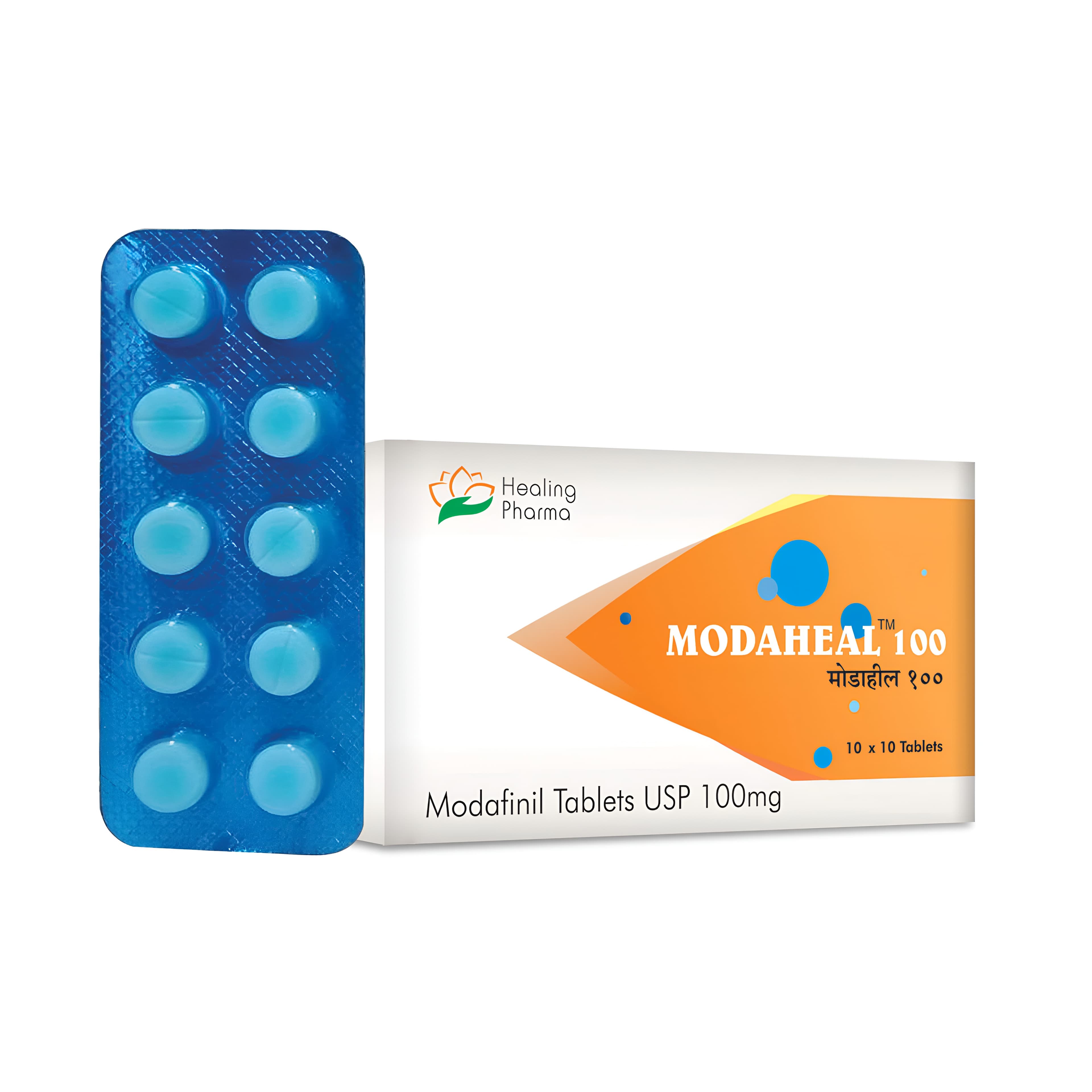
Reviewed by the Kamagra AUS Pharmacy Team on 5 September 2026 · Next review June 2027
Key facts
Sleep problems come in two broad shapes, and this category holds a medicine family for each. The first is difficulty sleeping at night — trouble falling asleep, staying asleep, or waking too early and not getting back off. The second is difficulty staying awake during the day, which is a different problem with different causes and is often a symptom of something specific such as narcolepsy, untreated sleep apnoea or a shift roster that fights the body clock. Treating one with the medicine meant for the other makes things worse, which is why the distinction is the first thing this page sets out.
Zopiclone belongs to the group informally called Z-drugs. It acts on the same receptor system as benzodiazepines and produces sedation, which is what makes it useful for short-term insomnia. It is also why it is a short-term medicine: tolerance can build, dependence can develop, and next-day impairment is common enough that it affects driving and work safety. Australian consumer guidance is consistent that sleeping tablets are a short-term aid, not a solution, and that the first-line treatment for ongoing insomnia is a structured non-drug approach — cognitive behavioural therapy for insomnia, usually shortened to CBT-i, along with practical sleep habits. Healthdirect Australia carries material on this, and it is genuinely worth reading before starting any sleeping tablet.
Modafinil and armodafinil sit at the opposite end. They promote wakefulness, and their approved uses in Australia relate to excessive daytime sleepiness associated with narcolepsy, obstructive sleep apnoea and shift-work sleep disorder. Two things about them are widely misunderstood. First, they do not remove the body's need for sleep — they reduce the sensation of sleepiness, which is not the same thing, and sleep debt keeps accumulating underneath. Second, in obstructive sleep apnoea they are used alongside treatment of the apnoea itself, such as CPAP, not instead of it. Using a wakefulness agent to paper over untreated apnoea leaves the cardiovascular risk of the apnoea entirely unaddressed.
Both families are prescription-controlled in Australia for good reasons. Zopiclone carries dependence potential and next-day impairment; modafinil carries a set of interactions that catch people out, most notably a reduction in the reliability of hormonal contraception that persists for a period after stopping, and it has recognised risks in pregnancy. Modafinil is also widely misused as an off-label study or productivity aid, which is not an approved use, is not supported by an assessment of whether it is safe for the individual, and carries real cardiovascular and psychiatric precautions.
There is also the question of what is actually causing the problem. Insomnia is frequently secondary to something else — anxiety, depression, pain, alcohol, caffeine, an untreated breathing disorder, shift work, or simply a bedroom and routine working against sleep. Daytime sleepiness is very often untreated sleep apnoea, which is common in Australia and underdiagnosed. In both directions, a medicine that treats the symptom without anyone looking for the cause is a poor deal. A sleep study, an honest look at alcohol and caffeine, and a review of other medicines are frequently more useful than a prescription.
The products on this page differ by molecule, by brand and by labelled strength. Strength is a prescriber's decision and nothing here should be read as guidance on it. What this page can do is make the distinction between the two families clear, set out the safety issues for each, and give you the vocabulary — Z-drug, CBT-i, sleep apnoea, sleep hygiene — to have a better conversation with a doctor.
These medicines do opposite things. The comparison below is about which problem each family addresses, not about which is better — they are not substitutes and should never be used to counteract one another. Labelled strength is a prescriber's decision and is deliberately not compared.
| Option | Active ingredient | Formats | Use profile | Notes |
|---|---|---|---|---|
| Zopiclone (Zopisign) | Zopiclone | Tablets, two labelled strengths | Short-term only; sedating, taken at night | A Z-drug for short-term insomnia. Tolerance and dependence can develop, and next-day impairment is common. Australian guidance puts CBT-i and sleep habits ahead of medication for ongoing insomnia. |
| Modafinil | Modafinil | Tablets, several labelled strengths | Wakefulness-promoting; used in the daytime, often continuing | Approved for excessive daytime sleepiness in narcolepsy, obstructive sleep apnoea and shift-work sleep disorder. Reduces the reliability of hormonal contraception. Not approved as a study or productivity aid. |
| Armodafinil | Armodafinil | Tablets | Wakefulness-promoting; used in the daytime, often continuing | Closely related to modafinil and used in the same situations. Carries the same contraceptive interaction and the same cardiovascular and psychiatric precautions. |
| Non-drug approaches (for context) | CBT-i, sleep habits, CPAP for sleep apnoea, roster and light management | Programmes, devices and behavioural strategies | First-line for ongoing insomnia and for sleep apnoea | Australian consumer guidance treats structured non-drug approaches as the first-line treatment for ongoing insomnia, and treatment of the apnoea itself as the answer to apnoea-related sleepiness. Ask about these before, not after, a medicine. |
Swipe the table sideways to see every column.
Use profiles describe the general shape of treatment, not a schedule or an amount. Never use a sedating medicine and a wakefulness agent to offset one another — that pattern is a warning sign, not a strategy, and it warrants a conversation with a doctor.
1Work out which problem you actually have
Trouble sleeping at night and trouble staying awake in the day are different conditions with different treatments. If you have both, that combination itself is informative — it often points to sleep apnoea, shift work or a mood disorder — and it needs assessing rather than medicating from both ends.
2Look for the cause before the tablet
Insomnia is often secondary to anxiety, low mood, pain, alcohol, caffeine, screens or an untreated breathing disorder. Daytime sleepiness is very often untreated sleep apnoea, which is common in Australia and frequently undiagnosed. A sleep study or a proper review may be more use than a prescription.
3Ask about the non-drug options first
For ongoing insomnia, Australian guidance puts cognitive behavioural therapy for insomnia ahead of sleeping tablets. For apnoea-related sleepiness, treating the apnoea comes first. Neither is a consolation prize — they are the recommended starting point, and a good prescriber will raise them.
4Plan the endpoint at the start
If a short course of a sleeping tablet is agreed, agree at the same time how long it runs, what happens afterwards, and how it will be reduced. Zopiclone is a short-term medicine, and the plan for stopping is part of the prescription, not an afterthought.
Choose by the problem, never by preference. Zopiclone addresses difficulty sleeping at night and is intended for short-term use only. Modafinil and armodafinil address excessive daytime sleepiness in specific diagnosed conditions. They are not interchangeable, they should never be used to counteract each other, and neither replaces treating the underlying cause. Within each family the differences are brand and labelled strength, and labelled strength is your prescriber's decision.
Confirm the prescription position
Zopiclone, modafinil and armodafinil are all Prescription Only Medicines in Australia and are subject to prescribing controls because of dependence and misuse potential. A source that presents itself as a way around an assessment is telling you something about how it operates.
Verify the molecule, not the brand
Zopisign is zopiclone; modafinil and armodafinil are sold under many names internationally. Check the active ingredient and labelled strength printed on the pack against your prescription. Brand names change across markets; the active ingredient does not.
Understand ARTG status
The Australian Register of Therapeutic Goods lists products the TGA has assessed for supply here. Generics made for other markets may be produced to Good Manufacturing Practice standards without ARTG registration. Know which you are ordering, and mention it to your pharmacist.
Inspect the packaging carefully
Intact manufacturer packaging, unbroken blister foil, a legible batch number and expiry, uniform tablets, and an included patient information leaflet. Sedatives and stimulant-like medicines are heavily counterfeited, so anything loose, unlabelled, misspelt or short-dated should not be used.
Assess the seller
A verifiable business address, a working contact route, Australian dollar pricing, a stated dispatch and delivery window, a published returns and complaints process, and a clear privacy policy. Medicines with dependence potential are the wrong category in which to accept an anonymous supplier.
Order to a course, not a stockpile
Holding large quantities of a sedative at home is a risk in itself — for tolerance, for accidental access by others, and for expiry. Order what the prescribed course requires and return anything unused to a pharmacy for disposal.
Zopiclone is a sedating medicine for short-term insomnia — it is about sleeping at night. Modafinil and armodafinil promote wakefulness and are used for excessive daytime sleepiness in narcolepsy, shift-work sleep disorder and obstructive sleep apnoea. They do opposite things, they are not interchangeable, and they should never be used to counteract each other.
Tolerance and dependence are recognised with Z-drugs, which is why zopiclone is prescribed for short periods only and reduced gradually rather than stopped abruptly after a sustained course. Dependence can develop without any intent to misuse the medicine. Discuss the plan for stopping when you start, not later.
Next-day impairment is common with zopiclone, and it can be present even when you feel reasonably alert. Do not drive, ride or operate machinery until you are certain you are unaffected. Australian road rules place responsibility for that judgement on the driver, and impairment from a prescribed medicine is not a defence.
Cognitive behavioural therapy for insomnia is a structured, non-drug programme that addresses the habits and thought patterns that maintain insomnia. Australian consumer guidance treats it as the first-line treatment for ongoing insomnia because the benefit persists after the programme ends, which is not the case with a sleeping tablet.
No, and this is the most consequential misunderstanding about it. It reduces the sensation of sleepiness; it does not remove the body's need for sleep, and sleep debt keeps accumulating underneath. It also does not treat whatever is causing the sleepiness in the first place.
That is not an approved use. Its approved uses relate to diagnosed conditions causing excessive daytime sleepiness. Using it otherwise means taking on a prescription medicine's cardiovascular, psychiatric and interaction risks without the assessment that would make that reasonable, and it is a Prescription Only Medicine in Australia regardless of the reason.
Yes, and it is the interaction people most often miss. Modafinil and armodafinil reduce the reliability of hormonal contraception, including the pill, patch, ring, implant and hormonal IUD, and the effect persists for a period after stopping. An additional or alternative method is needed. Ask your prescriber or pharmacist how long that applies for.
Only alongside treatment of the apnoea itself, not instead of it. Using a wakefulness agent on top of untreated apnoea leaves the airway obstruction and its cardiovascular consequences entirely unaddressed. Treating the apnoea is the priority, and a sleep specialist should be guiding that.
Sleepwalking, sleep-driving, eating, or making calls or messages while not fully awake, with no memory afterwards. They have been reported with Z-drugs including zopiclone, sometimes on first use. If anything like this happens, stop the medicine and contact your prescriber straight away.
Yes. Zopiclone, modafinil and armodafinil are Prescription Only Medicines in Australia, with prescribing controls that reflect their dependence and misuse potential. Australian jurisdictions also operate real-time prescription monitoring for medicines of concern. An assessment by a registered prescriber is the appropriate first step.
Using one to offset the other is a pattern that should prompt a conversation with a doctor rather than a purchase. It usually signals an underlying problem — untreated apnoea, a difficult roster, a mood disorder — that neither medicine addresses. They are prescribed for different conditions and should only ever be used as a prescriber directs.
Dispatched within one business day of payment clearing, arriving in 2–4 business days Australia-wide, free over $150, in plain unbranded packaging. No cold chain is needed. Store tablets below 25°C in the original blister, away from heat and humidity, and keep sedating medicines securely out of sight rather than on a bedside table.
For independent, Australian information about the medicines in this range, we point customers to the following bodies. Search for the medicine by name on their sites rather than relying on overseas material.
Important: This is general information, not medical advice, and it is not a recommendation to use any particular medicine. Always read the patient information leaflet and consult a doctor or pharmacist before use.
Health guides
24 pharmacist-written guides — newest research first.