
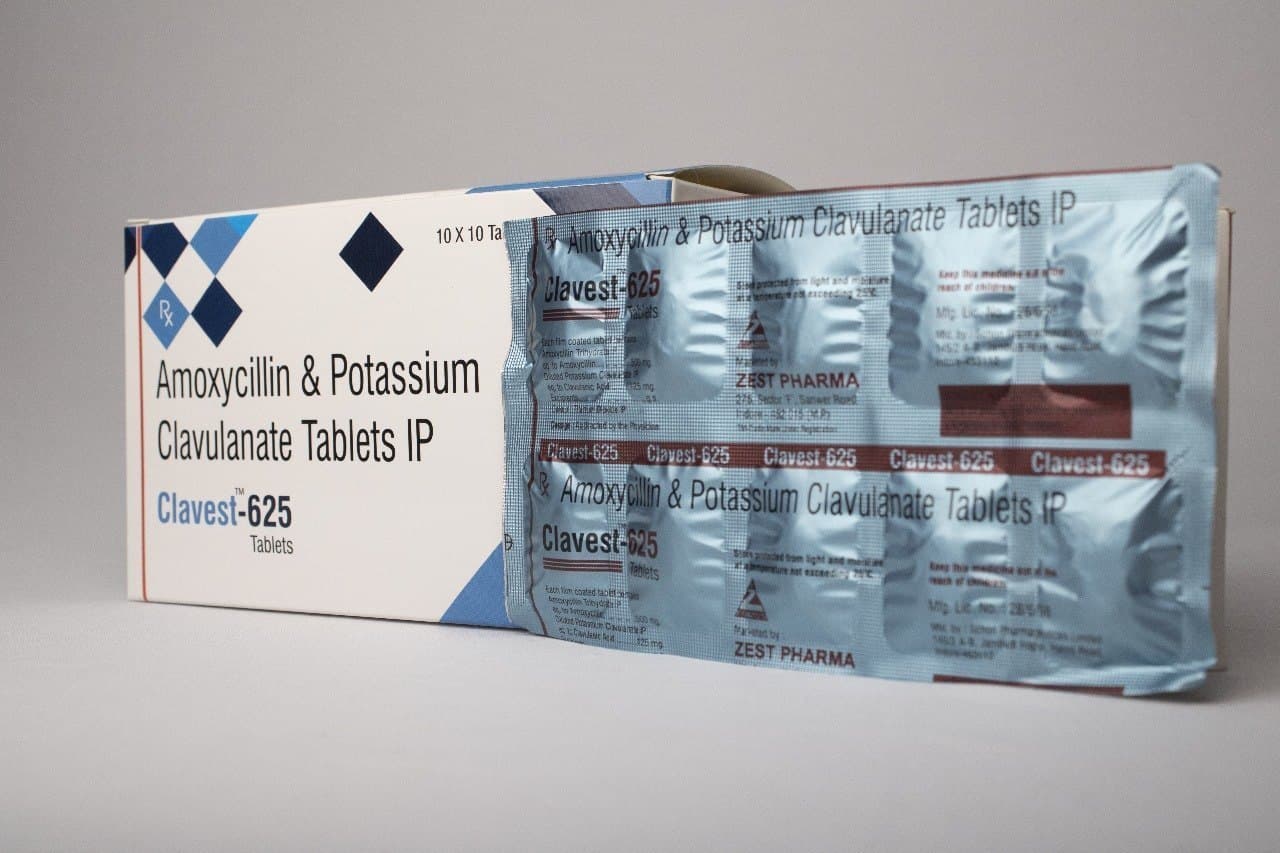
Active ingredient
Amoxicillin
Amoxicillin is a broad-spectrum antibiotic belonging to the penicillin family (an aminopenicillin). It is prescribed by doctors to treat a range of bacterial infections, including certain chest and respiratory tract infections, ear, nose and throat infections, urinary tract infections, and some skin and dental infections. It works only against bacteria and has no effect on infections caused by viruses, such as colds and most cases of flu.
Reviewed by the Kamagra AUS Pharmacy Team on 5 September 2026 · Next review June 2027
Sources for the medical information on this page
- Healthdirect Australia — Amoxicillin — Search "amoxicillin" for Australian guidance: dosing intervals, alcohol, allergy.
- Australian Commission on Safety and Quality in Health Care — antimicrobial stewardship — Course completion and antibiotic-resistance basics.
Amoxicillin medicines we deliver Australia-wide
Browse the full Antibiotics range4 generic Amoxicillin products — same molecule, different brands, formats and pack sizes.
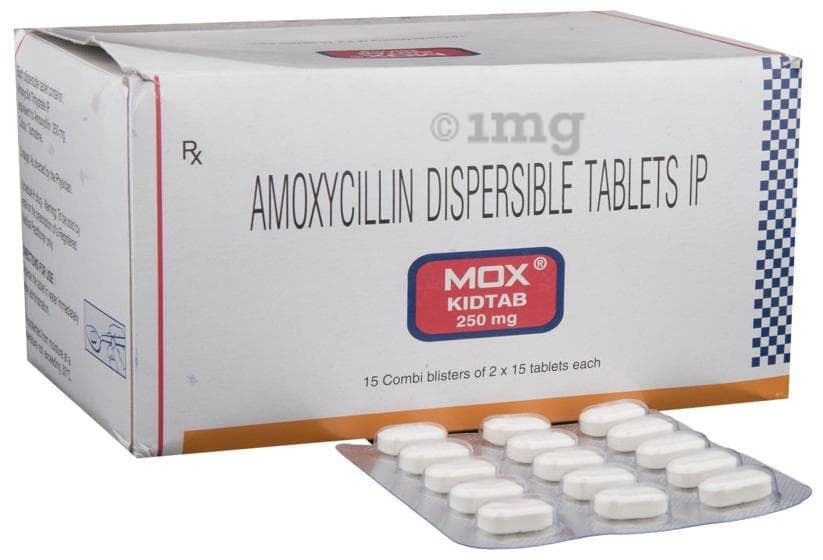
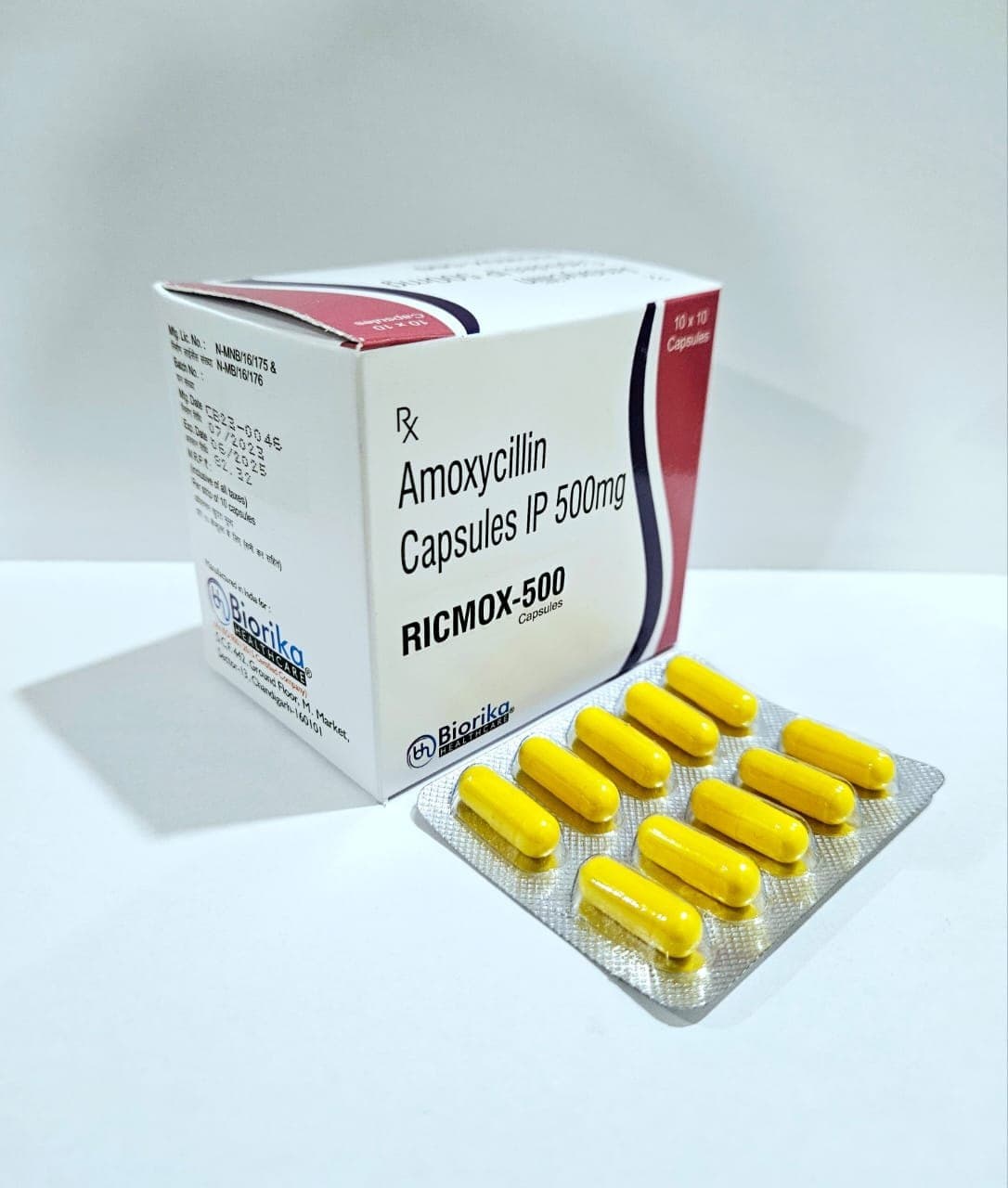
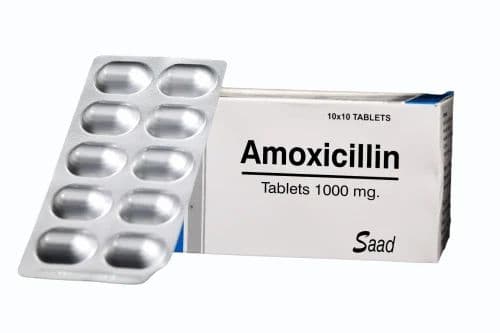
About Amoxicillin
How it works
Amoxicillin interferes with the ability of bacteria to build and maintain their cell walls. By binding to specific proteins involved in cell-wall construction, it weakens the wall so that the bacterium cannot survive and multiply, leading to its death. Because human cells do not have this type of cell wall, the medicine targets bacteria selectively. It is bactericidal, meaning it kills susceptible bacteria rather than simply stopping their growth.
How it is taken
Always take amoxicillin exactly as prescribed and as described in the patient information leaflet. It is available as capsules, tablets and an oral liquid, and can usually be taken with or without food. Space the doses evenly through the day as directed. It is very important to complete the entire course, even if you feel better before it is finished, because stopping early can allow the infection to return and contributes to antibiotic resistance.
Side effects
Common (usually mild and temporary):
- Nausea or feeling sick
- Diarrhoea
- Stomach upset or indigestion
- Skin rash
- Headache
- Thrush (fungal infection) after prolonged use
Stop and seek medical help if you experience:
- Signs of a severe allergic reaction (anaphylaxis) such as swelling of the face, lips, tongue or throat, difficulty breathing, or collapse — seek emergency care immediately
- Severe or blistering skin reactions, peeling skin, or sores in the mouth, eyes or genitals — stop and seek urgent attention
- Severe, watery or bloody diarrhoea during or after treatment, which may indicate a serious bowel infection
- Yellowing of the skin or eyes (jaundice) or signs of liver problems
- Unexplained bruising or bleeding, or persistent high fever and sore throat
Safety & who should not take it
- Tell your doctor if you have ever had an allergic reaction to penicillins or other antibiotics, as a penicillin allergy can be serious.
- Inform your doctor of any kidney problems, glandular fever, or other long-term conditions before starting.
- Tell your doctor or pharmacist about all other medicines, including the contraceptive pill, allopurinol and anticoagulants.
- If you are pregnant, planning a pregnancy or breastfeeding, discuss this with your doctor before taking it.
- Only use amoxicillin for the infection it was prescribed for; never share it or save leftovers for future illnesses.
- Overuse and misuse of antibiotics drive antibiotic resistance, so it should be used only when a doctor judges it appropriate.
- Return any unused or expired medicine to a pharmacy for safe disposal.
Storage
Store in the original packaging below 25°C, away from heat, light and moisture, out of the sight and reach of children. Oral liquid is usually kept only a short time after mixing and may need refrigeration — follow the label. Do not use after the expiry date.
Frequently asked questions
Can I drink alcohol while taking amoxicillin?
+
Alcohol does not usually stop amoxicillin from working, but it is sensible to limit alcohol while you are unwell so your body can recover. If you have concerns, ask your doctor or pharmacist.
Why must I finish the whole course?
+
Completing the full course helps ensure the infection is fully cleared and reduces the chance of bacteria surviving and becoming resistant. Stopping early because you feel better can allow the infection to return.
Will amoxicillin work for a cold or flu?
+
No. Colds and most cases of flu are caused by viruses, and antibiotics only work against bacteria. Taking it for a viral illness will not help and contributes to antibiotic resistance.
How much does amoxicillin cost in Australia?
+
Amoxicillin 250mg starts from $66.98 for a 20-pack and Amoxicillin 500mg starts from $70.24 for a 20-pack, with a lower per-tablet price on larger packs. Delivery is free on orders over $150, otherwise $20 flat.
More questions answered: Antibiotics & amoxicillin (4 answers)
Important: This information is general and not a substitute for medical advice. Always read the patient information leaflet supplied with your medicine and consult a doctor or pharmacist before use — especially if you have existing health conditions or take other medication.
Amoxicillin health guides
Do You Really Need to Finish Your Antibiotics Course? What the Advice Is Based On
"Always finish the course" is one of the most repeated pieces of medical advice — and also one of the most debated among researchers in recent years. Here's the current, honest picture.
Read guideAmoxicillin and Alcohol
A look at whether it's safe to drink alcohol while taking amoxicillin, and why caution is still sensible even without a direct chemical interaction.
Read guideAmoxicillin for Dental Infections
How amoxicillin is used alongside dental treatment for tooth and gum infections, and why finishing the full antibiotic course still matters.
Read guideAmoxicillin Dosage Strengths Explained
An overview of why amoxicillin comes in 250mg, 500mg, 650mg and 1000mg strengths, and how your doctor decides which one suits your infection.
Read guideAmoxicillin: What It Treats and How It Works
A plain-English guide to amoxicillin, the penicillin-class antibiotic used across Australia for ear, chest, urinary and skin infections, and how it works.
Read guide