
Shop by category
Buy Antibiotics Online Australia
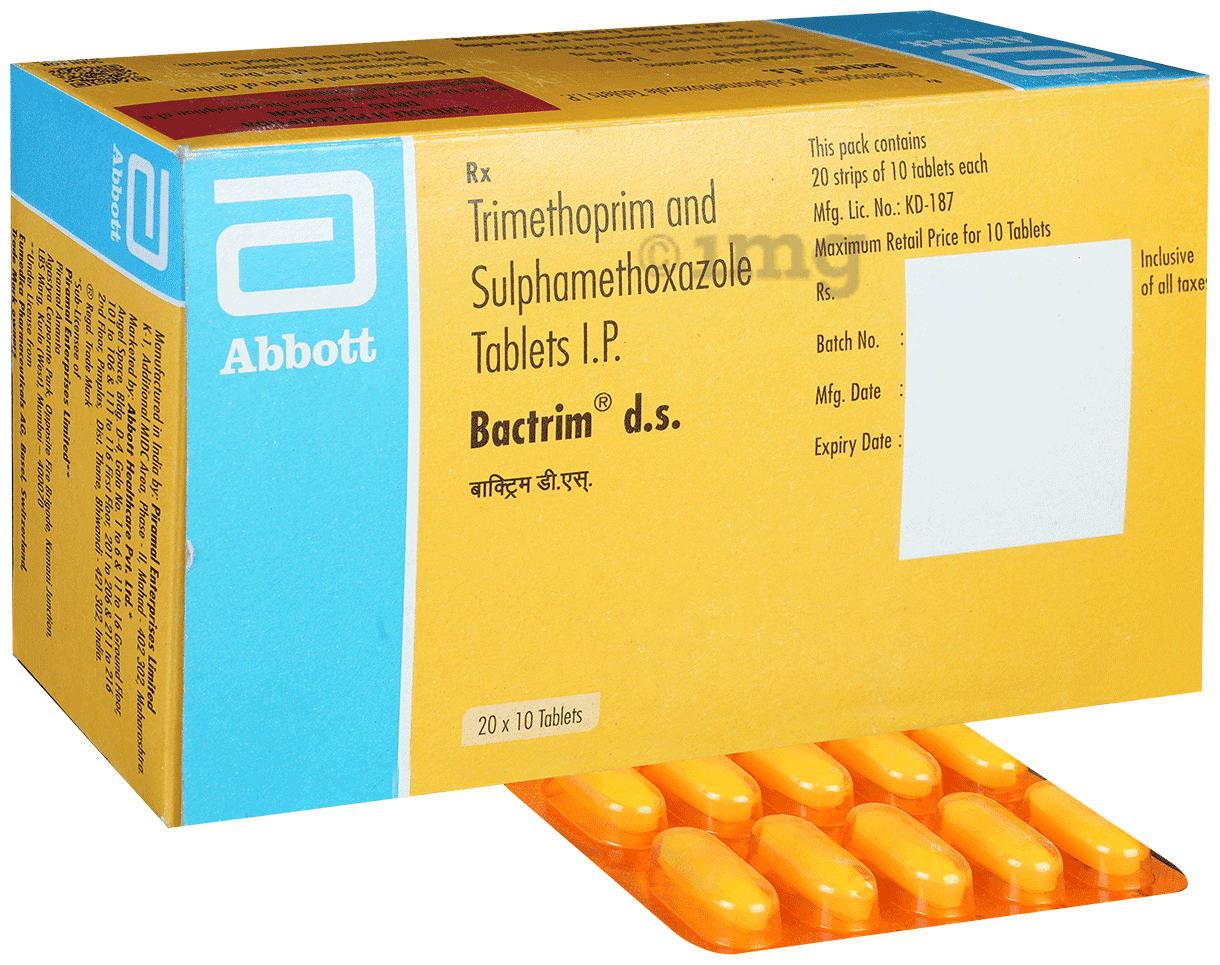
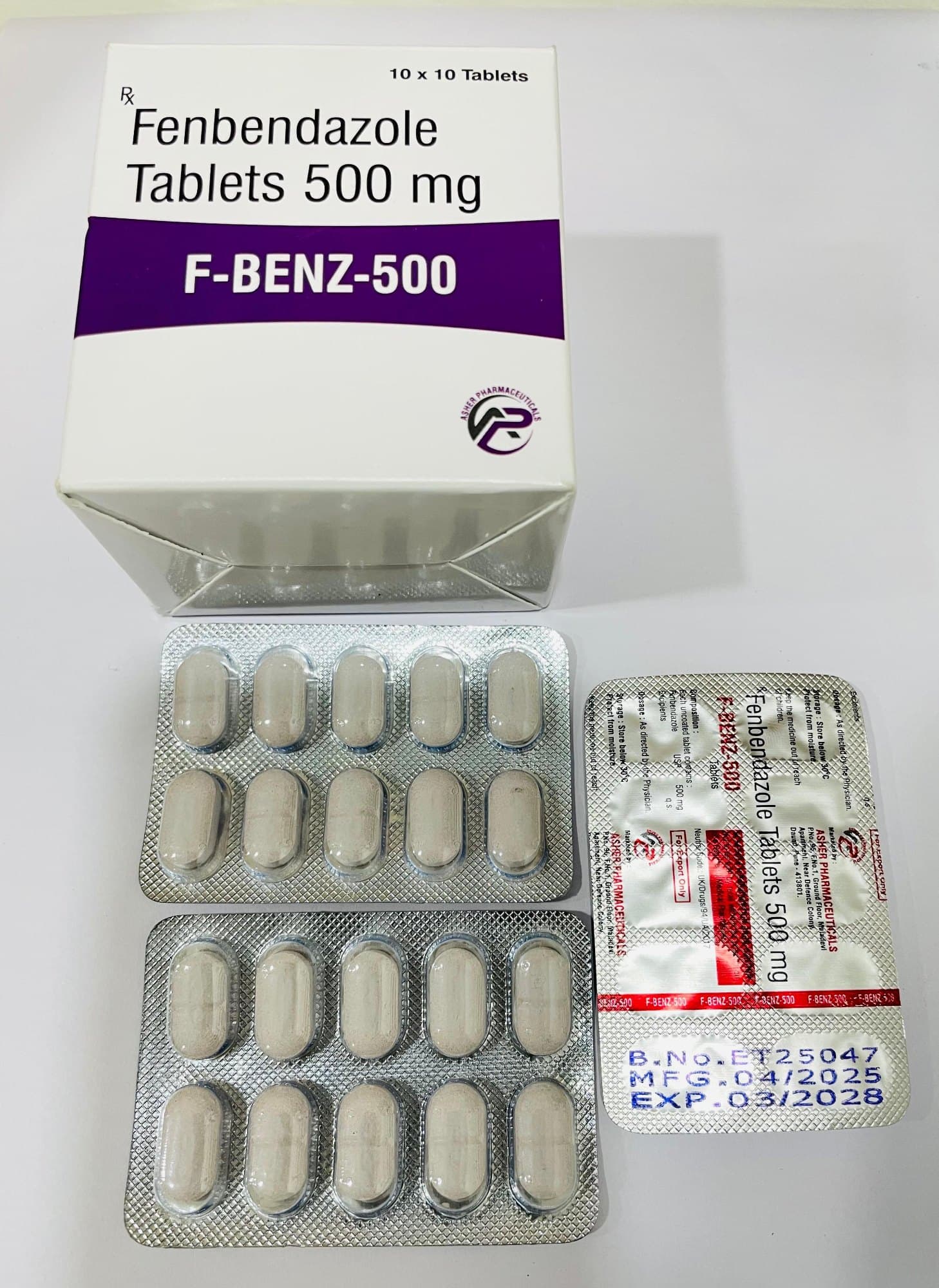
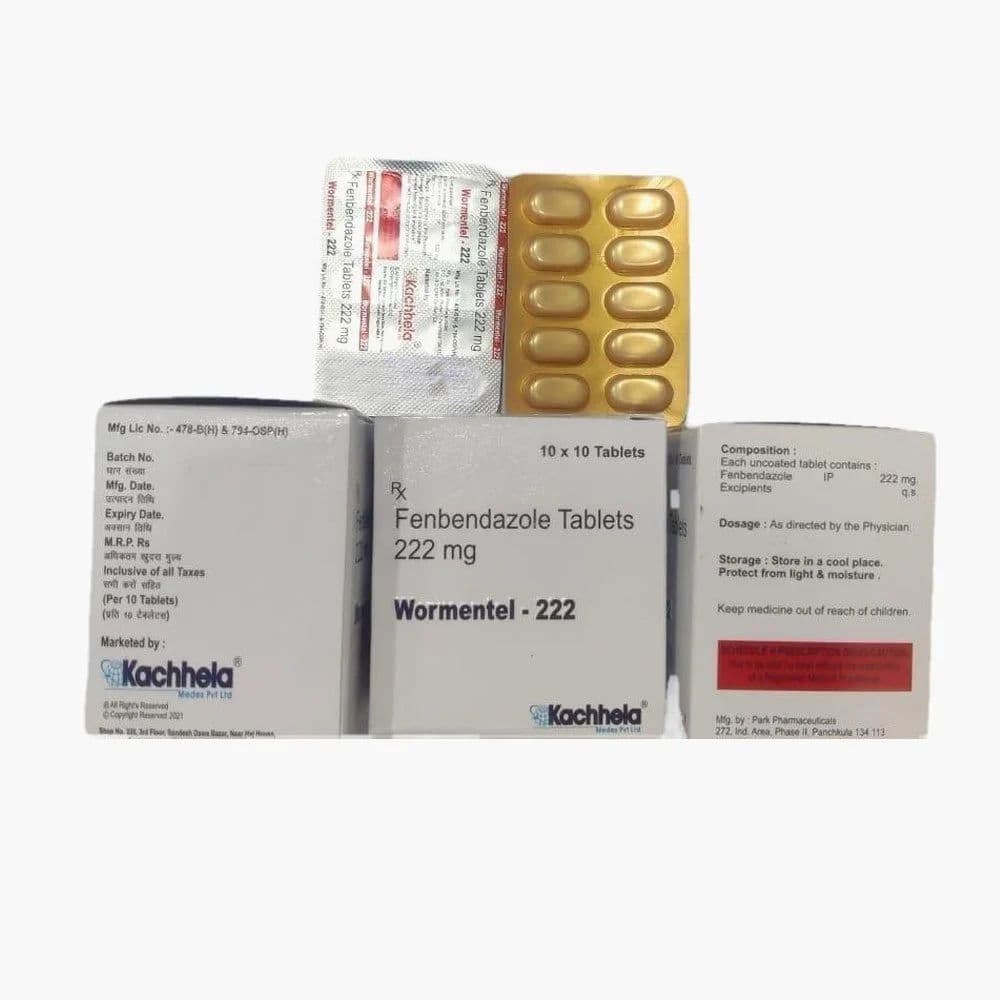
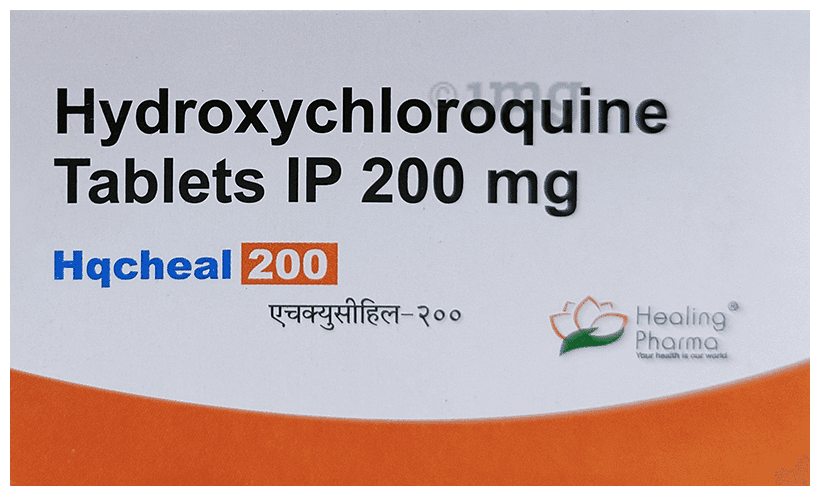
Antibiotics treat bacterial infections and antiparasitics treat parasites — this range covers generic Amoxicillin, Ivermectin, Fenbendazole, HCQS and Bactrim DS.
20 productsAmoxicillinIvermectinBactrim Free over $150
Generic antibacterial and antiparasitic medicines: amoxicillin across several labelled strengths, the combination antibacterial Bactrim DS (sulfamethoxazole with trimethoprim), the antiparasitic ivermectin in tablet and cream form, hydroxychloroquine, and the veterinary antiparasitic fenbendazole. These are Prescription Only Medicines in Australia, and which one is appropriate depends entirely on the organism causing an infection — that is a diagnosis, not a preference. Read the patient information leaflet and follow the directions your prescriber gives you.

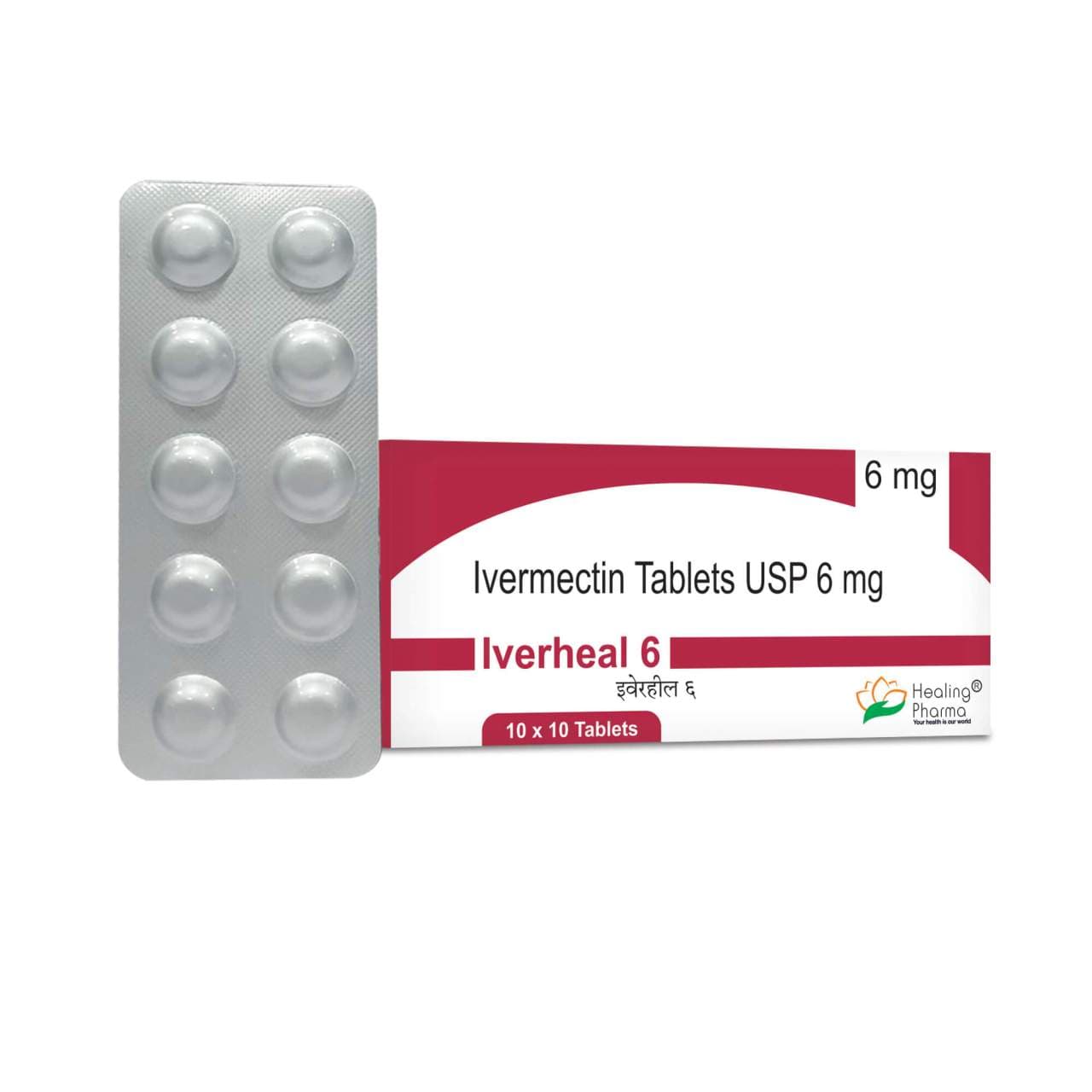
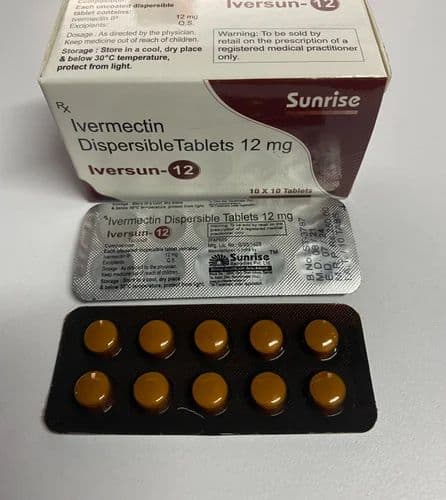

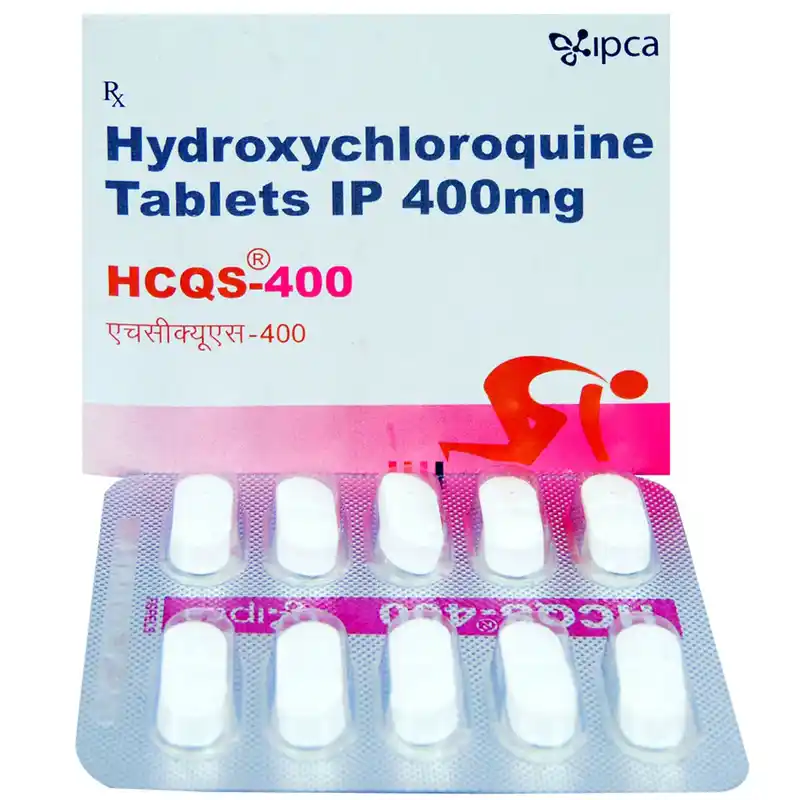
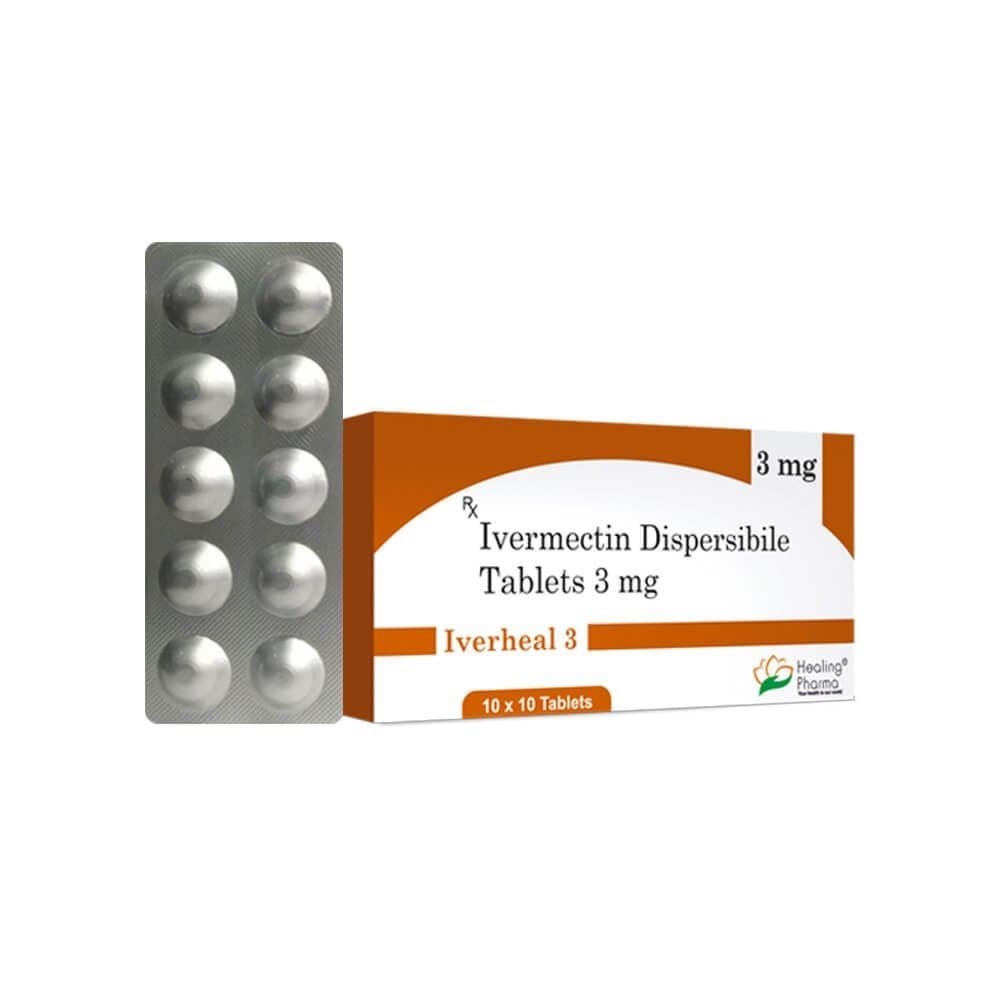

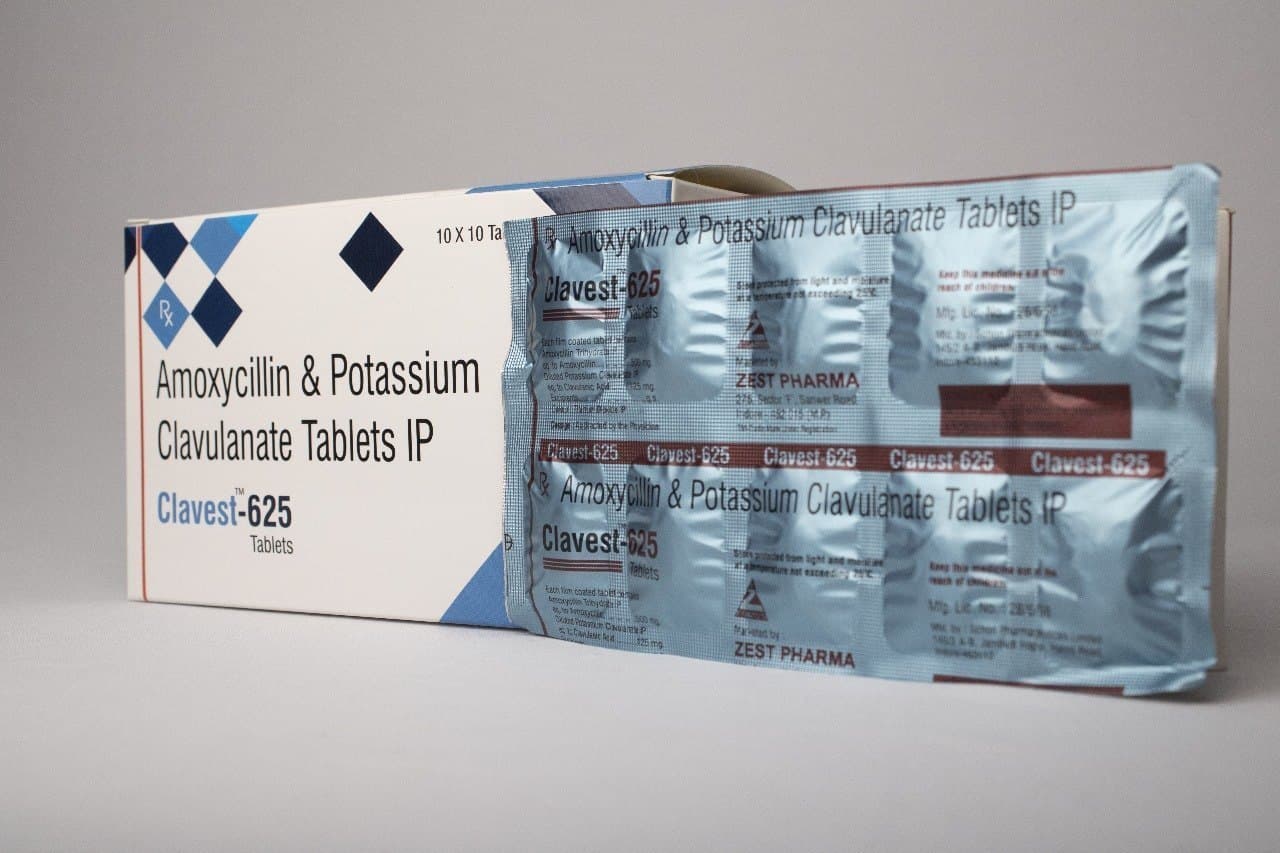
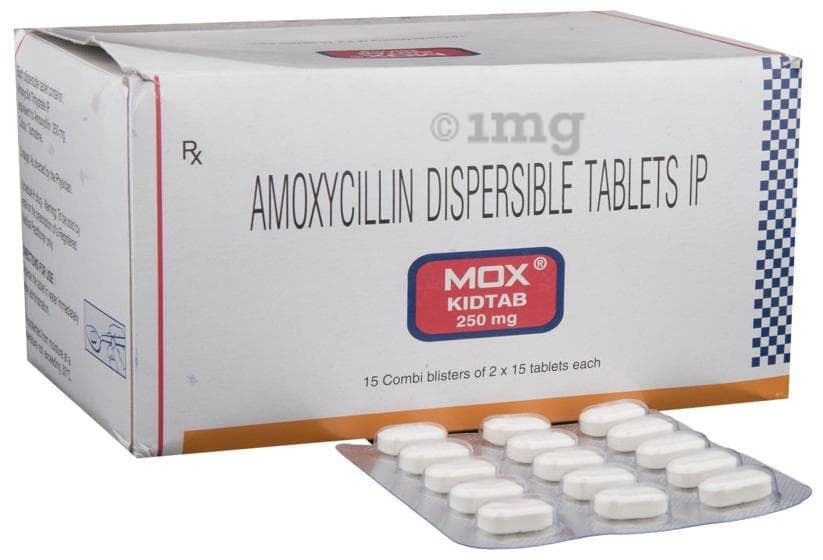
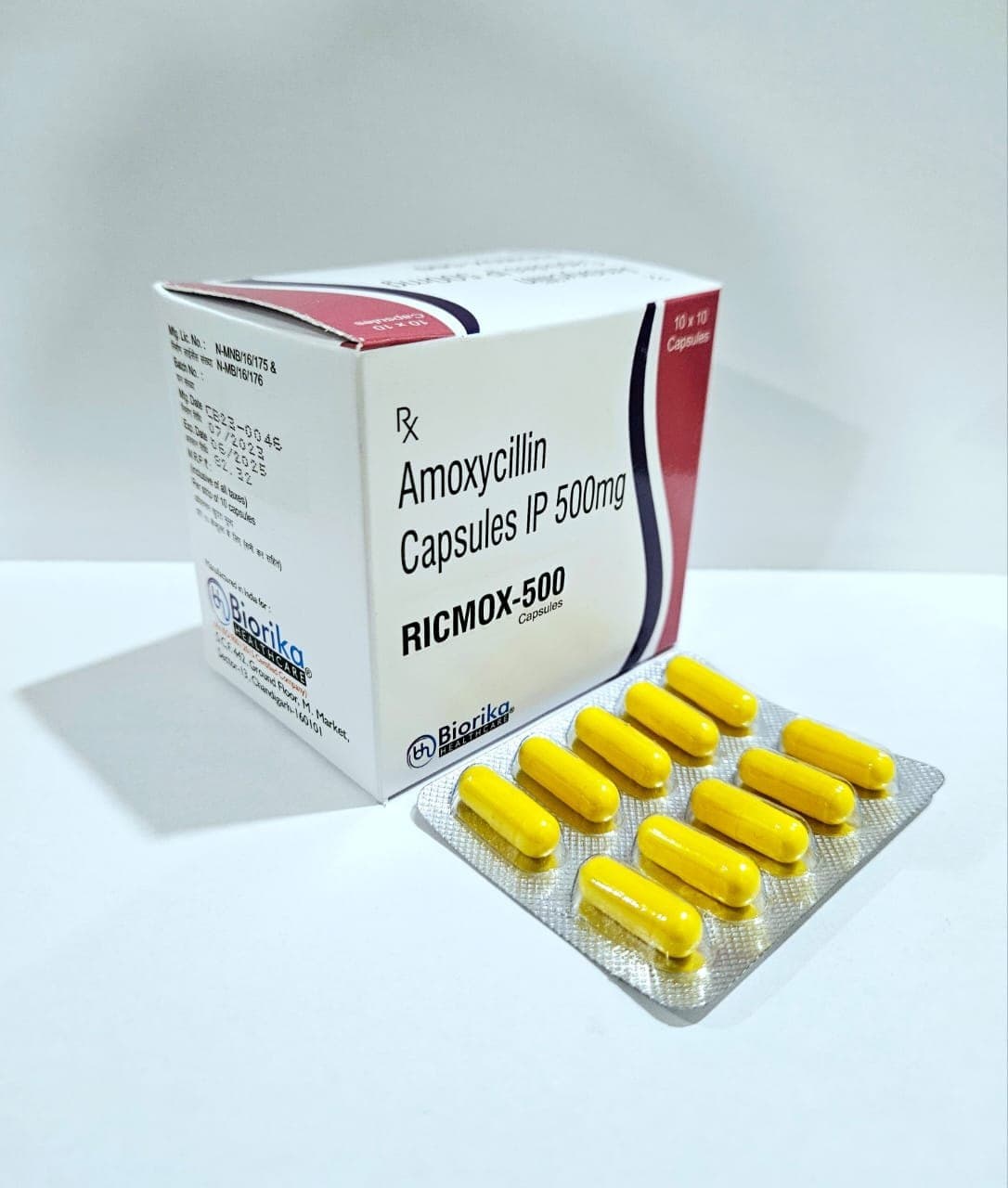
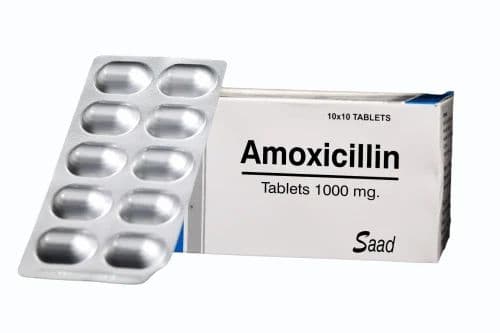
About Antibiotics
Reviewed by the Kamagra AUS Pharmacy Team on 5 September 2026 · Next review June 2027
Key facts
- Antibacterials act on bacteria only — they do nothing for colds, influenza or other viral illness.
- Amoxicillin, co-trimoxazole, ivermectin and hydroxychloroquine are Schedule 4 Prescription Only Medicines in Australia.
- Finishing the full course exactly as prescribed is the single most important thing you can do to limit antibiotic resistance.
- Which medicine is right depends on the organism causing the infection — that is a diagnosis, not a preference.
- Fenbendazole is a veterinary antiparasitic for animals only and is not an approved human medicine.
- Never share antibiotics, never keep leftovers, and return unused medicine to a pharmacy.
This category groups together two related but distinct families: antibacterials, which act against bacteria, and antiparasitics, which act against parasites such as worms and mites. They are grouped for shopping convenience, but they are not interchangeable, and choosing between them is a matter of identifying what is actually causing an illness. That identification is a clinical judgement, sometimes supported by a swab, a urine sample or a blood test, and it is the whole reason these medicines require a prescription.
Antibacterials work in a handful of broad ways: some, like the penicillins, interfere with the bacterial cell wall so that dividing cells fail; others block protein synthesis or a metabolic pathway the bacterium depends on. Amoxicillin is a penicillin and one of the most widely used antibiotics in Australian general practice. Bactrim DS combines sulfamethoxazole with trimethoprim; the two block consecutive steps in the same bacterial folate pathway, which is why they are formulated together. None of this has any effect on a virus — colds, most sore throats, influenza and COVID-19 are viral, and an antibiotic will do nothing for them except expose you to side effects.
Antimicrobial resistance is the reason antibiotics are treated so carefully in Australia. When bacteria are exposed to an antibiotic that does not eliminate them — because the wrong medicine was used, or a course was stopped early, or an antibiotic was taken for a viral illness — the survivors are the ones best equipped to withstand it, and they are what multiplies. Australia has a national approach to antimicrobial stewardship, coordinated by the Australian Commission on Safety and Quality in Health Care, and consumer material is published by Healthdirect Australia and the Department of Health. The practical consumer version is short: take an antibiotic only when a prescriber has decided you need one, take the full course exactly as directed, never share it, never save leftovers for next time, and return unused medicine to a pharmacy rather than keeping it.
Antiparasitics are a different problem space. Ivermectin has well-established, approved uses against particular parasitic infections and, in topical form, against certain skin conditions caused by mites. It also became the subject of considerable misinformation for uses it is not approved for, and the TGA has publicly addressed that. Use it for the purpose your prescriber has identified, and treat claims found on social media with scepticism. Hydroxychloroquine has established roles in malaria and in certain autoimmune conditions such as rheumatoid arthritis and lupus, where it is usually managed by a specialist with monitoring — including eye checks over long-term use.
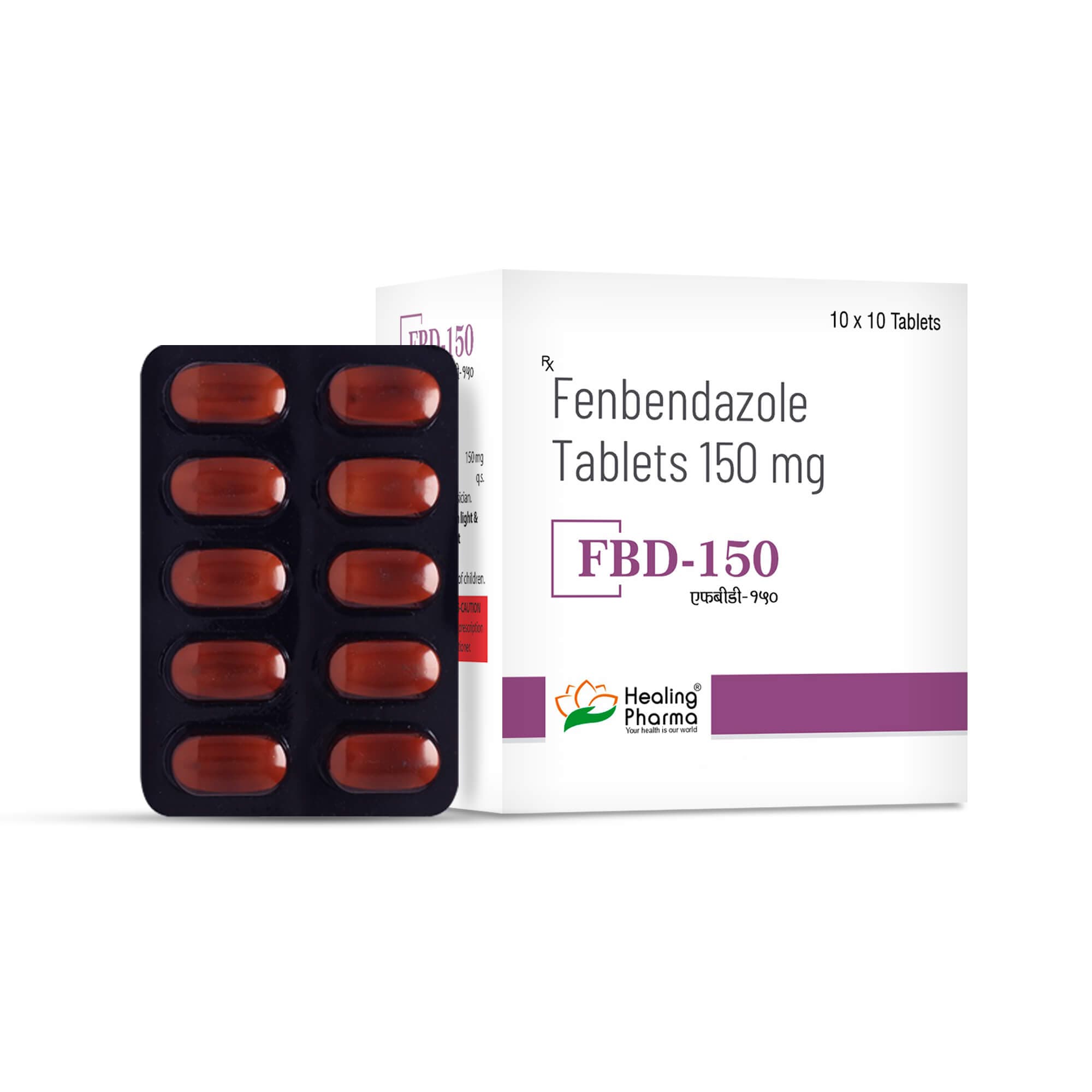
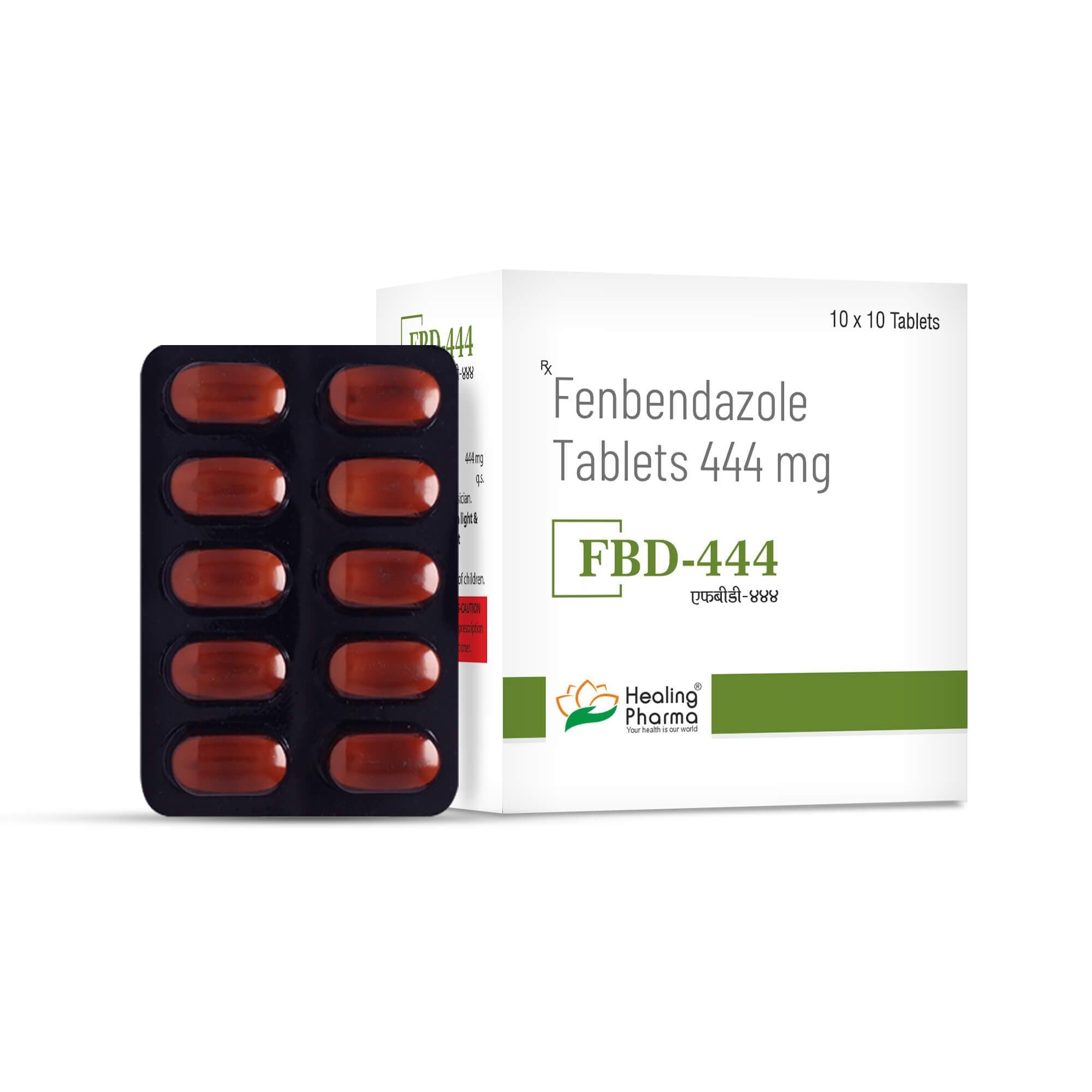
Fenbendazole requires a specific warning that applies to nothing else in this range: it is a veterinary antiparasitic, formulated and approved for animals. It is not an approved human medicine anywhere, it has not been assessed for human safety by the TGA, and claims circulating about human uses are not supported by the regulator. It is listed here as a veterinary product and should be used only in animals, under a veterinarian's guidance.
Finally, a note on supply. Amoxicillin, co-trimoxazole, ivermectin and hydroxychloroquine are all Schedule 4 Prescription Only Medicines in Australia. Some are subsidised through the Pharmaceutical Benefits Scheme when prescribed for particular indications. If you have an infection now, the right first step is a consultation — telehealth or in person — not a purchase. This page exists to help you understand what these medicines are, not to help you self-diagnose.
Compare the options in this range
These medicines are not alternatives to one another. What separates them is the type of organism they act against and therefore the situations in which a prescriber would consider them. There is no dose column here by design.
| Medicine | Active ingredient | Formats | Course profile | Notes |
|---|---|---|---|---|
| Amoxicillin | Amoxicillin (a penicillin) | Capsules and tablets, several labelled strengths | Defined short course, completed in full | Broad-spectrum penicillin, widely used in Australian general practice for respiratory, ENT, urinary, dental and skin infections. Not suitable for anyone with a penicillin allergy — tell your prescriber before it is considered. |
| Bactrim DS | Sulfamethoxazole + trimethoprim (co-trimoxazole) | Tablets | Defined short course; some uses are longer and specialist-directed | Two agents that block consecutive steps in the same bacterial pathway. Used for particular urinary and chest infections. Carries sulfonamide allergy precautions and interacts with several common medicines, including warfarin and methotrexate. |
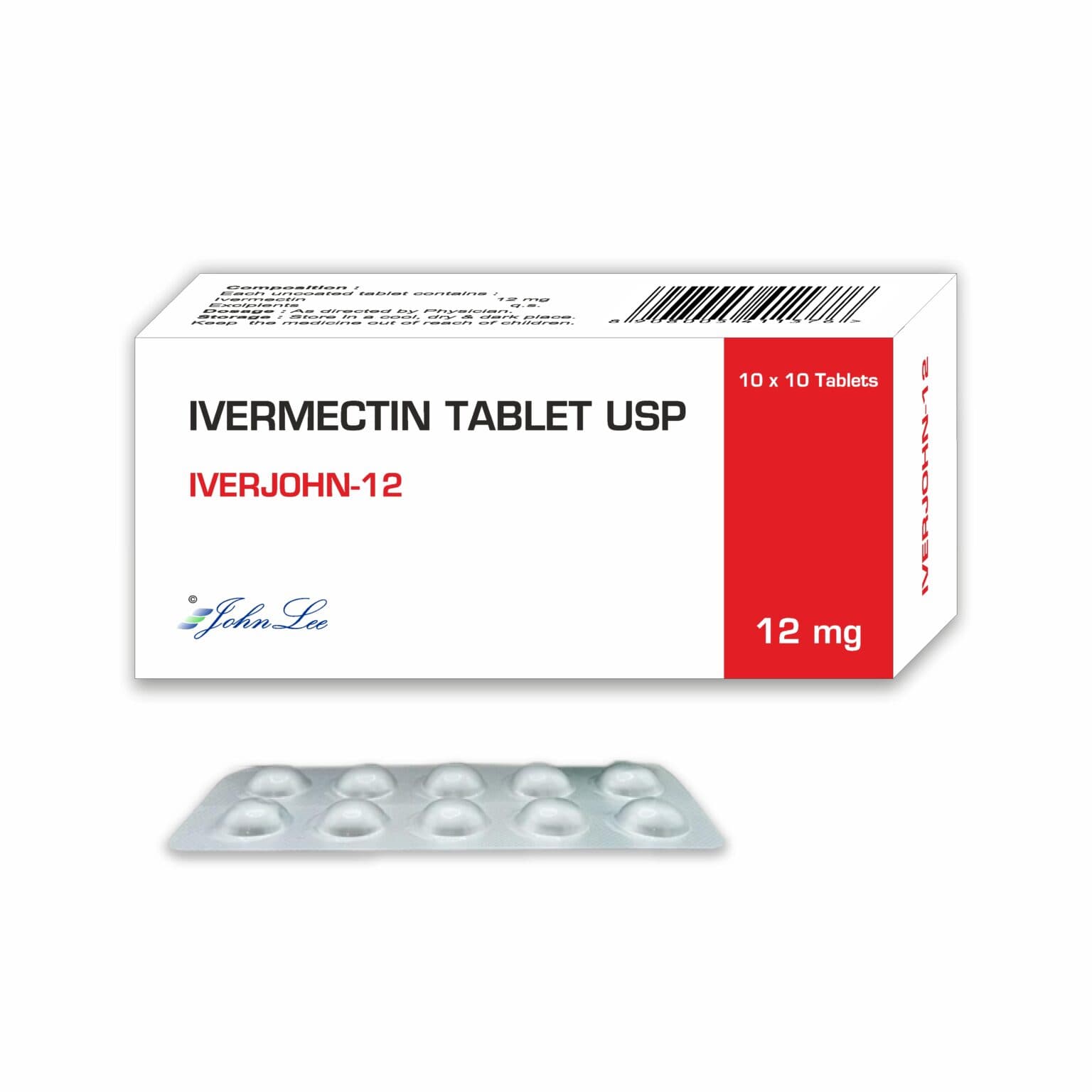
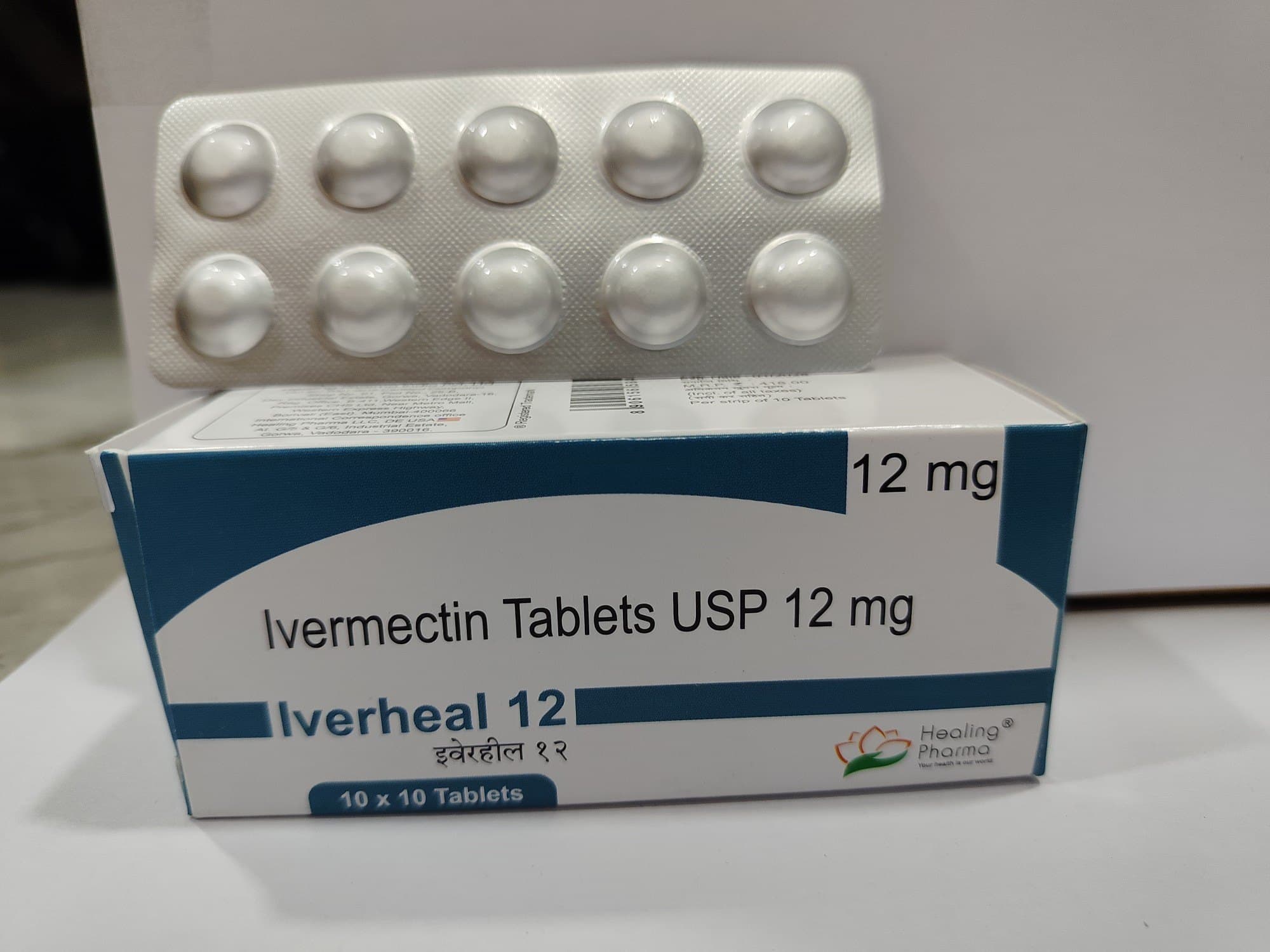
| Ivermectin | Ivermectin | Tablets and topical cream, multiple brands | Short, indication-specific; sometimes a single supervised course | Antiparasitic, not an antibacterial. Approved uses relate to specific parasitic infections and mite-related skin conditions. The TGA has publicly addressed misinformation about other uses. |
| Hydroxychloroquine | Hydroxychloroquine sulfate | Tablets | Often long-term and specialist-supervised in autoimmune use | Established roles in malaria and in autoimmune conditions such as rheumatoid arthritis and lupus. Long-term use requires monitoring, including periodic eye examinations arranged by your specialist. |
| Fenbendazole | Fenbendazole | Tablets and granules (veterinary presentations) | As directed by a veterinarian, for animals | Veterinary antiparasitic. Not an approved human medicine and not assessed for human use by the TGA. Listed here for animal use only, under veterinary guidance. |
Swipe the table sideways to see every column.
Course profiles above describe the general shape of treatment, not a schedule. What you take, and for how long, is set by the prescriber who diagnosed the infection. Complete the course they specify even if you feel better partway through.
How to choose
1Get the diagnosis before the medicine
The single most useful thing you can do is find out what is actually causing the illness. A prescriber may take a swab, a urine sample or a blood test. Choosing an antibiotic without that is guesswork, and guessing wrong means side effects with no benefit and a contribution to resistance.
2Declare every allergy
Penicillin allergy rules out amoxicillin; sulfonamide allergy rules out co-trimoxazole. Be specific about what happened previously — a rash, swelling, breathing difficulty — because the distinction changes what a prescriber can safely use.
3Bring your full medicine list
Co-trimoxazole interacts with warfarin, methotrexate and some diabetes and blood-pressure medicines. Antibacterials can affect other treatments in ways that matter. Include over-the-counter products, supplements and anything herbal.
4Plan to finish the course
Antibiotic courses are set as a whole. Stopping when symptoms improve leaves the least susceptible bacteria behind. If side effects make finishing difficult, contact your prescriber rather than simply stopping — there is usually an alternative.
There is no consumer-level way to choose between these medicines, and any page that offers one is misleading you. The right antibacterial depends on the site of infection, the likely organism, local resistance patterns, your allergies, your kidney function and what else you take. The right antiparasitic depends on the parasite. Use what your prescriber has identified for your specific situation, complete the course, and go back to them if it is not settling.
What it's used for
- Bacterial infections of the chest, ear, nose, throat and sinuses where a prescriber has identified a bacterial cause — amoxicillin
- Urinary tract infections — amoxicillin or co-trimoxazole, depending on the organism and local resistance patterns
- Skin and soft-tissue bacterial infections
- Dental infections and abscesses, alongside dental treatment of the cause
- Some specific infections where co-trimoxazole is the established choice, including certain chest infections in people with weakened immunity
- Helicobacter pylori eradication, where amoxicillin is used as part of a combination regimen decided by a prescriber
- Particular parasitic worm infections — ivermectin
- Scabies and rosacea-associated skin conditions caused by mites — topical ivermectin
- Malaria prophylaxis and treatment in defined situations, and certain autoimmune conditions including rheumatoid arthritis and lupus — hydroxychloroquine, under specialist supervision
- Parasite treatment in animals — fenbendazole, veterinary use only
Safety essentials
- Antibiotics work only against bacteria. They have no effect on colds, influenza, COVID-19 or most sore throats, and taking them for a viral illness gives you the side effects without any benefit while contributing to resistance.
- Finish the full course exactly as prescribed, even once you feel better. Stopping early selects for the bacteria that were hardest to eliminate.
- Never share antibiotics, never take leftovers from a previous illness, and never take someone else's prescription. Return unused medicine to a pharmacy for safe disposal.
- Tell your prescriber about any allergy before amoxicillin or co-trimoxazole is considered — penicillin allergy for the former, sulfonamide allergy for the latter. A previous reaction to one penicillin generally means avoiding the whole group.
- Seek urgent medical care for signs of a severe allergic reaction: swelling of the face, lips or throat, difficulty breathing, a widespread rash with blistering or peeling skin, or feeling faint. In an emergency in Australia, call 000.
- Contact your prescriber promptly for severe or persistent diarrhoea during or after a course of antibiotics, which can signal a serious bowel infection, and for unusual bruising, sore throat with fever, yellowing of the skin or eyes, or a dramatic reduction in urine output.
- Co-trimoxazole interacts with warfarin, methotrexate, some diabetes medicines and medicines that raise potassium. It also increases sensitivity to sunlight — relevant in Australia, so use sun protection.
- Antibiotics can reduce the reliability of other treatments and can upset the normal balance of bacteria in the gut and elsewhere. Mention anything unexpected to your pharmacist.
- Hydroxychloroquine used long term needs monitoring arranged by the prescribing specialist, including eye examinations. Do not start, stop or alter it on your own initiative.
- Fenbendazole is a veterinary product for animals only. It is not an approved human medicine and has not been assessed for human safety by the TGA.
- Always read the patient information leaflet, and check packaging, batch number and expiry before use.
What to check before you order
Confirm the prescription position
Amoxicillin, co-trimoxazole, ivermectin and hydroxychloroquine are Schedule 4 Prescription Only Medicines in Australia. Antibiotics in particular are prescription-controlled for a public health reason, not a commercial one — uncontrolled supply is one of the main drivers of resistance.
Check ARTG status and origin
Products the TGA has assessed for Australian supply appear on the Australian Register of Therapeutic Goods. Generics made for other markets may be produced under Good Manufacturing Practice standards without ARTG registration. Know which you are ordering and mention it to your pharmacist.
Inspect the packaging
Look for intact manufacturer packaging, a legible batch number and expiry date, unbroken blister foil and an included leaflet. Antibiotic capsules should be uniform in colour and size. Anything loose, damaged, unlabelled or short-dated is a reason to stop.
Match the product to the prescription
Check the active ingredient and labelled strength on the pack against what your prescriber specified. Brand names vary widely between markets while the active ingredient stays the same — the ingredient is the thing to verify.
Assess the seller
A verifiable address, a working contact route, Australian dollar pricing, a stated dispatch and delivery timeframe, and a published returns and complaints process. Storage handling matters for antibacterials, so a seller who says nothing about how stock is stored is telling you something.
Never stockpile
Buying antibiotics 'to have on hand' is the behaviour public health advice most consistently warns against. It leads to self-diagnosis, wrong-medicine use, part-courses and expired stock — every failure mode that drives resistance.
Delivery, packaging & storage
- Orders are dispatched within one business day of payment clearing, with a confirmation email and tracking where available.
- Standard delivery is 2–4 business days Australia-wide, free on orders over $150. Regional and remote destinations can take longer.
- Plain, unbranded outer packaging on every parcel — nothing outside identifies the contents.
- Nothing in this range requires cold-chain shipping in the presentations we supply. Store tablets and capsules below 25°C, in the original packaging, away from heat, direct sunlight and humidity.
- Topical ivermectin cream should be kept tightly closed at room temperature and not frozen. Do not use it after the expiry date, or after the period-after-opening the leaflet specifies.
- Keep every antibacterial well out of reach of children, and never transfer it into an unlabelled container — the batch, ingredient and expiry need to stay readable for the whole course.
- Take unused or expired antibiotics to a pharmacy for disposal rather than putting them in the bin or down the sink. Australian pharmacies participate in a medicine return scheme for exactly this purpose.
Terms explained
- Antibacterial vs antiparasitic
- Antibacterials act against bacteria; antiparasitics act against parasites such as worms and mites. They target different organisms and are not substitutes for one another.
- Broad-spectrum
- An antibiotic active against a wide range of bacterial types. Useful when the exact organism is unknown, but broad-spectrum use also disturbs more of the body's normal bacteria and puts more selective pressure behind resistance.
- Antimicrobial resistance
- The process by which bacteria become able to survive the medicines that once eliminated them. Driven by unnecessary use, incorrect choice and incomplete courses. It is why prescribing is controlled.
- Antimicrobial stewardship
- The organised effort within Australian health services to make sure antibiotics are used only where needed and in the right way, coordinated nationally by the Australian Commission on Safety and Quality in Health Care.
- Culture and sensitivity
- A laboratory test that grows the bacteria from a sample and checks which antibiotics act against it. It is what turns an educated guess into a targeted choice.
- Course
- The complete run of treatment a prescriber specifies. Antibiotic courses are designed as a whole; stopping partway is not the same as taking a shorter course.
- Penicillin allergy
- A genuine immune reaction to penicillin-class antibiotics, which includes amoxicillin. Worth having formally assessed, because many people carry the label from a childhood rash that was never confirmed.
- Schedule 4 (Prescription Only Medicine)
- The Australian classification meaning a medicine can only be supplied against a prescription from an authorised practitioner. Amoxicillin, co-trimoxazole, ivermectin and hydroxychloroquine all sit here.
Frequently asked questions
Will antibiotics help a cold or the flu?
+
No. Colds and influenza are caused by viruses, and antibiotics act only on bacteria. Taking one for a viral illness exposes you to side effects with no benefit and adds to antimicrobial resistance. Most viral illnesses settle with rest, fluids and time; see a doctor if symptoms are severe, unusual or not improving.
Why does it matter so much that I finish the course?
+
A course is designed as a complete unit. Symptoms usually improve before the infection is fully cleared, so stopping early tends to leave behind the bacteria that were hardest to eliminate. Those are exactly the ones that go on to multiply and to spread resistance. If side effects are making it hard to finish, contact your prescriber instead of simply stopping.
Do I need a prescription for antibiotics in Australia?
+
Yes. Amoxicillin, co-trimoxazole, ivermectin and hydroxychloroquine are all Schedule 4 Prescription Only Medicines. Antibiotic supply is controlled because uncontrolled use is one of the clearest drivers of resistance. A telehealth or in-person consultation is the appropriate first step if you think you have an infection.
What is the difference between amoxicillin and Bactrim DS?
+
Amoxicillin is a penicillin that interferes with bacterial cell wall construction. Bactrim DS combines sulfamethoxazole with trimethoprim, which block two consecutive steps of a bacterial metabolic pathway. They cover different organisms, carry different allergy profiles and interact with different medicines, so they are chosen for different situations.
I am allergic to penicillin. What does that rule out?
+
A genuine penicillin allergy generally rules out amoxicillin and the rest of the penicillin group. Tell your prescriber exactly what happened last time, because a mild childhood rash and an episode of throat swelling are treated very differently. Many people carry an unconfirmed penicillin allergy label, and formal assessment is available in Australia.
Can I keep leftover antibiotics for next time?
+
No, and this is one of the more common ways people go wrong. Leftovers mean an incomplete course was taken, they encourage self-diagnosis of the next illness, and they expire. Take unused antibiotics to a pharmacy for disposal — Australian pharmacies run a return scheme for exactly this.
Is fenbendazole safe for people?
+
No. Fenbendazole is a veterinary antiparasitic approved for use in animals. It is not an approved human medicine, and it has not been assessed for human safety by the TGA. Claims circulating online about human uses are not supported by the regulator. Use it only in animals, on a vet's guidance.
What is ivermectin actually approved for?
+
Ivermectin has established, approved uses against specific parasitic infections, and in topical form for certain mite-related skin conditions such as scabies and rosacea. The TGA has publicly addressed misinformation about other proposed uses. Use it for the indication your prescriber identified.
Why does hydroxychloroquine need eye checks?
+
Long-term hydroxychloroquine use carries a recognised risk of retinal changes, so specialists arrange periodic eye examinations for people on continuing treatment. This is standard monitoring, not a reason for alarm, but it is a reason the medicine belongs under supervision rather than self-management.
Are these medicines covered by the PBS?
+
Some antibacterials are PBS-subsidised when prescribed for particular indications; subsidy arrangements are set by the Australian Government and depend on the medicine and the reason for prescribing. Your prescriber or pharmacist can tell you what applies to you. We are not a PBS supplier.
Can I drink alcohol while taking antibiotics?
+
It depends on the specific medicine, and the patient information leaflet is the place to check. Alcohol can worsen side effects such as nausea and can interact directly with certain antibacterials. If you are unsure, ask your pharmacist about the exact product you have been prescribed.
How are antibiotics shipped and stored?
+
Orders are dispatched within one business day of payment clearing and arrive in 2–4 business days Australia-wide, free over $150, in plain unbranded packaging. Nothing in this range needs cold-chain handling in the presentations we supply. Store tablets and capsules below 25°C in the original packaging, away from heat and humidity.
Australian information sources
For independent, Australian information about the medicines in this range, we point customers to the following bodies. Search for the medicine by name on their sites rather than relying on overseas material.
- Therapeutic Goods Administration (TGA)
- Australian Register of Therapeutic Goods (ARTG)
- Healthdirect Australia
- Australian Commission on Safety and Quality in Health Care
- Pharmaceutical Benefits Scheme (PBS)
Important: This is general information, not medical advice, and it is not a recommendation to use any particular medicine. Always read the patient information leaflet and consult a doctor or pharmacist before use.
Health guides
Guides & related reading for Antibiotics
18 pharmacist-written guides — newest research first.
1 / 3