How Caffeine Affects Your Sleep Quality
Reviewed by the Kamagra AUS Pharmacy Team on 5 October 2025 · Next review June 2027
Summary
Why caffeine's effects on sleep last longer than most people expect, and practical tips for timing it around your sleep schedule.
On this page
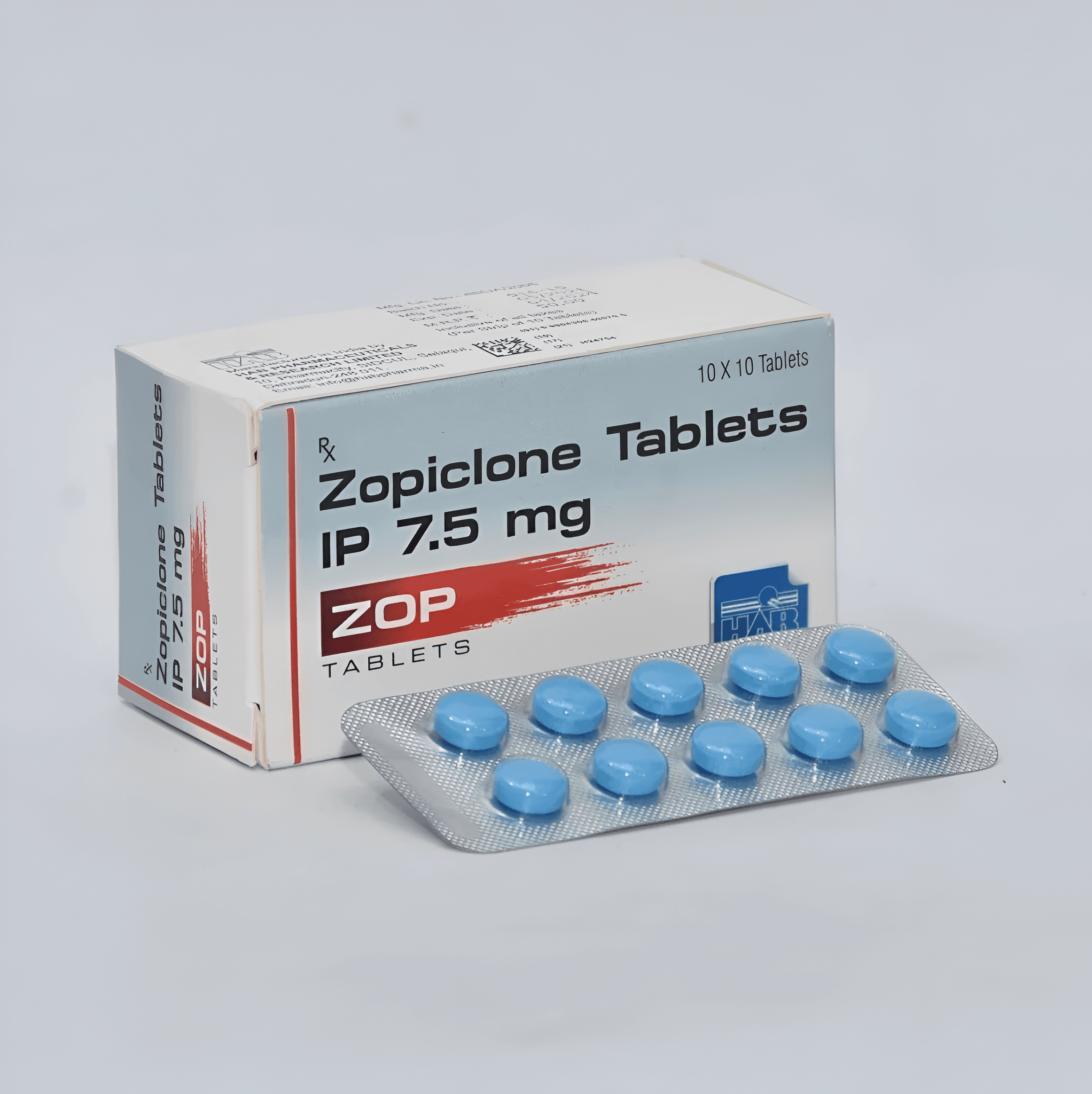
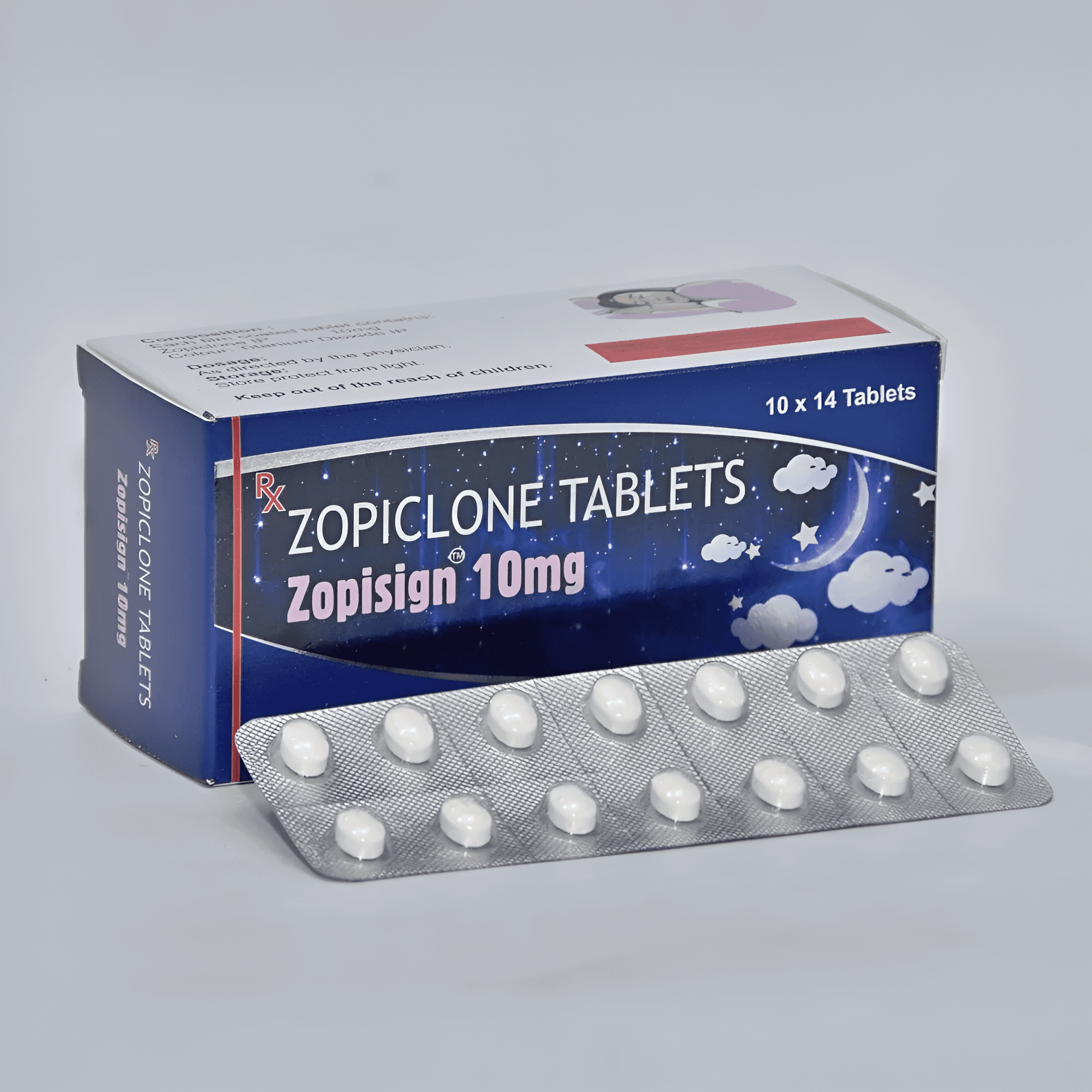
Caffeine is a stimulant that blocks the brain chemicals that build up sleep pressure through the day, which is why consuming it too late can delay sleep onset and reduce sleep quality that night. It's a normal part of daily life in Australia, from the morning coffee to an afternoon energy drink, which makes its effect on sleep easy to underestimate. For anyone dealing with insomnia or considering a prescription option like zopiclone, caffeine timing is one of the simplest things to review first.
How Caffeine Affects the Body
Caffeine works primarily by blocking adenosine receptors in the brain. Adenosine is a chemical that naturally builds up through the day and contributes to the feeling of sleepiness by evening. By blocking its effect, caffeine keeps you feeling more alert than your body's natural signals would otherwise suggest.
This is a genuinely different mechanism to a prescription sedative like zopiclone, which works on a separate calming pathway in the brain, but the two can still interact indirectly. Taking a sedative on top of a system still wired up on caffeine can make falling asleep feel harder even with medicine on board.
Why the Timing Matters More Than People Think
Caffeine has a longer half-life in the body than many people assume, meaning a meaningful amount can still be circulating many hours after it's consumed. An afternoon coffee that feels perfectly fine at the time can still be affecting sleep onset and quality that night, even without an obvious jolt of alertness being noticed.
Individual sensitivity to caffeine varies considerably, influenced by genetics, regular consumption habits, and other factors, so some people can have coffee in the evening with little apparent effect while others are kept awake by a single afternoon cup.
Hidden Sources of Caffeine
Coffee and tea are the obvious sources, but caffeine also turns up in energy drinks, some soft drinks, chocolate, and certain over-the-counter cold and flu or pain relief products. If you're reviewing caffeine intake for sleep reasons, it's worth checking labels rather than just counting coffees.
Caffeine's Effect on Sleep Architecture
Beyond simply making it harder to fall asleep, caffeine can affect the quality and depth of sleep even when someone does eventually drop off. Some research points to reduced deep sleep and more fragmented sleep overall when caffeine is consumed too close to bedtime, which can leave people feeling less rested even after a full night in bed.
Practical Tips for Better Sleep
Cutting off caffeine intake by early-to-mid afternoon is a commonly recommended starting point, though the exact cutoff that works varies by person. Paying attention to how you personally respond, rather than assuming a one-size-fits-all rule, is the most useful approach.
Combining sensible caffeine timing with other sleep hygiene habits, such as a consistent bedtime and a good sleep environment, tends to produce better results than focusing on caffeine alone.
When to Seek Further Help
If cutting back on caffeine doesn't meaningfully improve persistent sleep difficulty, it's worth discussing with your doctor, who can assess whether other factors are at play and whether options in the sleep aids category might be appropriate.
Always read the patient information leaflet for any medicine you're prescribed, and speak with your doctor or pharmacist about ongoing sleep concerns.
Frequently asked questions
How many hours before bed should I stop drinking caffeine?+
Many people are advised to stop caffeine by early-to-mid afternoon, but individual sensitivity varies, so it's worth paying attention to how caffeine affects your own sleep specifically.
Can caffeine affect sleep even if I fall asleep fine?+
Yes, caffeine can reduce deep sleep and fragment sleep overall even when falling asleep isn't obviously difficult, which can leave you feeling less rested.
Are there hidden sources of caffeine I should watch for?+
Yes, beyond coffee and tea, caffeine appears in energy drinks, some soft drinks, chocolate, and certain over-the-counter cold and flu or pain relief products.
Kamagra AUS Health Editorial Team
Plain-English health writing from our in-house editorial team — sourced to the TGA, healthdirect and each medicine's product information, and focused on how Australians actually access and use medicines safely.
How our content is written & reviewedSources for the medical information in this guide
- Sleep Health Foundation — Australian sleep-health charity — search the topic for evidence-based guidance on insomnia and sleep disorders.
Related treatments
Browse the medicines and conditions related to this guide:
Mentioned in this guide
Shop the treatments covered here
Genuine medicines from the guide above — discreetly delivered Australia-wide.