Female Sexual Dysfunction: What It Actually Means, and When to See a Doctor
Reviewed by the Kamagra AUS Pharmacy Team on 23 November 2025 · Next review June 2027
Summary
Female sexual dysfunction is a broad, often misunderstood term covering several distinct problems with genuinely different causes. Here's what it actually involves, and how it's assessed.
On this page
Female sexual dysfunction is a broad clinical term, not a single condition — it covers several genuinely different problems, each with its own possible causes, and it's discussed far less openly than male erectile dysfunction despite affecting a meaningful proportion of women at some point in life.
The broad categories it can cover
Clinically, female sexual dysfunction is usually grouped into problems with desire (low or absent interest), arousal (difficulty becoming physically aroused despite wanting to), orgasm (difficulty reaching orgasm, or reduced sensation), and pain (discomfort during sex, sometimes linked to conditions like vaginal dryness after menopause). A woman can experience one of these or a combination, and the right approach genuinely depends on which is actually happening.
Physical and hormonal causes
Hormonal shifts — during perimenopause and menopause, after childbirth, or with certain medical conditions — are common physical contributors, since oestrogen plays a direct role in arousal and vaginal tissue health. Other physical causes include certain medicines (some antidepressants and blood pressure medicines are known contributors), chronic illness, and pelvic floor or nerve-related issues.
Psychological and relational factors
Stress, anxiety, depression, body image, past experiences, and relationship dynamics all genuinely affect sexual function, and for many women these factors matter as much as — or more than — anything physical. This is exactly why a thorough assessment looks at the whole picture rather than assuming a purely physical or purely psychological cause.
Why it's under-discussed
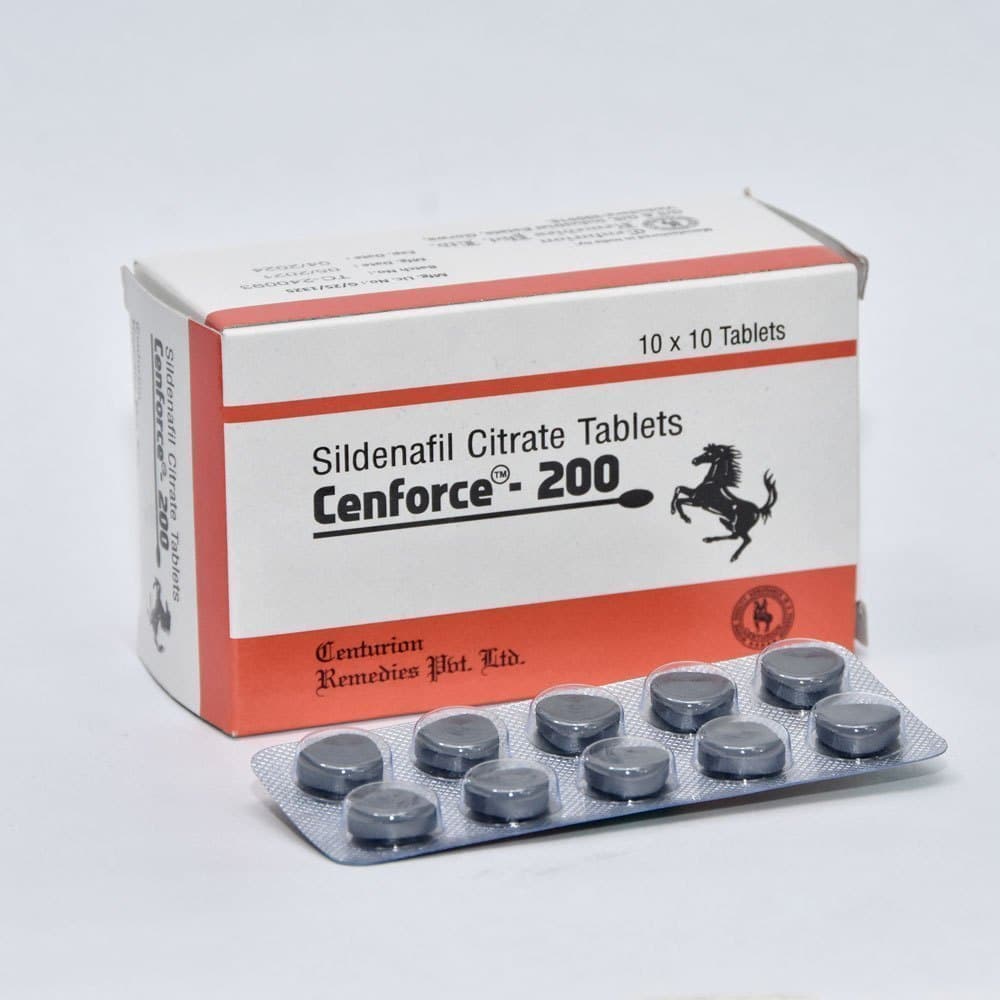
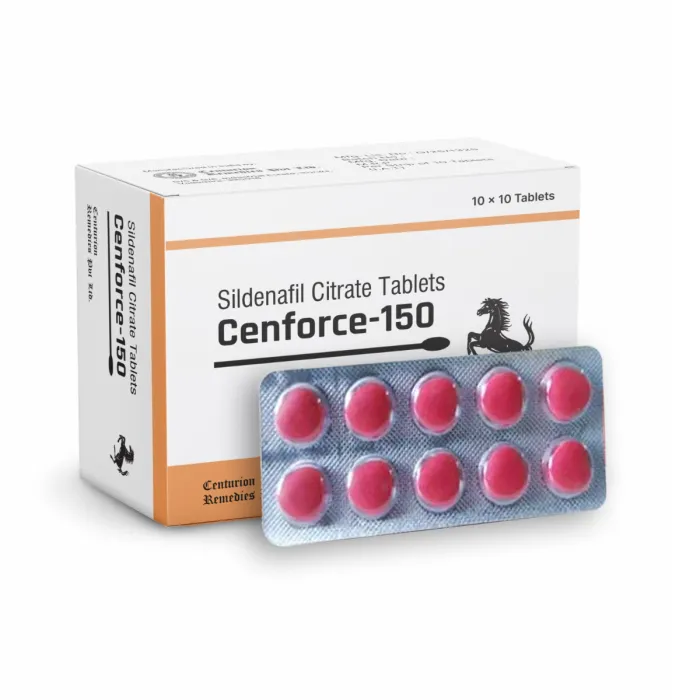
Female sexual dysfunction has historically received far less research attention and clinical airtime than male ED, partly because it's harder to characterise with a single measurable marker (male ED has an obvious physical sign; female sexual dysfunction usually doesn't). That research gap doesn't make it any less real or any less worth raising with a doctor — it just means the evidence base for some treatments (see our note on Cenforce FM, a sildenafil-based product marketed for this use) is considerably less established than the equivalent treatments for men.
What a doctor's assessment actually involves
A proper assessment typically covers your hormonal status, current medicines, relevant medical history, and — because the causes are so often mixed — a candid conversation about stress, mood and relationship factors. This isn't an intrusive formality; it's what actually determines whether the right next step is a hormonal treatment, addressing an underlying physical cause, counselling, adjusting a medicine that's contributing to the problem, or some combination.
The practical takeaway
If something in this area is affecting you, it's a legitimate health concern worth raising with a GP or specialist the same as any other — not something to quietly manage alone or assume has no solution. There generally isn't a single universal fix the way there often is for male ED, which is precisely why an individual assessment matters more here, not less.
This article is general information, not medical advice. Female sexual dysfunction has a wide range of possible causes and treatments — a doctor's assessment is the reliable way to work out what's actually driving your specific symptoms and what genuinely helps.
Frequently asked questions
Is female sexual dysfunction a single condition?+
No — it's an umbrella term covering distinct problems with desire, arousal, orgasm or pain, each with its own possible causes. A doctor's assessment identifies which is actually relevant to you.
Can menopause cause female sexual dysfunction?+
Hormonal changes around perimenopause and menopause are a common contributor, particularly to arousal and pain-related symptoms such as vaginal dryness, since declining oestrogen affects vaginal tissue directly.
Are there medicines for female sexual dysfunction the way there are for male ED?+
Some options exist, such as sildenafil-based products marketed for this use, but the evidence base is considerably less established than for male ED, and treatment depends heavily on the underlying cause identified during assessment.
Is it worth seeing a doctor if the cause might be psychological rather than physical?+
Yes — psychological and relational factors are genuine, common contributors, and a doctor or specialist can help address them directly or refer you appropriately, rather than this being something to only consider if a physical cause is ruled out.
Kamagra AUS Health Editorial Team
Plain-English health writing from our in-house editorial team — sourced to the TGA, healthdirect and each medicine's product information, and focused on how Australians actually access and use medicines safely.
How our content is written & reviewedSources for the medical information in this guide
- Jean Hailes for Women's Health — Australian women's health authority — search the topic for evidence-based guidance.
Mentioned in this guide
Shop the treatments covered here
Genuine medicines from the guide above — discreetly delivered Australia-wide.