Storing Medicine Through an Australian Heatwave: What Actually Degrades and What Doesn't
Reviewed by the Kamagra AUS Pharmacy Team on 5 November 2025 · Next review June 2027
Summary
A multi-day heatwave is a different risk to an ordinary hot day — what it does to tablets versus gels and liquids, and when heat-affected medicine is worth replacing rather than risking.
On this page
A heatwave is a different event from an ordinary hot day, and it is worth treating it as one. Several days in a row where the temperature barely drops overnight, an un-air-conditioned home that never properly cools, and a car that turns into an oven within minutes of parking — these are the specific conditions that push a medicine cabinet past the point its storage instructions were written for. Our general guide on storing medicines safely in the Australian climate covers day-to-day storage; this one is about the heatwave itself, and what to do when one is forecast or already underway.
Why a heatwave is worse than a normal summer day
Most storage guidance assumes a home that cools down at night and a car trip that lasts twenty minutes. A heatwave removes both assumptions. Indoor temperatures in a house without air conditioning can sit above the range most tablets are labelled for — commonly store below 25°C or store below 30°C on the pack — for days at a stretch, with no overnight recovery. A car left in direct sun during a heatwave reaches damaging temperatures within minutes, not hours, and stays hot well after the sun moves off it. It's the cumulative exposure across a multi-day heatwave that does the damage, more than any single afternoon.
Not every format handles heat the same way
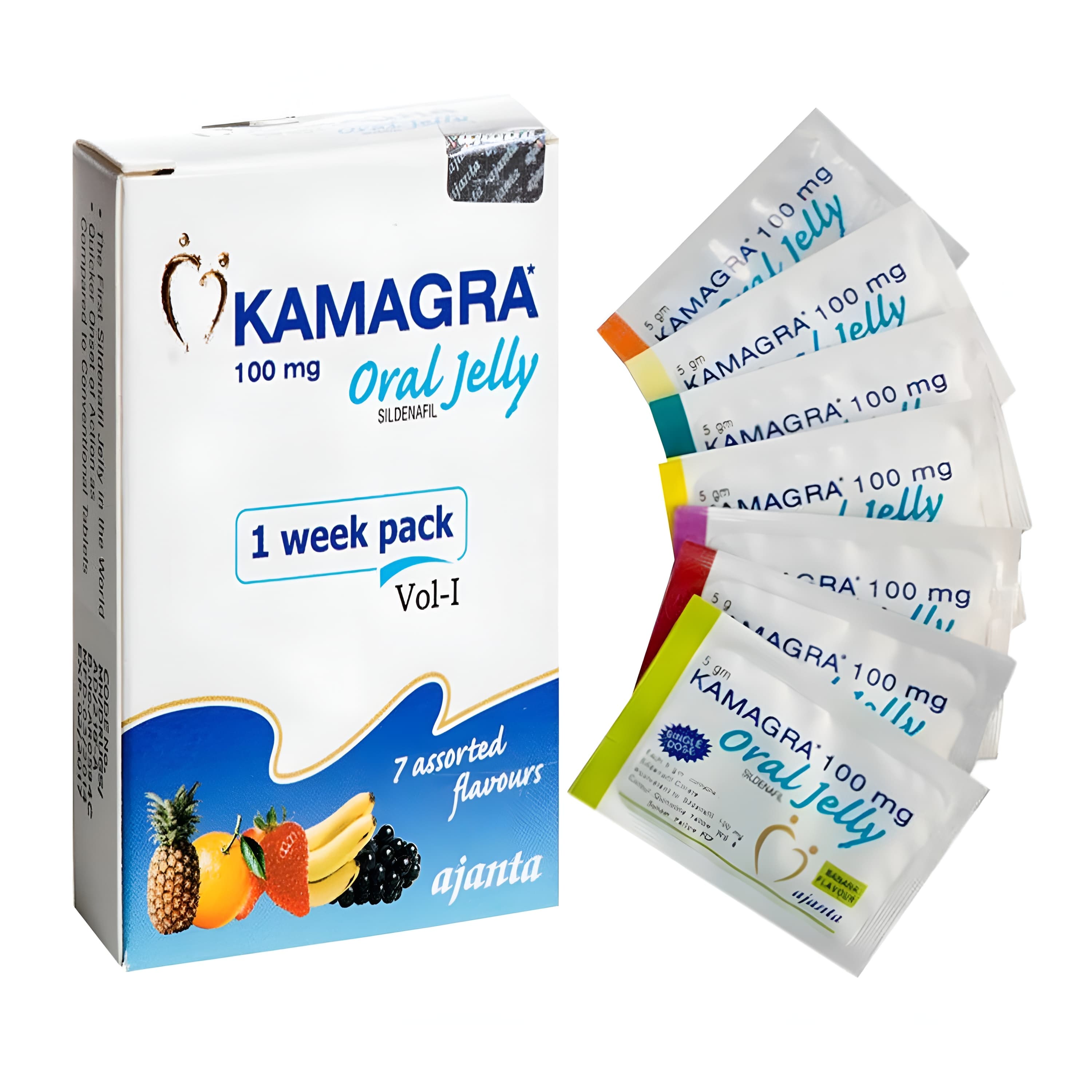
A tablet sealed in blister foil is a dry, physically stable object — heat still speeds up chemical breakdown of the active ingredient, but the format itself has some resilience. A gel or liquid formulation, such as an oral jelly sachet, is a different proposition. It's a semi-solid or liquid suspension, and heat can thin the gel base, encourage the components to separate, and speed up degradation of whatever is dissolved in it — changes that often show up visibly before a tablet would show any sign of trouble. This is a well-recognised general principle of pharmaceutical storage, not something specific to any one brand: solid dosage forms are usually more heat-stable than gel, jelly or liquid ones. Kamagra Oral Jelly, a Schedule 4 Prescription Only Medicine containing sildenafil for erectile dysfunction, is one example of a jelly format that deserves extra care during a heatwave for exactly this reason — but the same logic applies to any liquid or gel medicine in the house, prescription or over-the-counter.
Never leave medicine in the car during a heatwave
During a heatwave, the car is the single worst place any medicine can end up, even for a short stop. A glovebox or the boot heats faster than the cabin and holds that heat longer. Running into a shop for ten minutes, forgetting a pharmacy bag on the back seat overnight, or leaving stock in the car through a multi-stop errand run are all common ways medicine ends up cooked without anyone intending it. If you've collected medicine and have more errands ahead during a heatwave, take it inside with you or plan the pharmacy stop last.
Getting medicine home safely when it's this hot
An insulated bag — the kind used for groceries — is worth using for the commute home during a heatwave, even for a short trip. It doesn't need ice, just a barrier between the medicine and hot cabin air, and it buys time if the trip runs longer than planned. Once home, get the medicine into a cool, dark cupboard as soon as you're through the door rather than leaving it on a bench while you unpack everything else. If your home has no air conditioning and is genuinely holding a high indoor temperature through the heatwave, choose the interior room with the least temperature swing over the course of the day, not necessarily the one that feels coolest in the moment.
Signs a medicine has been affected — and when to just replace it
After any heatwave exposure worth worrying about, check before using: tablets that have discoloured, softened, become sticky, or fused together; a gel that has separated, turned grainy, gone unusually runny or stiff, or changed colour; any unexpected smell from either format; or packaging that looks swollen, warped or damaged. None of these signs are things to talk yourself out of. Heat damage isn't always visible, but when it is visible, it's a reliable stop signal — a pharmacist can't rescue a compromised medicine, and there's no way to test potency at home. If a medicine has spent real time in heatwave conditions and you're not confident in it, the safer and cheaper choice is to discard it through a pharmacy's Return Unwanted Medicines programme and get a replacement, rather than take a chance on something that may no longer be what the label says it is.
This article is general information about medicine storage in extreme heat, not medical advice. Follow the storage instructions on your pack, and speak with your doctor or pharmacist if you're unsure whether a medicine has been affected by heat.
Frequently asked questions
Is a heatwave really different from a normal hot day for medicine storage?+
Yes. The risk in a heatwave comes from sustained exposure — several days in a row with little overnight cooling — rather than a single hot afternoon. A home without air conditioning may not drop back into a safe range at all during a multi-day heatwave, which is a different, cumulative kind of exposure than one warm car trip.
Are oral jelly medicines more affected by heat than tablets?+
Generally, yes. Gel and liquid formulations are less heat-stable than solid tablets in blister foil, because heat can thin the gel base and speed up separation and degradation. This is a general pharmaceutical storage principle, not specific to one brand, and it's why gel-format medicines deserve extra care during a heatwave.
What should I do if a tablet or jelly was left in a hot car during a heatwave?+
Don't assume it's fine just because it looks normal. Check for discolouration, texture change, or an unusual smell, but be aware that degradation isn't always visible. If you're not confident in it, the safer option is to treat it as compromised, return it to a pharmacy through the Return Unwanted Medicines programme, and get a replacement.
Kamagra AUS Health Editorial Team
Plain-English health writing from our in-house editorial team — sourced to the TGA, healthdirect and each medicine's product information, and focused on how Australians actually access and use medicines safely.
How our content is written & reviewedSources for the medical information in this guide
- Australian Commission on Safety and Quality in Health Care — medicines information — Independent Australian guidance on safe medicines use.
Mentioned in this guide
Shop the treatments covered here
Genuine medicines from the guide above — discreetly delivered Australia-wide.