Taking Prescription Medicine Overseas: Customs Declarations and Doctor's Letters
Reviewed by the Kamagra AUS Pharmacy Team on 10 November 2025 · Next review June 2027
Summary
A practical guide for Australian travellers carrying prescribed medicine abroad — from packaging and quantities to doctor's letters, and why checking your destination country's own rules always comes first.
On this page
Travelling with prescription medicine is routine for millions of Australians every year — but it's also one of the more overlooked parts of trip planning. Whether you're carrying an S4 prescription-only medicine like sildenafil, tadalafil, pregabalin or zopiclone, the general practices below can help things go smoothly at both ends of your trip. None of this replaces checking the rules of the country you're actually flying into, which is the one step that matters more than any other.
Keep it in its original packaging
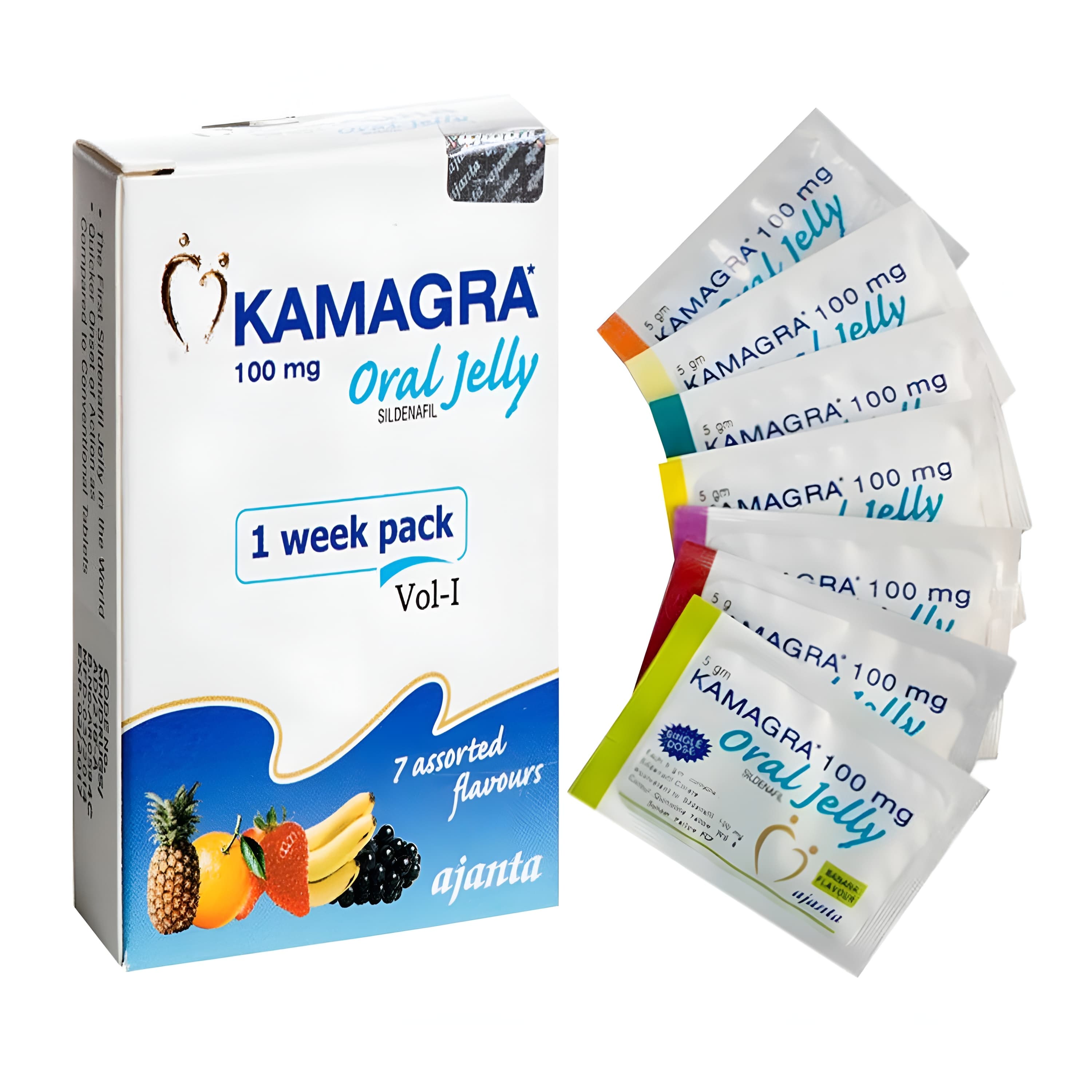
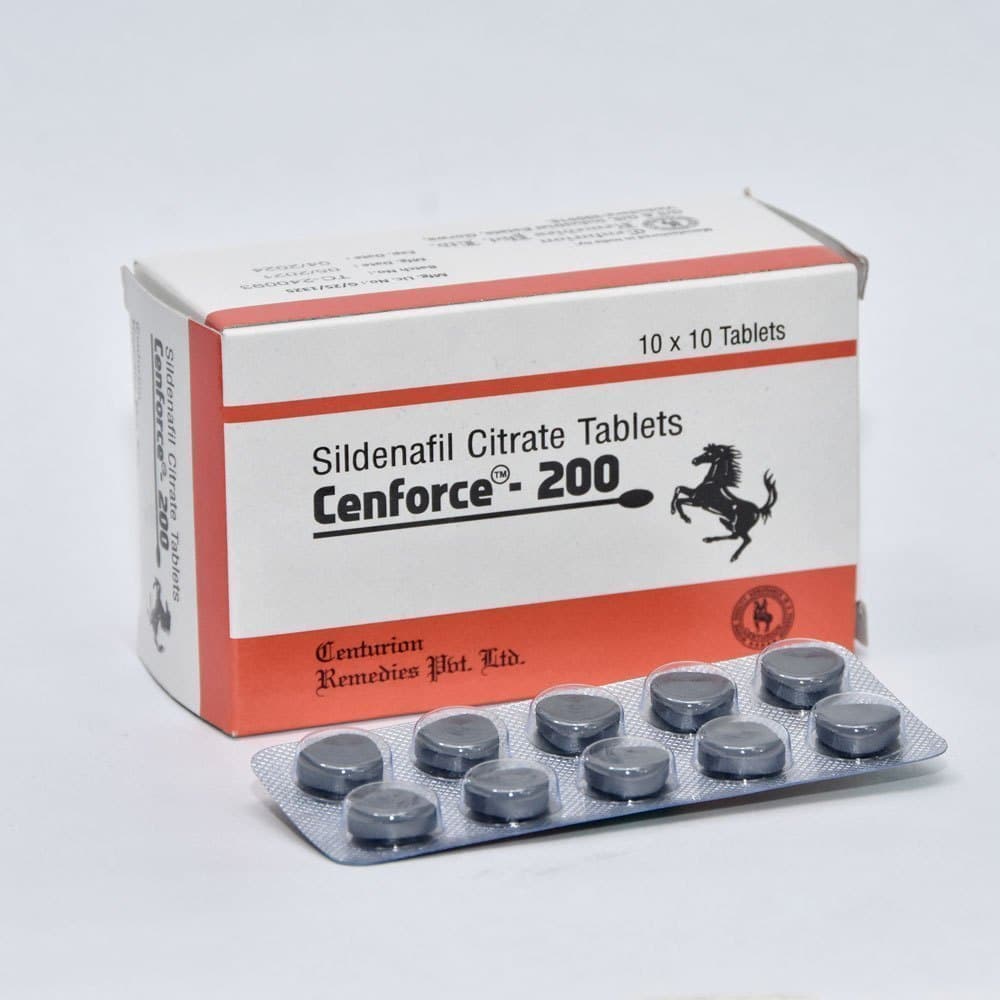
The simplest thing you can do is leave your medicine in the original pharmacy packaging or blister strip, with the label showing your name, the medicine name and the dispensing pharmacy still attached. Loose tablets in a pill organiser or repackaged into an unlabelled container are harder for you to explain and harder for a customs or security officer to quickly verify, even when everything about your trip is entirely legitimate. If you use a weekly dose organiser day-to-day, consider packing the original boxes as well for travel, particularly for international legs.
Pack a reasonable quantity, not a stockpile
A general rule of thumb for travelling with your own prescribed medicine is to carry roughly what you need for the length of your trip, plus a modest buffer for delays — not a bulk quantity that could reasonably be mistaken for supply rather than personal use. Australia's own approach to bringing medicines in and out of the country allows for reasonable personal-use travel quantities, but exactly how much is "reasonable" depends on the medicine, the length of the trip and the country involved, so this is a case-by-case judgement rather than a fixed number. If your trip is unusually long, or your prescriber has suggested a larger supply for medical reasons, that's exactly the kind of detail worth having documented (see below) rather than relying on memory if you're asked about it.
Carry a letter from your doctor or a copy of your prescription
For international travel, it's general good practice to carry a letter from your prescribing doctor, or at minimum a printed or digital copy of your prescription, especially for any medicine that a border official might query — this can include medicines for pain, sleep or sexual health, among others. A doctor's letter typically confirms your name, the medicine and dose prescribed, and that it's for your own personal use. It doesn't guarantee entry with your medicine into every country, but it's a straightforward way to support what's already in your prescription packaging, and it costs little to arrange before you go. Ask your GP or prescribing clinician a few weeks ahead of travel, since some clinics need lead time to prepare one.
The most important step: check your destination country's own rules
Here's the part that trips people up most: what you're allowed to bring into a country is entirely that country's decision, not Australia's. A medicine that's legal, common and available on prescription here in Australia can be tightly restricted, require an import permit, or in some cases be prohibited altogether in another country — and this varies enormously from one destination to the next, with no consistent pattern you can assume from one trip to the next. This applies to categories of medicine that Australians often travel with, including some sleep aids, anxiety or pain medicines, and medicines for sexual health.
There is no shortcut around checking the specifics for your actual destination. Before you travel, contact the customs authority or embassy/consulate of the country you're visiting (and any countries you're transiting through) and ask directly about your specific medicine. Do this well ahead of your trip — ideally several weeks out — so there's time to get a permit, an alternative arrangement, or simply confirm you're fine to travel, rather than finding out at the airport.
A simple pre-travel checklist
- Keep medicine in original, labelled pharmacy packaging.
- Pack enough for the trip plus a sensible buffer — not a large stockpile.
- Get a doctor's letter or prescription copy, particularly for medicines that could attract attention.
- Contact the customs authority or embassy of every destination and transit country about your specific medicine, well before you fly.
- Keep your medicine and documentation together, ideally in carry-on rather than checked luggage.
A little preparation goes a long way. The packaging, the letter and the sensible quantity are all things you control — checking the destination's actual rules is the one step only that country's authority can answer, and it's the step that matters most.
This article is general information, not legal or medical advice. Rules for bringing medicine into a specific country are set by that country and can change without notice — always confirm directly with the relevant destination's customs authority or embassy before you travel, and speak with your doctor or pharmacist about your own medicine and travel plans.
Frequently asked questions
Does Australia limit how much prescription medicine I can take out of the country?+
Australia generally allows travellers to carry reasonable personal-use quantities of their own prescribed medicine, but exact allowances depend on the specific medicine. What matters just as much is the destination country's own import rules, which are separate from Australia's and can be far stricter — always check both sides before you travel.
Is a doctor's letter legally required to travel with prescription medicine?+
It isn't a universal legal requirement, but it's widely recommended general practice, especially for medicines a border official might ask about. A letter confirming the prescription and personal use adds a layer of support alongside your original pharmacy packaging, though it doesn't override a destination country's own entry rules.
What's the single most reliable way to find out if my medicine is allowed into a specific country?+
Contact that country's customs authority or its embassy/consulate directly and ask about your specific medicine by name. Rules vary widely between countries and change over time, so this is the only source that reflects the current, accurate position for your actual destination.
Kamagra AUS Health Editorial Team
Plain-English health writing from our in-house editorial team — sourced to the TGA, healthdirect and each medicine's product information, and focused on how Australians actually access and use medicines safely.
How our content is written & reviewedMentioned in this guide
Shop the treatments covered here
Genuine medicines from the guide above — discreetly delivered Australia-wide.