Cholesterol and Erectile Dysfunction: The Connection
Reviewed by the Kamagra AUS Pharmacy Team on 13 December 2025 · Next review June 2027
Summary
Cholesterol affects the same small arteries responsible for erections, making healthy cholesterol levels relevant to erectile as well as cardiovascular health.
On this page
Blood Flow Is the Common Thread
An erection is, at its core, a blood flow event. Arteries in the penis need to widen and fill the erectile tissue quickly and reliably for an erection to develop, and they need to stay open long enough for it to be maintained. Anything that narrows these arteries or stiffens their walls can interfere with this process. Cholesterol, and specifically how it's carried and deposited in the body, plays a direct role in whether arteries stay clear and flexible.
How Cholesterol Affects Arteries
Cholesterol travels through the bloodstream attached to proteins, forming lipoproteins. Low-density lipoprotein (LDL) cholesterol, often described as the less favourable type, can contribute to fatty deposits called plaques building up on the inside of artery walls over time — a process known as atherosclerosis. As plaques accumulate, arteries become narrower and less elastic, restricting how much blood can flow through them and how easily they can widen when needed. High-density lipoprotein (HDL) cholesterol, by contrast, is generally understood to help remove excess cholesterol from the bloodstream, which is one reason it's often described as the more favourable type.
Why Small Arteries Feel It First
The arteries that supply the penis are notably smaller than many other arteries in the body, including those supplying the heart. Because of this, a similar amount of plaque build-up has a proportionally larger impact on blood flow through penile arteries than through larger vessels. This means erectile difficulty can sometimes become noticeable before other signs of cardiovascular disease appear, making it a potentially useful early indicator that cholesterol and broader vascular health are worth reviewing with a doctor.
It's Not Just About Blood Flow
Healthy artery walls also rely on the endothelium — their inner lining — functioning well and producing nitric oxide, the signalling molecule responsible for relaxing artery walls so they can widen. Elevated cholesterol, particularly LDL, is associated with reduced endothelial function, meaning arteries may not relax and widen as effectively even before significant plaque build-up has occurred. This is another route by which cholesterol levels can influence erectile function, separate from simple narrowing of the artery itself.
What This Doesn't Mean
It's worth being clear that having high cholesterol doesn't automatically mean someone will experience erectile difficulty, and experiencing erectile difficulty doesn't automatically mean cholesterol is the cause. Erectile function is influenced by many overlapping factors, including psychological wellbeing, hormone levels, other medical conditions, and certain medicines. Cholesterol is one contributing factor among several, not a single explanation.
Supporting Healthy Cholesterol and Blood Flow
Many of the same habits that support healthy cholesterol levels also support healthy blood flow more generally:
- Eating a diet that emphasises vegetables, fruit, wholegrains, legumes, nuts, and healthy fats such as those found in olive oil and fish
- Limiting saturated fat and highly processed foods
- Staying physically active on a regular basis
- Maintaining a healthy weight
- Not smoking, since smoking independently damages artery linings
- Taking cholesterol-lowering medicine as prescribed, if your doctor has recommended it, and having cholesterol checked periodically
These are sensible, evidence-informed habits for cardiovascular health generally, rather than a sure way to resolve erectile difficulty specifically. Results vary between individuals, and improvement in erectile function isn't something lifestyle changes alone can promise.
When to Talk to a Doctor
If you're experiencing ongoing erectile difficulty, it's reasonable to ask your doctor whether a cholesterol check and broader cardiovascular assessment would be worthwhile, particularly if you haven't had one recently or have other risk factors such as a family history of heart disease, high blood pressure, or diabetes. This isn't about assuming the worst — it's about using erectile difficulty as one piece of information that can prompt a useful, routine health check. You can read more about the range of causes and treatment approaches on our erectile dysfunction page.
A Note on Treatment Options
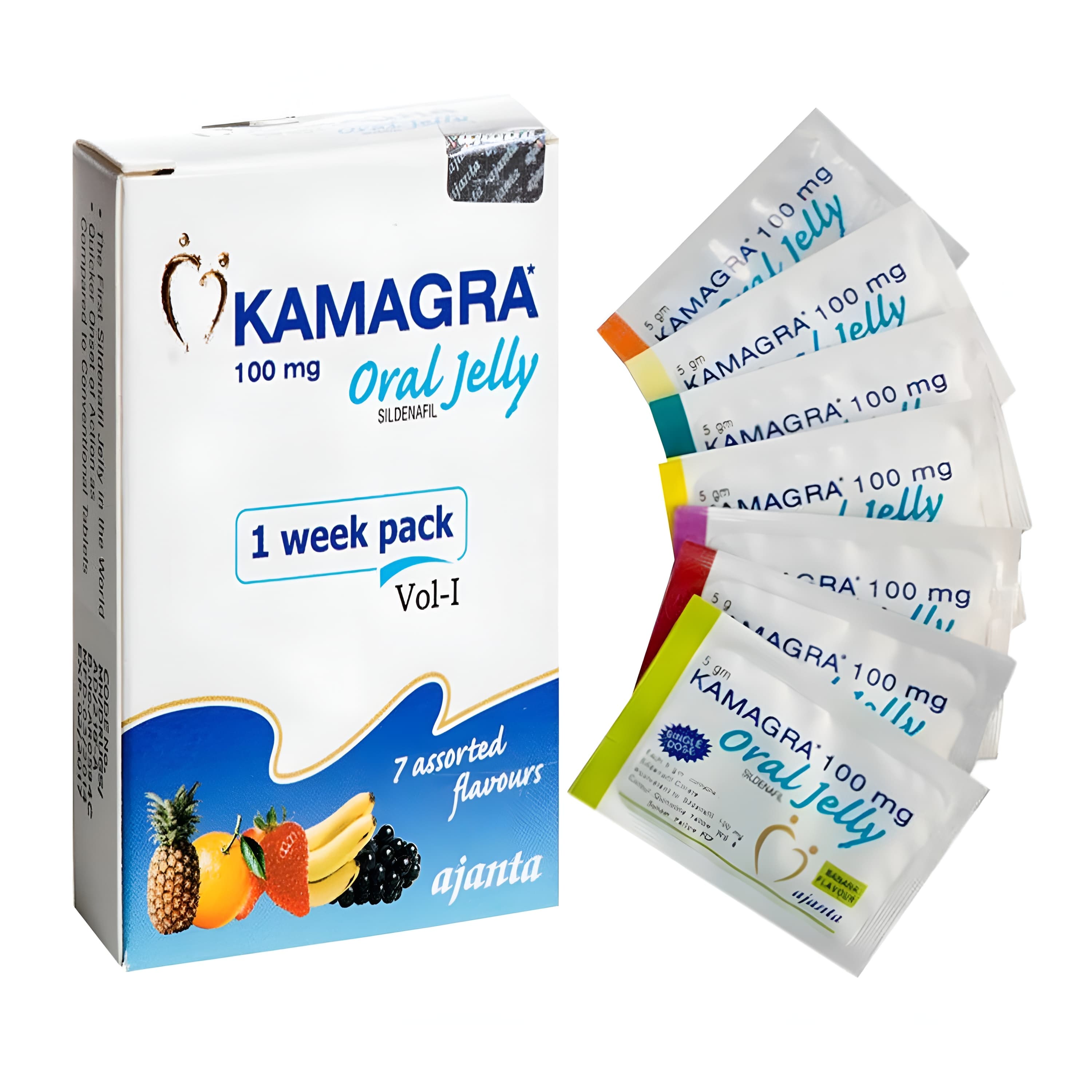
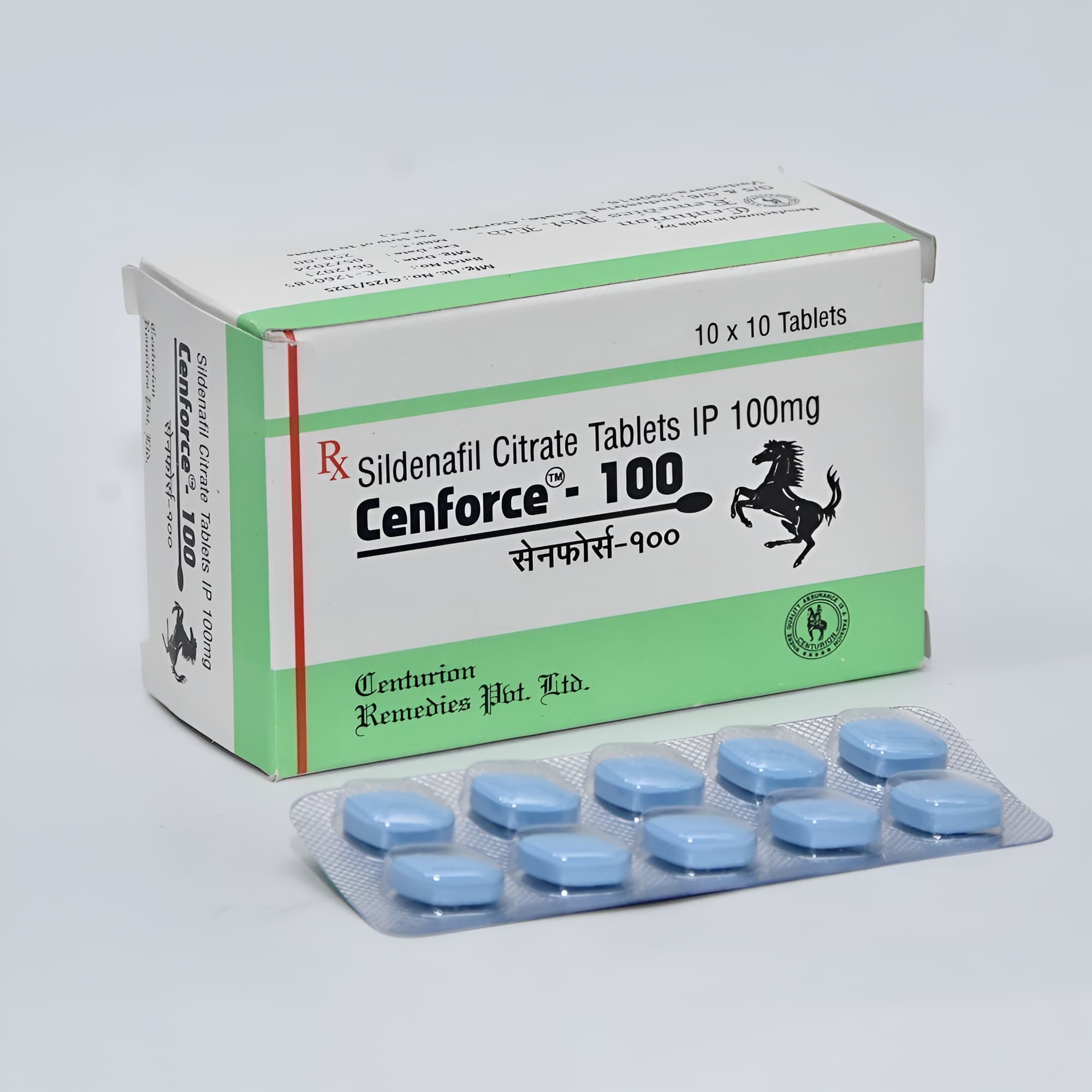
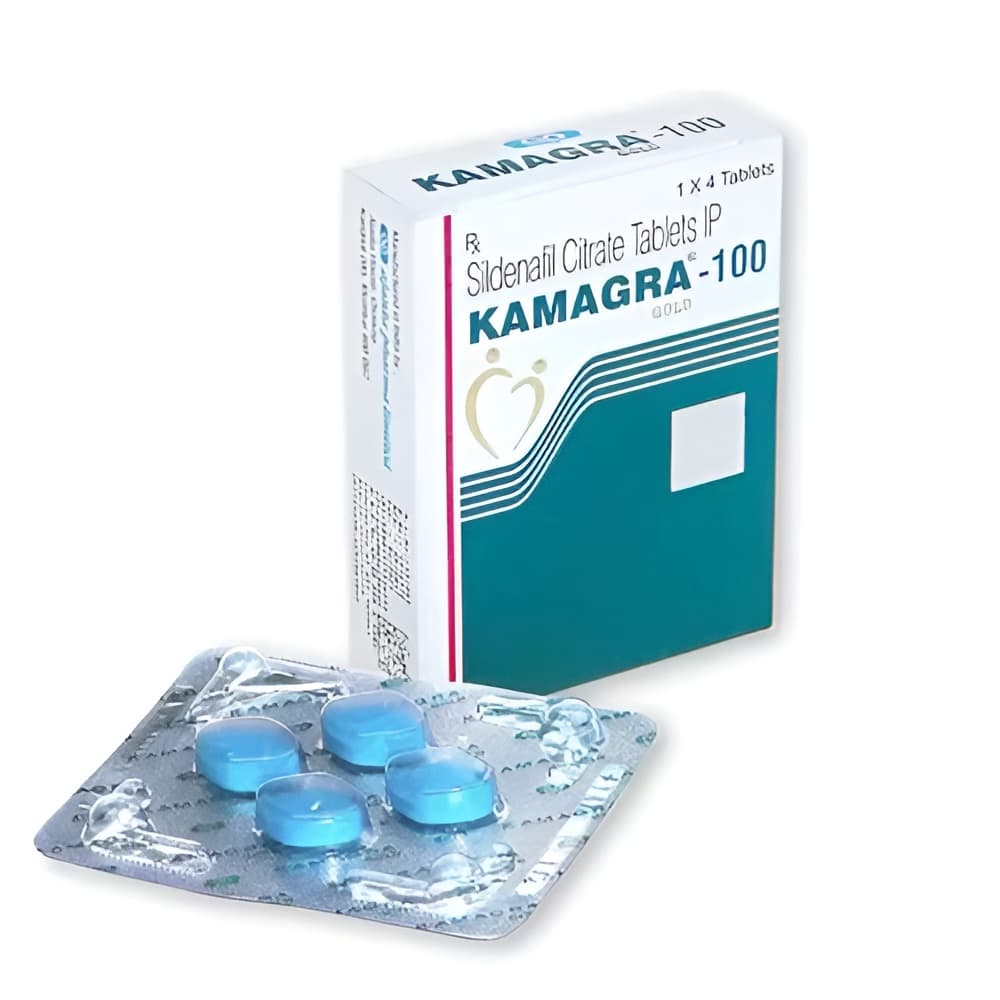
Medicines such as sildenafil, tadalafil, vardenafil and avanafil are commonly used to treat erectile difficulty and work by supporting blood flow into the penis. In Australia, all of these are Schedule 4 Prescription Only Medicines, meaning they can only be supplied with a valid prescription from a registered prescriber. They must never be combined with nitrate medicines, sometimes used for chest pain, as this combination can cause a dangerous drop in blood pressure. A doctor can also advise on how cholesterol-lowering medicines and erectile dysfunction treatments interact, if you're taking both.
The Takeaway
Cholesterol and erectile function are linked through the same blood vessels that carry blood throughout the body. Supporting healthy cholesterol levels through diet, activity, and medical management where appropriate is a sensible long-term step for cardiovascular health, and persistent erectile difficulty is always worth mentioning to a doctor rather than managing in isolation.
This article is general health education, not personal medical advice. Always read the patient leaflet supplied with any medicine and speak with a doctor or pharmacist about your individual circumstances.
Frequently asked questions
Can high cholesterol cause erectile dysfunction?+
High cholesterol, particularly elevated LDL, can contribute to plaque build-up and reduced blood vessel function, both of which can affect erectile function. It's one possible contributing factor among several, not a certain cause.
Will lowering my cholesterol fix erectile dysfunction?+
It may help for some men by supporting better blood flow, but there's no certainty, particularly if other factors such as hormones, mental health, or other medicines are also involved. A doctor can help assess the full picture.
Should I get my cholesterol checked if I have erectile difficulty?+
It's a reasonable thing to ask your doctor about, especially if you haven't had a recent check or have other cardiovascular risk factors, since erectile difficulty can sometimes be an early sign worth investigating.
Do cholesterol medicines interact with erectile dysfunction treatments?+
Your doctor or pharmacist can advise on this based on your specific medicines. Always disclose everything you're taking, including cholesterol-lowering medicines, before starting treatment for erectile difficulty.
What diet changes help both cholesterol and erectile health?+
A diet emphasising vegetables, fruit, wholegrains, legumes, nuts, and healthy fats such as olive oil and fish, while limiting saturated fat and processed foods, supports healthy cholesterol and blood vessel function generally.
Kamagra AUS Health Editorial Team
Plain-English health writing from our in-house editorial team — sourced to the TGA, healthdirect and each medicine's product information, and focused on how Australians actually access and use medicines safely.
How our content is written & reviewedSources for the medical information in this guide
- Healthdirect Australia — Erectile dysfunction — Search "erectile dysfunction" for Australian guidance on causes, treatment options and when to see a doctor.
Related treatments
Browse the medicines and conditions related to this guide:
Mentioned in this guide
Shop the treatments covered here
Genuine medicines from the guide above — discreetly delivered Australia-wide.