The Four PDE5 Inhibitors Compared
Reviewed by the Kamagra AUS Pharmacy Team on 25 June 2026 · Next review June 2027
Summary
Sildenafil, tadalafil, vardenafil and avanafil share a mechanism and a contraindication list, and differ in ways that matter clinically. A plain-English comparison of the class.
On this page
Four molecules dominate the erectile dysfunction category worldwide: sildenafil, tadalafil, vardenafil and avanafil. They share a mechanism, share a contraindication list, and differ in pharmacological detail. This article compares them as a class.
All four are Schedule 4 prescription-only medicines in Australia. Lawful supply requires a prescription from a registered Australian prescriber, and the Therapeutic Goods Administration prohibits advertising prescription-only medicines directly to consumers. No dosing, timing or comparative efficacy information appears here.
What "PDE5 inhibitor" means
Phosphodiesterase type 5 is an enzyme. During arousal the body produces a signalling molecule that causes the smooth muscle in blood vessel walls to relax, allowing blood to flow into and remain in the penis. PDE5 breaks that signalling molecule down. Inhibiting the enzyme means the relaxation signal persists longer than it otherwise would.
Two implications apply to all four molecules equally. They act on a physical mechanism, not on desire — arousal is still required. And where the difficulty is driven mainly by stress, depression or relationship strain, a medicine addresses only part of the picture.
The four molecules
- Sildenafil — the first of the class to reach market, and the most widely recognised. Branded generics include the Cenforce range, such as Cenforce 100.
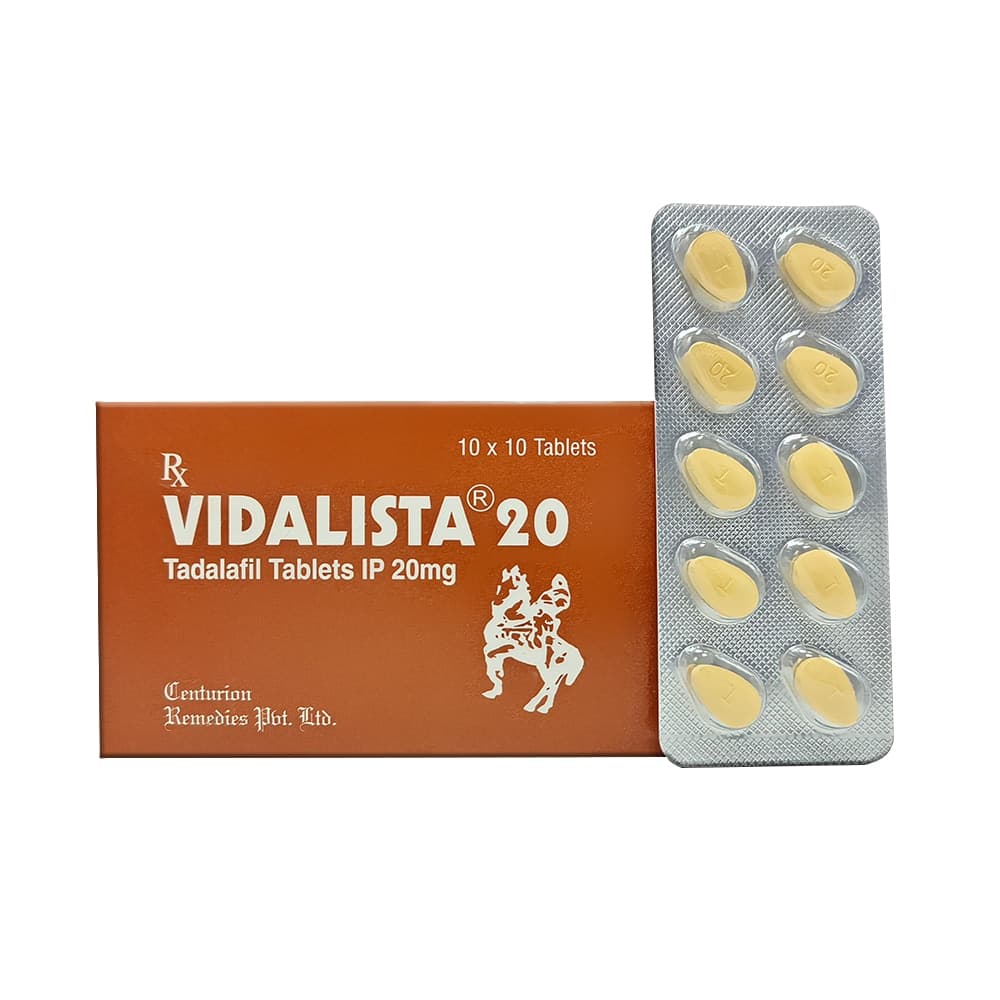
- Tadalafil — notable for a substantially longer half-life than the others, which is why it exists in more than one formulation approach. Branded generics include the Vidalista range, such as Vidalista 20.
- Vardenafil — structurally close to sildenafil, with its own product information and its own interaction considerations, including cautions relating to certain antiarrhythmics and QT interval. Branded generics include Vilitra 20.
- Avanafil — the most recently developed of the four, formulated for greater selectivity for PDE5 over related enzymes. Branded generics include Avana 100.
Ingredient-level background is available on our sildenafil and tadalafil hubs.
Where they genuinely differ
- Duration of presence in the body. Tadalafil's half-life is markedly longer than the other three. This is the largest single difference in the class.
- Selectivity. All four inhibit PDE5, but they differ in how much they also affect related enzymes such as PDE6 (associated with visual effects) and PDE11. Selectivity differences are part of why side effect emphasis varies.
- Food sensitivity. Sildenafil's absorption is more affected by a heavy or fatty meal than tadalafil's; vardenafil and avanafil have their own documented profiles.
- Side effect emphasis. All share headache, facial flushing, nasal congestion, indigestion and dizziness. Back and muscle ache feature more in tadalafil's profile; visual disturbance features more in sildenafil's. Neither list is exhaustive and severity varies between individuals.
- Interaction detail. The class shares the major interactions, but each molecule has specifics — vardenafil's QT considerations being one example — which is exactly why substitution is a prescriber's decision.
Our comparison of vardenafil and how it compares goes further on that molecule specifically.
What they share — the part that matters most
- Nitrates are an absolute contraindication for all four. Glyceryl trinitrate sprays, patches and tablets, isosorbide products and the recreational inhalants known as poppers must never be combined with any PDE5 inhibitor. The resulting drop in blood pressure can be sudden, severe and life-threatening.
- Riociguat is contraindicated across the class.
- Alpha-blockers — prescribed for prostate symptoms or blood pressure — require careful medical management with all four because of the additive blood-pressure effect.
- Significant cardiovascular disease is a class-wide consideration. Recent heart attack, recent stroke, unstable angina, uncontrolled blood pressure and certain arrhythmias change the assessment, because sexual activity itself places demand on the heart.
- Inherited retinal conditions such as retinitis pigmentosa, and significant liver or kidney impairment, must be disclosed for any of them.
- Some antifungals, some antibiotics, HIV protease inhibitors and grapefruit juice can alter blood levels across the class.
The urgent signs, identical for all four
- Chest pain during or after sexual activity. Tell the treating team a PDE5 inhibitor is involved — it rules out nitrates as an emergency treatment.
- An erection lasting more than four hours. A medical emergency; delay can cause permanent damage.
- Sudden loss or reduction of vision, or sudden hearing loss or ringing, in one or both ears.
- Signs of an allergic reaction, such as facial swelling or difficulty breathing.
Why "which is best" has no general answer
Response varies substantially between individuals with similar test results. The underlying cause of the difficulty, vascular condition, diabetes status, hormone levels, kidney and liver function, other medicines, alcohol, sleep and anxiety all contribute. A prescriber commonly reassesses after a period rather than treating the first choice as final. That is normal practice, not a failure.
Using this as consultation vocabulary
The genuinely useful outcome of understanding the class is being able to have a better conversation: knowing that all four share an absolute nitrate contraindication, that they differ mainly in duration and selectivity, and that switching between them is a clinical decision rather than a shopping one.
Browse the erectile dysfunction category for context on what exists in each family. Then speak with your doctor or pharmacist, and use Healthdirect Australia, the Australian Commission on Safety and Quality in Health Care and the TGA as reference points rather than any seller's page.
This article is general educational information about a medicine class, not medical advice, and not a recommendation to use any specific product. Speak with your doctor or pharmacist.
Frequently asked questions
What do the four PDE5 inhibitors have in common?+
They act on the same enzyme in the same pathway, they do not create desire, and they share the same headline safety set — nitrates are an absolute contraindication for all four, riociguat is contraindicated, alpha-blockers need careful management, and significant cardiovascular disease requires assessment.
What is the biggest difference between them?+
Duration. Tadalafil has a substantially longer half-life than sildenafil, vardenafil or avanafil. They also differ in selectivity for related enzymes, in food sensitivity and in the emphasis of their side effect profiles.
Can I switch between them myself?+
No. Each molecule has its own product information and interaction detail, and suitability depends on your medical history and current medicines. Switching is a decision for a registered Australian prescriber.
Kamagra AUS Health Editorial Team
Plain-English health writing from our in-house editorial team — sourced to the TGA, healthdirect and each medicine's product information, and focused on how Australians actually access and use medicines safely.
How our content is written & reviewedSources for the medical information in this guide
- Healthdirect Australia — Sildenafil — Australian guidance on medicines and health conditions — search "sildenafil" for current advice.
- PDE5 Inhibitors — StatPearls, NCBI Bookshelf — Peer-reviewed clinical pharmacology of the whole drug class.
- TGA — Sildenafil product information — Therapeutic Goods Administration — search the TGA's Product Information / ARTG for sildenafil-based products.
Related treatments
Browse the medicines and conditions related to this guide:
Mentioned in this guide
Shop the treatments covered here
Genuine medicines from the guide above — discreetly delivered Australia-wide.