Delayed Ejaculation: An Overview
Reviewed by the Kamagra AUS Pharmacy Team on 13 January 2026 · Next review June 2027
Summary
An honest look at the lesser-known counterpart to premature ejaculation — its causes, and when it's time to see a doctor.
On this page
What is delayed ejaculation?
Delayed ejaculation is the persistent difficulty or inability to reach ejaculation despite adequate stimulation and the desire to do so, or ejaculation that takes an unusually long time and causes distress to one or both partners. It's essentially the mirror image of premature ejaculation, yet it receives far less attention — many men have never heard the term, and some assume "lasting longer" is only ever a good thing, which can make it harder to recognise as a genuine and sometimes frustrating problem.
It can be lifelong (present since a person became sexually active) or acquired (developing after a period of typical function), and situational (only happening in certain circumstances, such as with a partner but not alone) or generalised (happening in all situations). This distinction often points toward different underlying causes.
Possible causes
Delayed ejaculation rarely has one single cause. Contributing factors can include:
- Psychological factors — performance anxiety, relationship difficulties, stress, depression, or a mismatch between the stimulation a person is used to (such as a particular masturbation style) and the stimulation available during partnered sex.
- Medications — a number of medicines are known to delay ejaculation as a side effect, most notably many antidepressants (particularly SSRIs), some blood pressure medicines, and some antipsychotics.
- Nerve-related conditions — diabetes, multiple sclerosis, spinal cord injury and pelvic surgery can all affect the nerve signalling involved in ejaculation.
- Hormonal factors — low testosterone or thyroid conditions are sometimes involved.
- Alcohol and recreational drug use, particularly heavy or chronic use, which can interfere with ejaculatory function.
- Age-related changes — ejaculation can naturally take longer for some men as they get older, which isn't necessarily a disorder unless it's causing distress.
How it differs from premature ejaculation
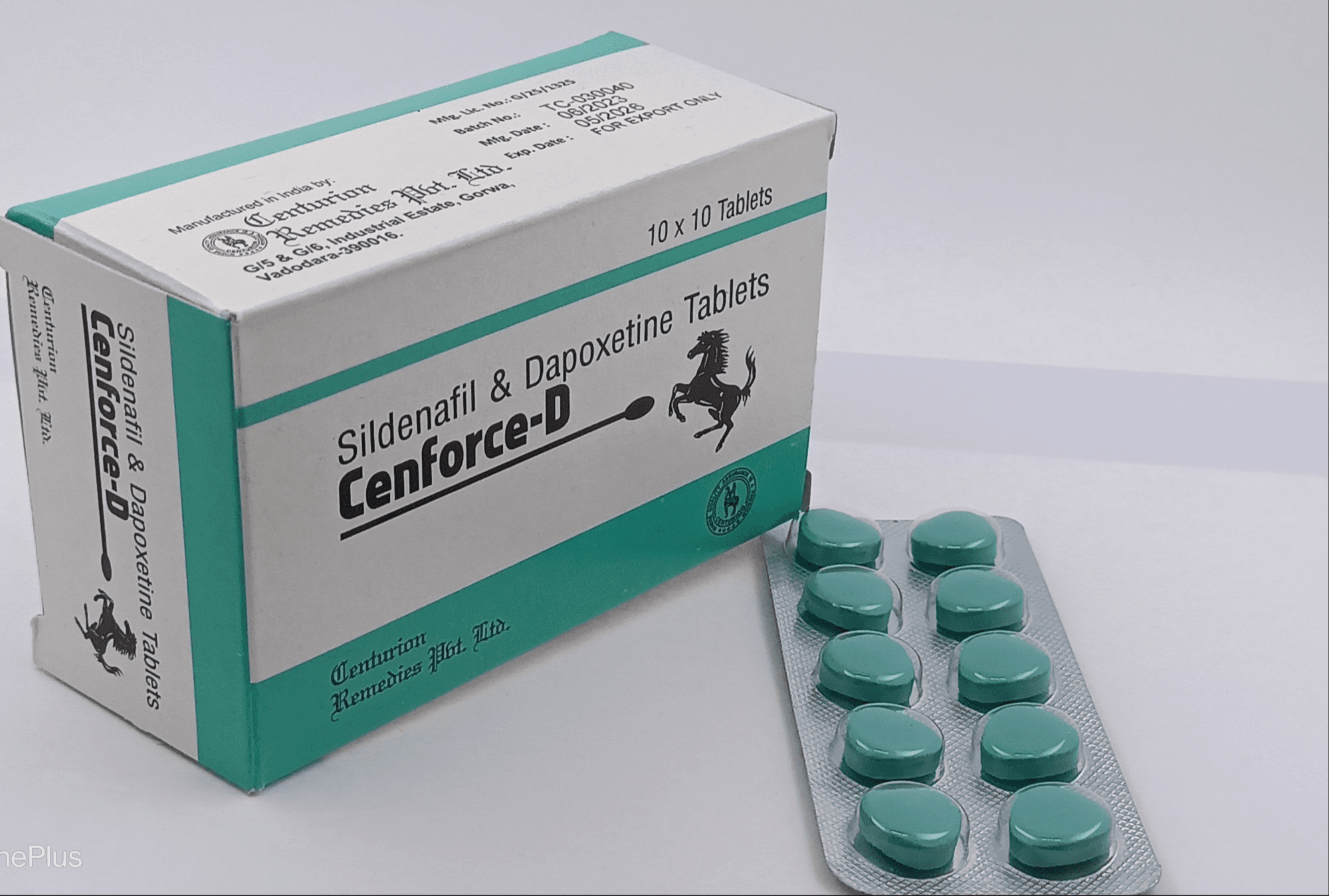
Premature ejaculation and delayed ejaculation sit at opposite ends of the same broad spectrum of ejaculatory function, and they're managed very differently. Where premature ejaculation is generally about ejaculation happening sooner than a person or their partner would like, delayed ejaculation is about it taking longer than wanted, or not happening at all in that encounter. You can read more about the more commonly discussed condition on our premature ejaculation page. Medicines used for premature ejaculation, such as dapoxetine, work by delaying ejaculation — they are not relevant to, and would not help, delayed ejaculation, which needs a different diagnostic approach altogether. Dapoxetine is a Schedule 4 Prescription Only Medicine in Australia used specifically for premature ejaculation under a prescriber's guidance, and it shouldn't be combined with other serotonergic medicines such as certain antidepressants due to the risk of serotonin-related side effects.
When to see a doctor
Delayed ejaculation is worth discussing with a doctor when it's persistent, causing distress or relationship strain, or if it started suddenly after beginning a new medication or noticing other symptoms such as numbness, reduced sensation, or changes in libido. A doctor will typically ask about your medical and medication history, general health, relationship context and psychological wellbeing, and may check hormone levels or refer you to a urologist or a psychosexual therapist depending on what's uncovered. Because medications are such a common contributor, it's important not to stop or change a prescribed medicine yourself — your doctor can discuss alternatives if a medication is suspected to be the cause.
Approaches that may help
Depending on the underlying cause, management can include adjusting or switching a contributing medication under medical supervision, psychosexual counselling (particularly where anxiety, relationship factors or masturbation habits are involved), treating an underlying hormonal or nerve condition, or behavioural approaches to reduce performance pressure and rebuild comfort with different types of stimulation. There isn't a single standard prescription medicine specifically for delayed ejaculation in Australia in the way there is for premature ejaculation, which is part of why a proper diagnostic work-up matters.
Genuinely underserved, genuinely treatable
Delayed ejaculation doesn't get the visibility that premature ejaculation or erectile dysfunction do, but it's a real and often manageable issue once the underlying cause is identified. If it's affecting you, you're not alone, and it's a completely reasonable thing to raise with a GP.
General health information only
This article is general health education, not personal medical advice or a diagnosis. See a doctor for assessment of your individual situation, and always read the patient information leaflet for any prescribed medicine.
Frequently asked questions
What causes delayed ejaculation?+
A range of factors including psychological issues, certain medications (especially antidepressants), nerve-related conditions, hormonal changes, and heavy alcohol or drug use.
Is delayed ejaculation the same as an inability to orgasm?+
They're related but distinct — delayed ejaculation refers specifically to ejaculation timing, whereas orgasm and ejaculation can sometimes be experienced separately.
Can antidepressants cause delayed ejaculation?+
Yes, particularly SSRIs. Don't stop or change a prescribed medicine yourself — speak with your doctor first.
Is there a medicine specifically for delayed ejaculation in Australia?+
There isn't a standard prescription medicine approved specifically for it; treatment instead targets the underlying cause once identified.
When should I see a doctor about delayed ejaculation?+
When it's persistent, causing distress, started suddenly after a medication change, or is accompanied by other symptoms such as numbness or reduced sensation.
Kamagra AUS Health Editorial Team
Plain-English health writing from our in-house editorial team — sourced to the TGA, healthdirect and each medicine's product information, and focused on how Australians actually access and use medicines safely.
How our content is written & reviewedSources for the medical information in this guide
- Healthy Male — Australian Government-funded men's health information body — search the topic for evidence-based guidance.
Related treatments
Browse the medicines and conditions related to this guide:
Mentioned in this guide
Shop the treatments covered here
Genuine medicines from the guide above — discreetly delivered Australia-wide.