How Erections Work: Blood Flow Explained
Reviewed by the Kamagra AUS Pharmacy Team on 23 December 2025 · Next review June 2027
Summary
A clear explanation of the nerve, blood flow and blood vessel mechanisms behind an erection, and why so many health factors can affect it.
On this page
The Short Version
An erection happens when extra blood flows into the penis and gets temporarily trapped there, making it firm. That's the simple summary — but the actual process involves a coordinated sequence of nerve signals, chemical messengers, and changes in blood vessels that most people never had explained clearly. Understanding it makes it much easier to understand why erections can be affected by so many different things, from mood to blood pressure to certain medicines.
The Starting Signal
Sexual arousal — whether from physical touch, thought, or a combination — triggers nerve signals that travel from the brain and local nerves down to the penis. These signals prompt the release of a chemical messenger called nitric oxide within the erectile tissue. This is the crucial first step: without adequate nitric oxide release, the rest of the process can't get going properly, regardless of how aroused someone feels.
What Nitric Oxide Actually Does
Nitric oxide triggers a chain reaction inside the smooth muscle cells that line the blood vessels and erectile tissue of the penis. It raises the level of a molecule called cyclic GMP (cGMP), which causes those smooth muscles to relax. This matters because the penis contains two cylindrical chambers of spongy erectile tissue called the corpora cavernosa, which are normally kept relatively constricted by muscle tone. When the smooth muscle relaxes, the small arteries feeding these chambers widen, and blood flows in far more freely than at rest.
The Trapping Mechanism
Increased blood flow alone wouldn't be enough to sustain an erection — it also needs to stay in place. As the corpora cavernosa fill with blood, they expand against a tough, fibrous outer sheath called the tunica albuginea. This expansion compresses the small veins that would normally drain blood back out of the penis, temporarily restricting outflow while inflow remains high. This is often described as a "veno-occlusive mechanism," and it's the reason an erection can be firm and sustained rather than just a brief surge of blood flow that immediately drains away.
Ending an Erection
An erection subsides once an enzyme called phosphodiesterase type 5 (PDE5) breaks down cGMP, which allows the smooth muscle to contract again, the arteries narrow, and the compressed veins reopen so blood can drain out. This is a normal part of the natural cycle after arousal or orgasm, and this specific enzyme is also the reason PDE5 inhibitor medicines exist and how they get their name.
Where PDE5 Inhibitor Medicines Fit In
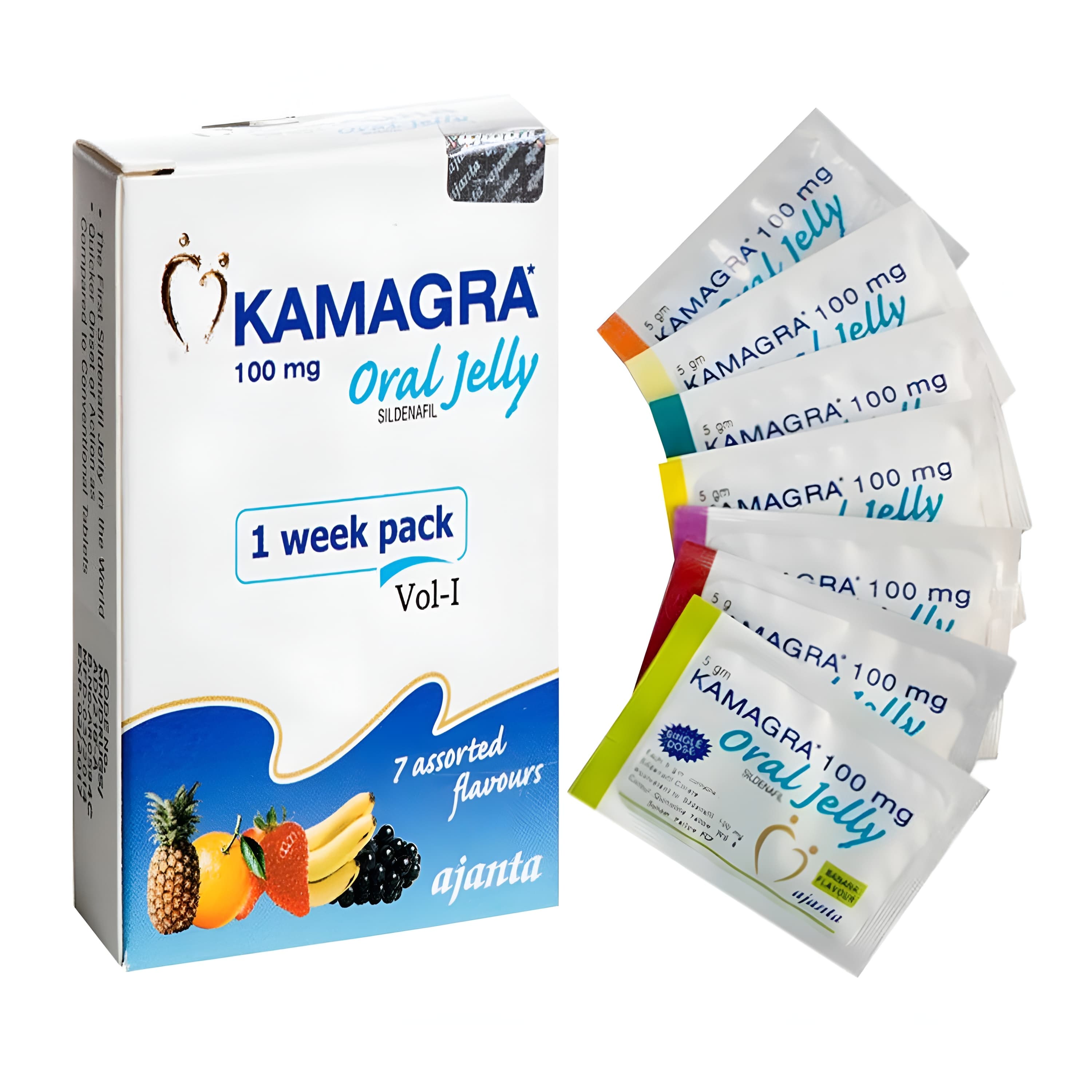
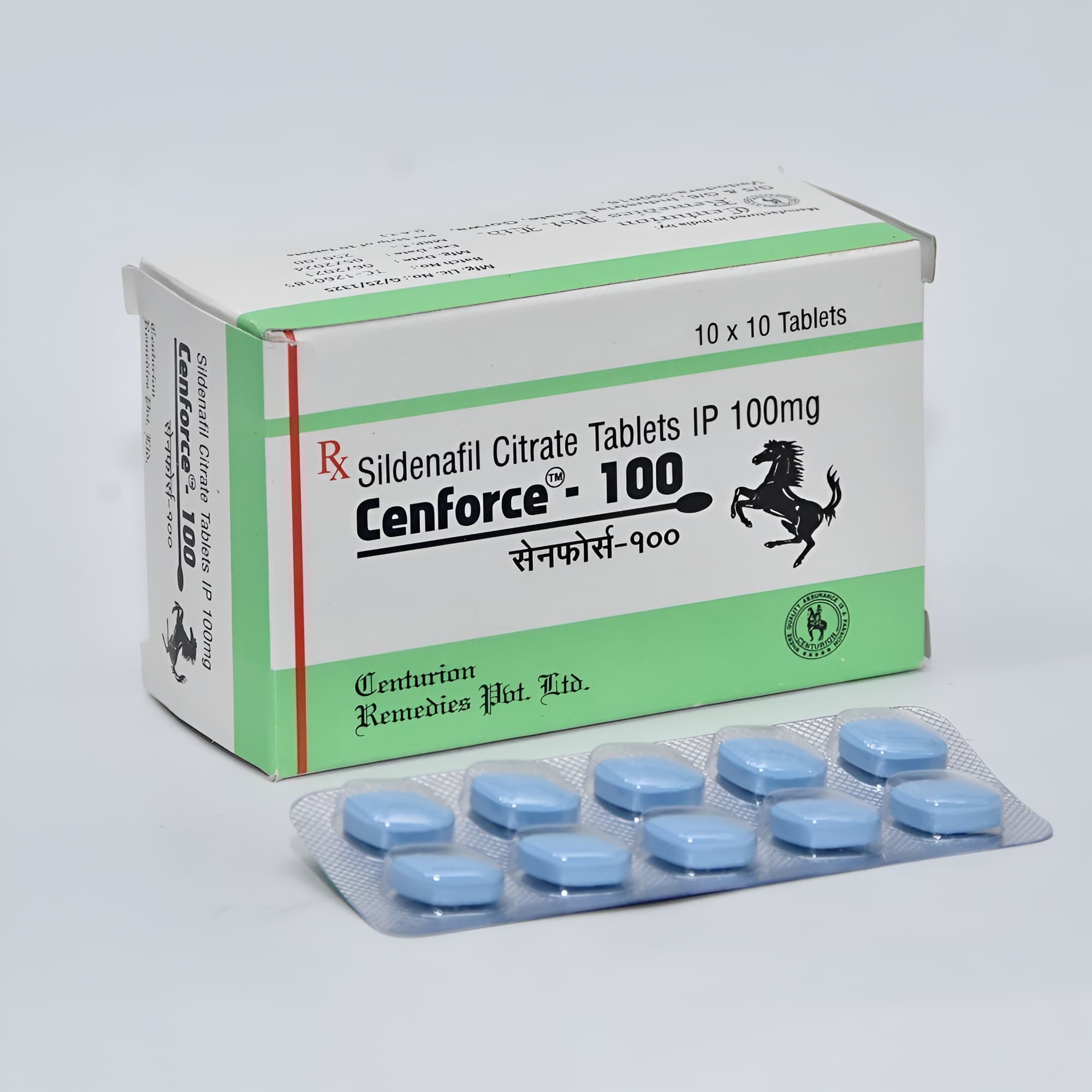
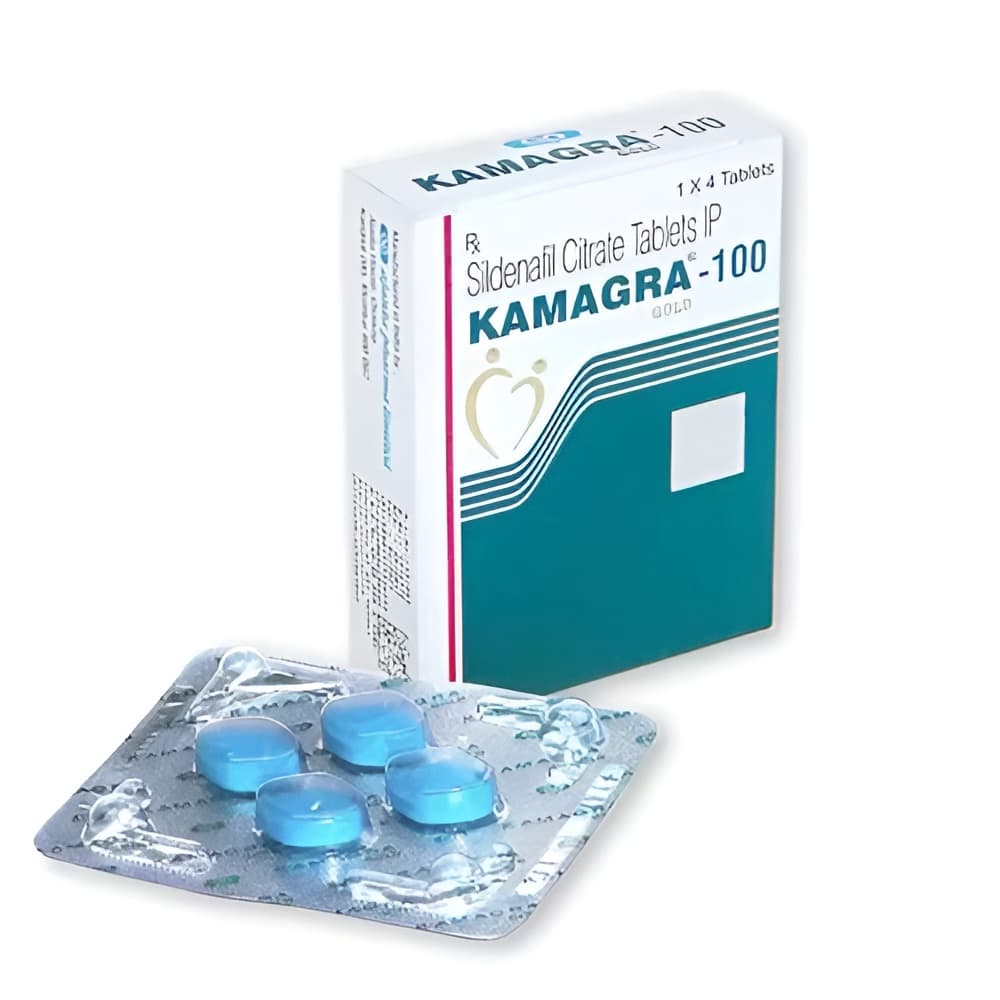
Medicines like sildenafil work by temporarily blocking the PDE5 enzyme, which slows the breakdown of cGMP. This means the smooth muscle relaxation triggered by nitric oxide lasts longer and is more pronounced, making it easier to achieve and maintain an erection in response to stimulation. It's important to understand that these medicines don't create arousal or generate a spontaneous erection out of nothing — the nitric oxide release triggered by sexual stimulation still needs to happen first. The medicine supports and prolongs the natural mechanism rather than replacing it.
All PDE5 inhibitors are Schedule 4 Prescription Only Medicines in Australia, requiring a valid prescription from a registered Australian prescriber, and they must never be combined with nitrate medicines, since both act on the same nitric oxide/cGMP pathway and combining them can cause a dangerous drop in blood pressure.
Why So Many Things Can Interfere
Because achieving an erection depends on healthy nerve signalling, adequate nitric oxide production, responsive blood vessels, and a properly functioning tunica albuginea, disruption at any single point in this chain can affect the outcome. This explains why such a wide range of factors are linked to erectile difficulty:
- Cardiovascular disease and high blood pressure affect the blood vessels themselves
- Diabetes can damage the nerves and blood vessels involved
- Certain medicines interfere with nerve signalling or blood flow regulation
- Psychological stress and anxiety can suppress the nerve signals that start the process
- Smoking damages blood vessel function over time
Learn more about how these factors interact on our erectile dysfunction page.
Why This Matters Beyond Curiosity
Understanding the actual mechanism makes it clearer why erectile difficulty is a genuine physiological event with identifiable contributing factors, not simply a matter of willpower or attraction. It also explains why lifestyle factors that support healthy blood vessels and nerves — regular exercise, not smoking, managing blood pressure and blood sugar — have a real, mechanistic connection to erectile function, and why a doctor's assessment can meaningfully narrow down where in this chain something may have gone differently.
This article is general health education, not personal medical advice. If you're experiencing erectile difficulty, speak with a doctor or pharmacist.
Frequently asked questions
What triggers an erection in the first place?+
Sexual arousal triggers nerve signals that cause the release of nitric oxide in the penis, which starts a chain reaction leading to increased blood flow.
How do ED medicines like sildenafil actually work?+
They temporarily block an enzyme called PDE5, which prolongs the smooth muscle relaxation that nitric oxide triggers. They support the natural process rather than creating arousal or an erection on their own.
Why can't PDE5 inhibitors work without stimulation?+
Because they don't generate the initial nitric oxide release themselves — that still depends on sexual stimulation. The medicine only prolongs and supports the response that stimulation starts.
Why do health conditions like diabetes or high blood pressure affect erections?+
Because they can damage the blood vessels or nerves involved in the erection mechanism, interrupting the chain of events at some point along the way.
What keeps an erection firm rather than it just being a brief rush of blood?+
The expanding erectile tissue compresses the veins that would normally drain blood out, temporarily trapping it in place — known as the veno-occlusive mechanism.
Kamagra AUS Health Editorial Team
Plain-English health writing from our in-house editorial team — sourced to the TGA, healthdirect and each medicine's product information, and focused on how Australians actually access and use medicines safely.
How our content is written & reviewedSources for the medical information in this guide
- Healthdirect Australia — Erectile dysfunction — Search "erectile dysfunction" for Australian guidance on causes, treatment options and when to see a doctor.
Related treatments
Browse the medicines and conditions related to this guide:
Mentioned in this guide
Shop the treatments covered here
Genuine medicines from the guide above — discreetly delivered Australia-wide.