Kamagra Chewable and Effervescent Formats Explained
Reviewed by the Kamagra AUS Pharmacy Team on 9 June 2026 · Next review June 2027
Summary
Two more presentations of the same active ingredient. What a chewable tablet and an effervescent tablet actually are, who they are formulated for, and what neither one changes.
On this page
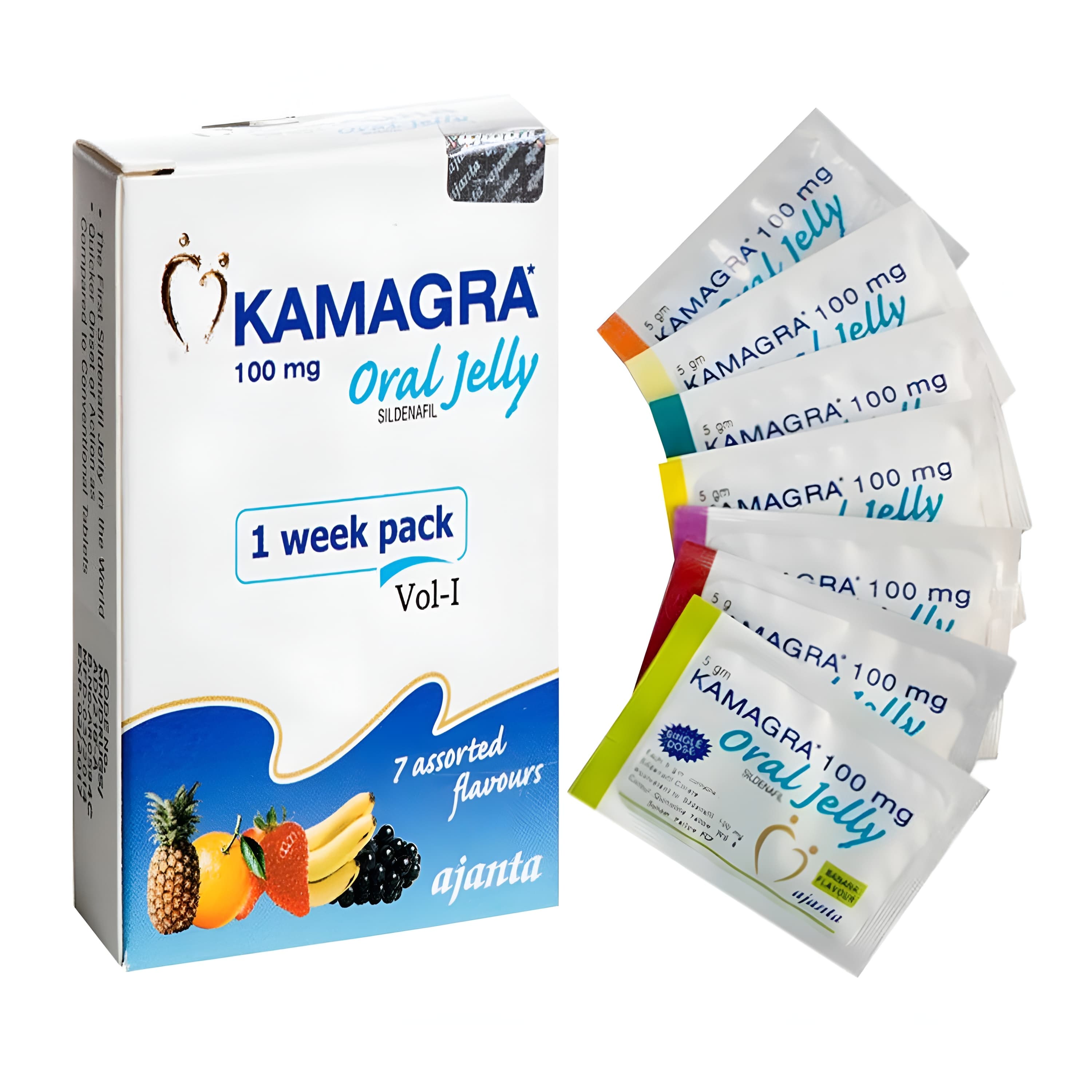
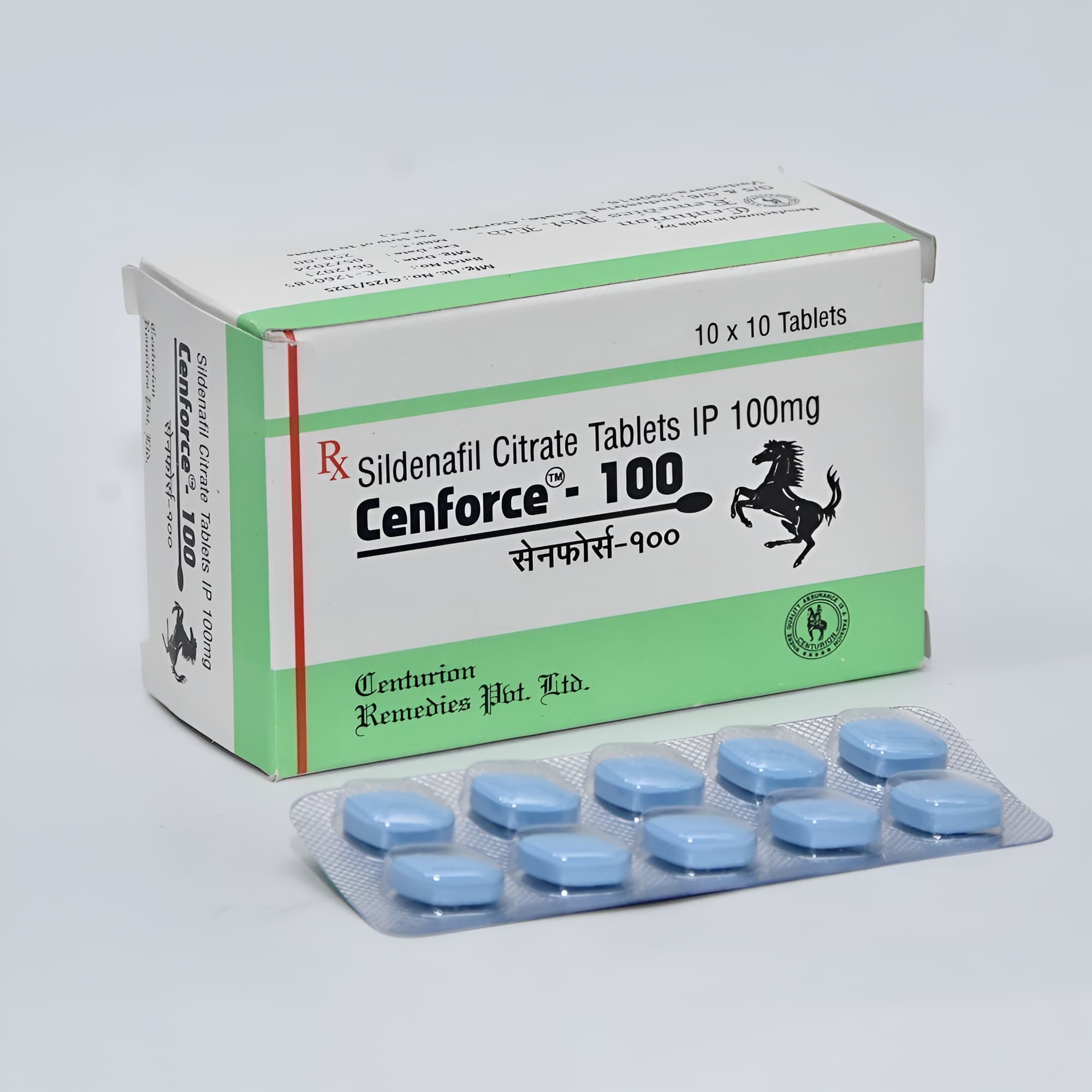
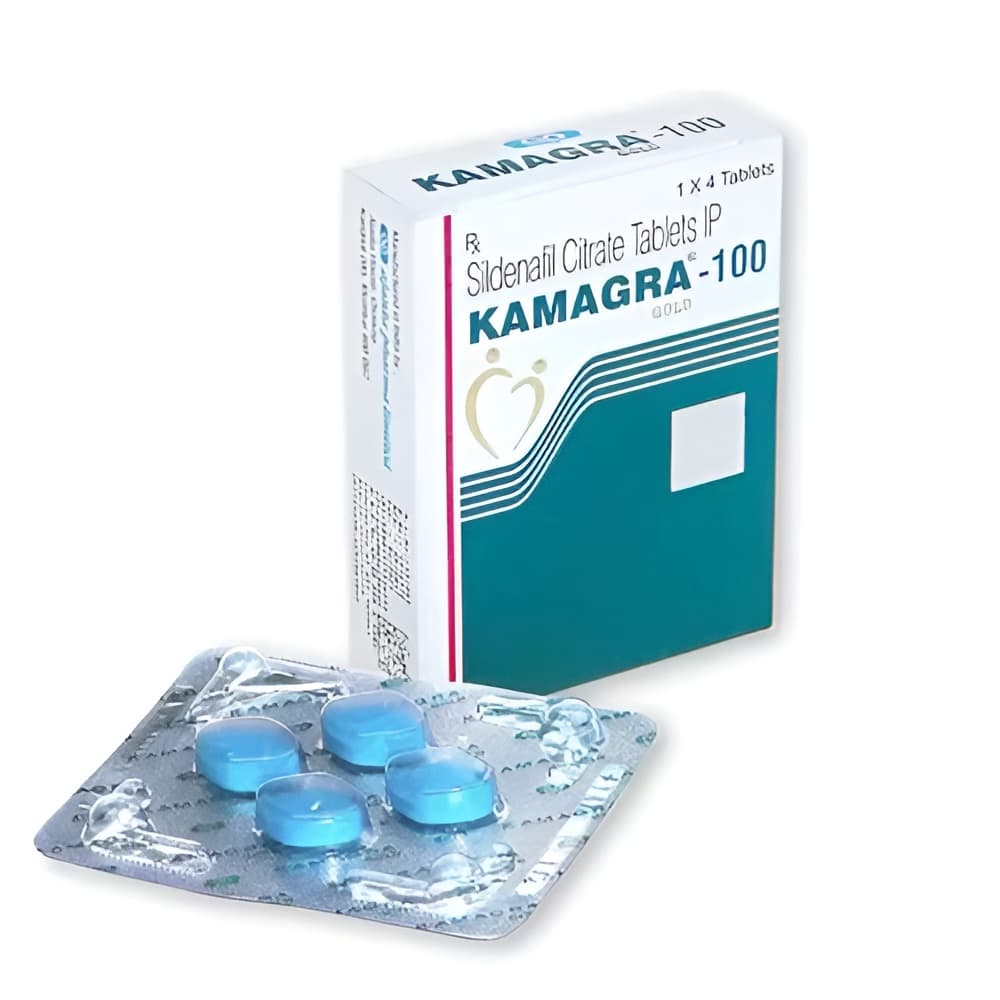
Beyond the conventional tablet and the oral jelly, the Kamagra range includes a chewable tablet and an effervescent tablet. Both are dosage forms — different physical presentations of the same active ingredient. This article explains what each one is, why such formats exist in pharmacy generally, and what they do not change. It contains no dosing guidance.
Start with what is constant
Kamagra Chewable and Kamagra Effervescent both contain sildenafil citrate, the same active ingredient found in the conventional tablet and in Kamagra Oral Jelly.
Sildenafil is a Schedule 4 — prescription-only — medicine in Australia. That classification attaches to the ingredient, so it applies to every format containing it. Lawful supply requires a prescription from a registered Australian prescriber, and the TGA prohibits advertising prescription-only medicines directly to consumers.
What a chewable tablet actually is
A chewable tablet is compressed to be broken down by chewing rather than swallowed whole. That changes the formulation problem in three ways:
- No functional film coating. A coating exists partly to mask taste and partly to control where a tablet breaks down. Chew it and the coating is irrelevant, so the taste has to be handled inside the tablet with sweeteners and flavours.
- Different binders and disintegrants. The tablet must hold together in a blister and break down cleanly under chewing, which is a different mechanical brief from a swallowed tablet.
- Mouthfeel matters. Grittiness and chalkiness are formulation failures in a chewable in a way they are not in a swallowed tablet.
Chewables exist across pharmacy — antacids, some antihistamines, paediatric formulations — because a meaningful number of people find swallowing tablets difficult or unpleasant.
What an effervescent tablet actually is
An effervescent tablet is designed to be dissolved in water before being taken. It contains an acid component and a carbonate or bicarbonate source; add water and they react, releasing carbon dioxide, which is the fizzing you see. The reaction breaks the tablet apart and disperses its contents through the liquid.
The consequences are worth knowing:
- They are moisture-sensitive. The same reaction that disperses the tablet in a glass will start slowly in a humid cupboard. This is why effervescent tablets are packaged in sealed tubes or foil sleeves, often with a desiccant, and why the packaging should be closed immediately after taking one out.
- They carry the salt of the reaction. Effervescent formulations typically contain sodium or potassium salts as part of the fizzing system. Anyone on a sodium-restricted diet, or with kidney disease, heart failure or high blood pressure, should raise that specifically with a pharmacist — it is a genuine consideration, not a technicality.
- They must be fully dissolved. A partially dissolved tablet is a partially taken product.
Effervescent forms are common in pharmacy for the same reason chewables are: they suit people who do not get on with swallowing solid tablets, and some people simply prefer them.
Why multiple formats exist at all
The honest answer is patient preference and practicality, not pharmacology. Formulation science exists to get an ingredient into a form that people will actually take reliably. Swallowing difficulty is common — it rises with age, and affects people with certain neurological, oesophageal or dental conditions — and a medicine that goes untaken helps nobody.
Our guide on why the oral jelly format exists covers that ground in more depth, and the same reasoning applies to chewables and effervescents.
What these formats do not change
- The active ingredient is the same.
- The labelled strength is what the number on the pack says, and a different format at the same labelled strength is labelled as containing the same amount.
- The prescription requirement is unchanged.
- The contraindications are unchanged.
- The interactions are unchanged.
- The recognised side-effect profile is unchanged.
- Arousal is still required for the underlying mechanism to be engaged.
Marketing sometimes implies that a format is inherently superior. Treat that as a claim about convenience at best.
Storage differences that matter in Australia
- Chewables should stay in their blister until taken, in a cool, dry, dark place. They have no protective coating, so exposure to humidity and light matters more than for a coated tablet.
- Effervescents are the most moisture-sensitive format in the range. Keep the tube or sleeve tightly closed, do not remove the desiccant, and avoid the bathroom entirely.
- All formats should be kept out of reach of children — flavoured and fizzing presentations are more attractive to a child than a plain tablet, which is a real hazard.
Our guide on storing medicines safely in the Australian climate covers the household picture.
The safety framework, unchanged by format
- Nitrates are an absolute contraindication. Glyceryl trinitrate sprays, patches and tablets, isosorbide products and the inhalants known as poppers must never be combined with a PDE5 inhibitor. The combination can cause a severe and potentially life-threatening fall in blood pressure. Riociguat is also contraindicated.
- Alpha-blockers require careful medical management because of the added blood-pressure effect.
- Significant cardiovascular disease — recent heart attack or stroke, unstable angina, uncontrolled hypertension, certain arrhythmias — must be assessed before any PDE5 inhibitor is considered.
- Inherited retinal conditions and significant liver or kidney impairment need to be raised with a prescriber.
Some antifungals, macrolide antibiotics, HIV protease inhibitors and grapefruit juice affect how sildenafil is processed by the body.
Seek urgent medical care for chest pain during or after sexual activity, an erection lasting more than four hours, or any sudden loss or reduction of vision or hearing. Tell emergency staff you have taken a PDE5 inhibitor, because nitrates cannot then be given.
Choosing a format is still a conversation
Which presentation suits a person takes in swallowing ability, dietary restrictions such as sodium limits, allergies to specific excipients, storage conditions at home and cost. A pharmacist can work through all of it quickly and at no charge, and a prescriber decides whether a medicine of this class is appropriate at all.
The full erectile dysfunction range and the sildenafil ingredient hub cover the wider context. Healthdirect Australia and the Australian Commission on Safety and Quality in Health Care publish independent material on medicine formats and safety.
Speak with your doctor or pharmacist before starting, stopping or changing any medicine.
This article is general educational information about medicine formulation, not medical advice, and not a recommendation to use any specific product or format. Speak with your doctor or pharmacist.
Frequently asked questions
What is the difference between a chewable and an effervescent tablet?+
A chewable is compressed to be broken down by chewing, with taste handled inside the tablet rather than by a coating. An effervescent is dissolved in water first, using an acid and a carbonate source that react to disperse the tablet.
Why do effervescent tablets need special storage?+
The acid and carbonate reaction that disperses the tablet in water will also start slowly in humid air. That is why they come in sealed tubes or foil sleeves with a desiccant, and why the packaging should be closed immediately after removing one.
Is there a salt consideration with effervescent formulations?+
Yes. Effervescent formulations typically contain sodium or potassium salts as part of the fizzing system. Anyone on a sodium-restricted diet, or with kidney disease, heart failure or high blood pressure, should raise this with a pharmacist.
Do these formats change the medicine in any way?+
No. The active ingredient, the meaning of the labelled strength, the prescription requirement, the contraindications, the interactions and the recognised side-effect profile are all unchanged. Format is a presentation choice.
Kamagra AUS Health Editorial Team
Plain-English health writing from our in-house editorial team — sourced to the TGA, healthdirect and each medicine's product information, and focused on how Australians actually access and use medicines safely.
How our content is written & reviewedSources for the medical information in this guide
- Healthdirect Australia — Sildenafil — Australian guidance on medicines and health conditions — search "sildenafil" for current advice.
- PDE5 Inhibitors — StatPearls, NCBI Bookshelf — Peer-reviewed clinical pharmacology of the whole drug class.
- TGA — Sildenafil product information — Therapeutic Goods Administration — search the TGA's Product Information / ARTG for sildenafil-based products.
Related treatments
Browse the medicines and conditions related to this guide:
Mentioned in this guide
Shop the treatments covered here
Genuine medicines from the guide above — discreetly delivered Australia-wide.