Generic Equivalent: What It Means in Australia
Reviewed by the Kamagra AUS Pharmacy Team on 26 June 2026 · Next review June 2027
Summary
'Generic equivalent' is a regulatory term with a specific meaning — and several things it does not mean. What bioequivalence, the ARTG and substitution actually involve.
On this page
"Generic equivalent" appears constantly in medicine marketing, and it is a term with a precise regulatory meaning that most consumer pages never explain. Understanding it is genuinely useful, because it tells you what has been assessed and what has not.
The medicines discussed here — sildenafil, tadalafil, vardenafil and avanafil — are Schedule 4 prescription-only in Australia. Lawful supply requires a prescription from a registered Australian prescriber, and the Therapeutic Goods Administration prohibits advertising prescription-only medicines directly to consumers.
The three words, unpacked
- Generic means a product containing an active ingredient whose originator patents have expired, produced by a manufacturer other than the original developer.
- Equivalent is the claim being made: that the product performs comparably to a reference product.
- Together they describe a product intended to be interchangeable with a reference product, subject to a regulator's assessment.
Note what is doing the work: the assessment. Without it, "generic equivalent" is a marketing phrase. Our explainer on what generic medicine actually means in Australia covers the wider concept.
Bioequivalence, in plain English
The core technical concept is bioequivalence. Rather than repeating the originator's efficacy trials — the molecule's behaviour is already established — a regulator asks whether the generic delivers the active ingredient into the bloodstream in a manner sufficiently similar to the reference product.
That is assessed with pharmacokinetic data from studies in volunteers, measuring how blood concentration of the ingredient rises and falls over time and comparing the two products against defined statistical criteria.
Two things follow, and both matter:
- Bioequivalence is product-specific. It attaches to one formulation from one manufacturer, not to a brand family or to a manufacturer generally.
- Bioequivalence is jurisdiction-specific. An assessment by one regulator is not an assessment by another. A product assessed overseas has not thereby been assessed in Australia.
What the ARTG records
The Australian Register of Therapeutic Goods is the TGA's register of therapeutic goods that may lawfully be supplied in Australia. Entry is applied for by an Australian sponsor and is specific to a product and a sponsor.
This is the practical checkpoint for an Australian consumer. It is searchable, and a pharmacist can help you interpret an entry. What it is not is a general quality rating of a manufacturer, or something implied by the existence of a brand.
What is the same in a genuine generic
- The active ingredient — the same molecule, at the labelled strength stated.
- The mechanism — identical, because the molecule is identical.
- The contraindications and interactions — these attach to the molecule.
- The recognised side effect profile — likewise.
- The prescription requirement — Schedule 4 attaches to the ingredient.
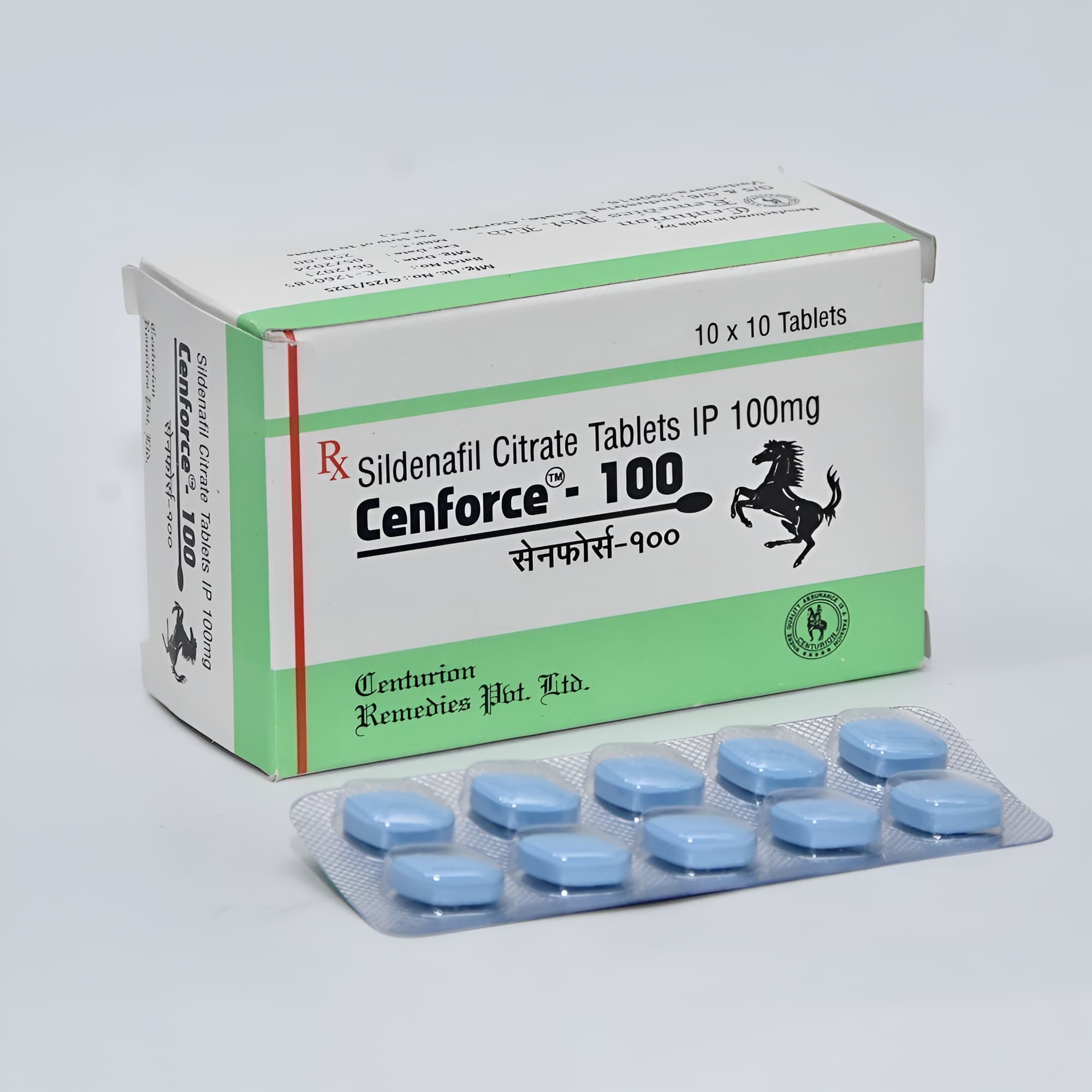
Products such as Cenforce 100 and Vidalista 20 are branded generics of sildenafil and tadalafil respectively; the number is the labelled strength declaration on the pack.
What differs
- Excipients. Binders, fillers, coatings, colourings and flavourings vary by manufacturer, which matters for allergies and intolerances. If you have reacted to a product before, tell your pharmacist — the excipient may be the culprit rather than the active ingredient.
- Appearance. Shape, colour and debossing differ, because trade dress remains protected.
- Price. Usually substantially. Our piece on why generics cost less explains the economics: absent development costs, competition between makers, and lower marketing spend.
- Available presentations. Generic manufacturers often make formats the originator does not.
- Australian regulatory status, which varies product by product.
Substitution at the chemist
In Australian practice, substitution between a brand and a generic at the point of dispensing is a recognised process with rules around it, and it involves the pharmacist and the prescriber. Two points are worth knowing:
- A prescriber can indicate that substitution is not appropriate for a particular patient.
- Repeated switching between visually different products can cause confusion, especially for people managing several medicines. Raise it with your pharmacist if it is an issue.
What "generic equivalent" does not mean
- It does not mean "no prescription needed". Scheduling attaches to the ingredient.
- It does not mean lower quality — nor does it guarantee quality on its own. The assessment does the guaranteeing, not the word.
- It does not mean identical in every respect. Excipients and appearance differ by design.
- It does not mean assessed in Australia unless the specific product is on the ARTG.
The safety picture, unchanged by the word "generic"
- Nitrates are an absolute contraindication for every product in this class — glyceryl trinitrate, isosorbide products and the inhalants known as poppers included. The blood pressure drop can be severe and life-threatening.
- Riociguat is contraindicated.
- Alpha-blockers require careful medical management.
- Significant cardiovascular disease — recent heart attack or stroke, unstable angina, uncontrolled blood pressure, certain arrhythmias — needs a doctor's assessment.
Seek urgent care for chest pain during or after sexual activity, an erection lasting more than four hours, or sudden loss or reduction of vision or hearing.
Using the term well
When you see "generic equivalent", the question to ask is: equivalent to what, assessed by whom, and recorded where. Those three answers turn a marketing phrase into information. Browse the erectile dysfunction category for context, check the ARTG for regulatory status, and speak with your doctor or pharmacist about what is appropriate for you.
This article is general educational information about medicine regulation, not medical advice, and not a recommendation to use any specific product. Speak with your doctor or pharmacist.
Frequently asked questions
What does bioequivalence actually test?+
Whether a generic delivers the active ingredient into the bloodstream in a manner sufficiently similar to a reference product, assessed with pharmacokinetic data against defined criteria. It is product-specific and jurisdiction-specific — an assessment by one regulator is not an assessment by another.
Does 'generic equivalent' mean a prescription is not needed?+
No. Scheduling attaches to the active ingredient, so sildenafil, tadalafil, vardenafil and avanafil remain Schedule 4 prescription-only in Australia whatever brand is on the box.
Why do generics look different from the original brand?+
Trade dress — tablet shape, colour and markings — remains protected after patents expire, and excipients differ by manufacturer. Those differences are by design and do not indicate a different active ingredient.
Kamagra AUS Health Editorial Team
Plain-English health writing from our in-house editorial team — pharmacist-reviewed, focused on how Australians actually access and use medicines safely.
Related treatments
Browse the medicines and conditions related to this guide:
Mentioned in this guide
Shop the treatments covered here
Genuine medicines from the guide above — discreetly delivered Australia-wide.