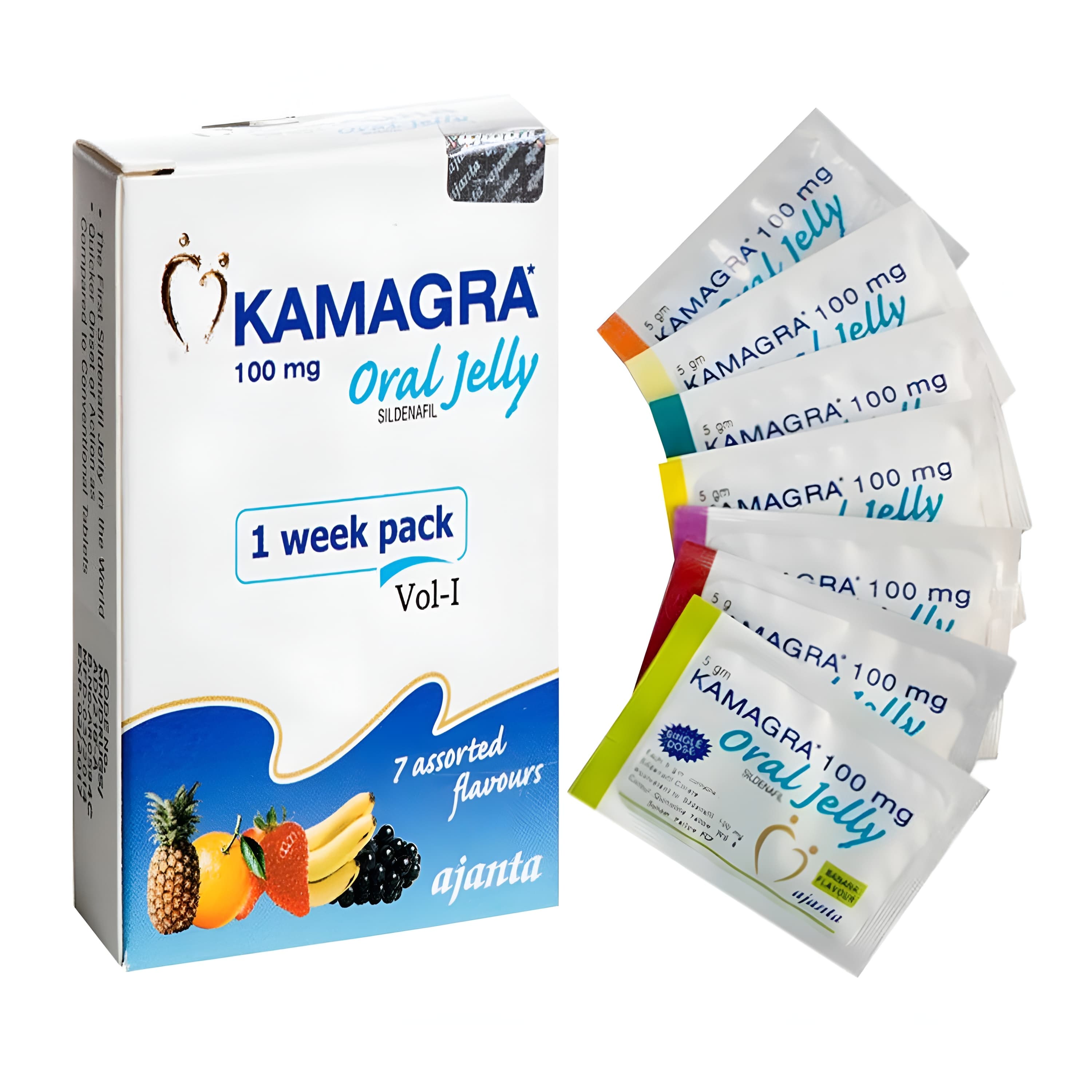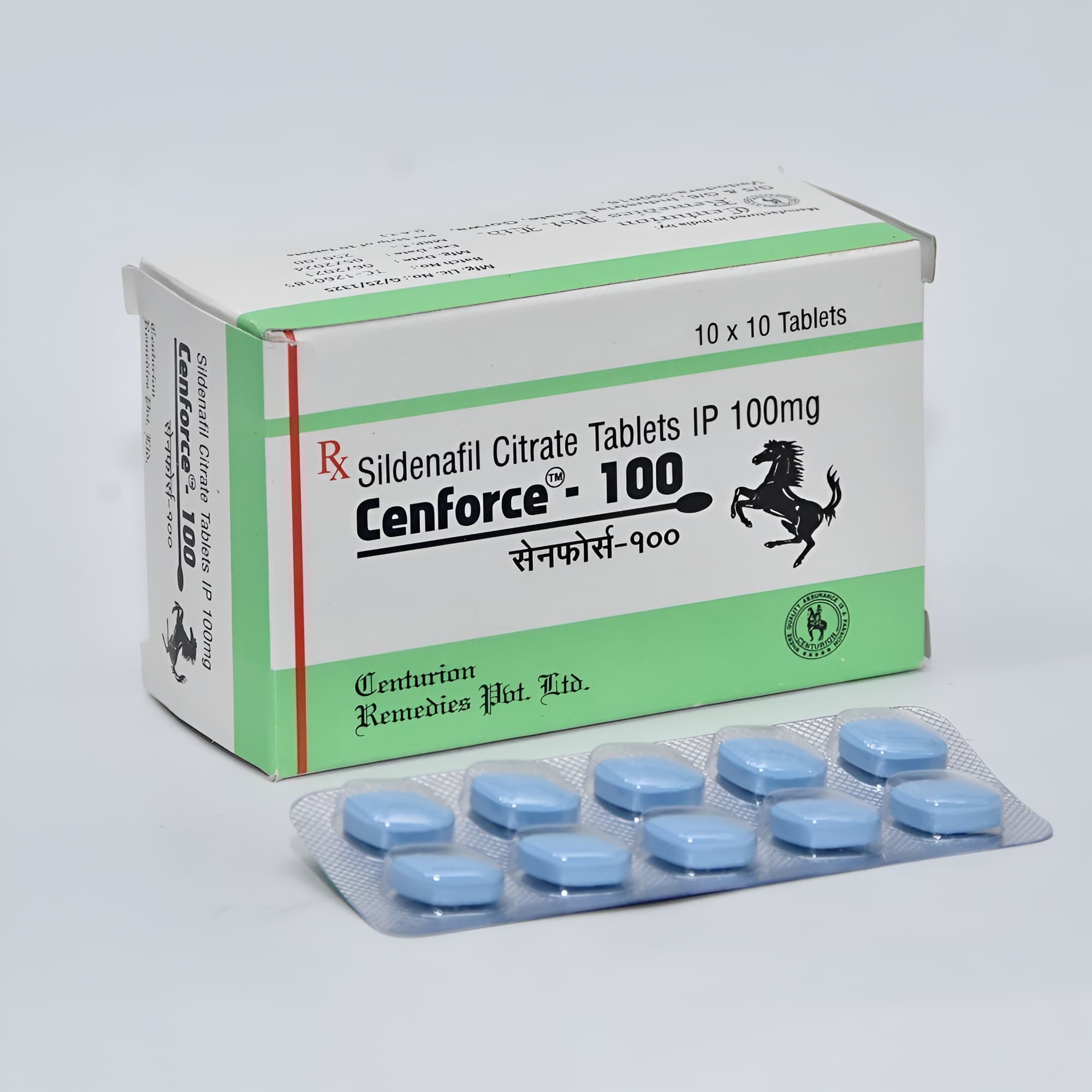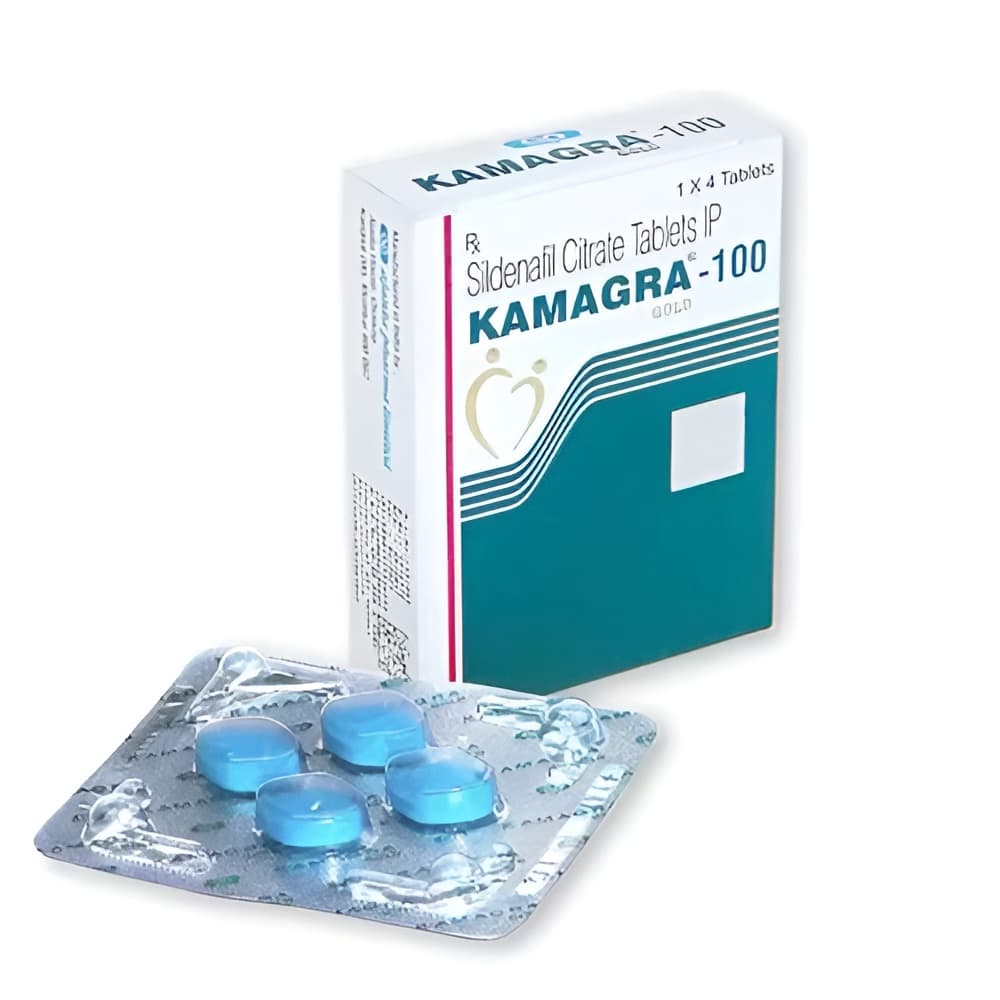
Why ED Medication Sometimes Doesn't Work
Reviewed by the Kamagra AUS Pharmacy Team on 17 December 2025 · Next review June 2027
Summary
ED medicines don't work for everyone every time — here's an honest look at the common, fixable reasons, and when it's time to see a doctor rather than buy more.
On this page
- It's more common than you'd think
- Arousal is still required
- Timing relative to food and alcohol
- Not taking it as directed
- Underlying causes the medicine doesn't address
- Medicine interactions or contraindications
- Realistic expectations matter
- Psychological factors deserve real attention
- Sleep, general health and lifestyle factors
- When to see a doctor rather than buy more
- The bottom line
It's more common than you'd think
ED medicine can fail to work as expected for several distinct reasons — timing, dosage, food intake, insufficient stimulation, or an underlying health factor — and a single unsuccessful attempt doesn't mean the medicine itself has "failed" or that a stronger option is automatically the answer. Some of these reasons are easy to fix; others are worth discussing with a doctor.
Arousal is still required
This is the single most misunderstood point about medicines used for erectile dysfunction: they don't create an erection on their own. PDE5 inhibitors support the body's natural physiological response to sexual arousal — they don't replace the need for it. Without adequate stimulation, physical or psychological, the medicine has nothing to amplify. Stress, distraction, a new partner, performance anxiety, or simply not being in the mood can all mean a dose "doesn't work" even though it's functioning exactly as intended.
Timing relative to food and alcohol
- A heavy or high-fat meal can delay how quickly some PDE5 inhibitors are absorbed, pushing back when the effect kicks in — or someone might give up before it takes hold.
- Alcohol, especially in larger amounts, can itself interfere with erectile function and can blunt or complicate a medicine's effect.
- Taking the dose too close to the anticipated activity, without allowing enough time for absorption, is a common and fixable timing issue.
Not taking it as directed
Doses that are skipped, halved, or taken inconsistently make it harder to judge whether a medicine is actually working. This is worth being honest with your prescriber about — they can only help troubleshoot based on accurate information about how the medicine was actually used.
Underlying causes the medicine doesn't address
PDE5 inhibitors support blood flow to support an erection, but they don't treat the underlying cause of ED. If the underlying driver is significant — cardiovascular disease, uncontrolled diabetes, hormonal issues (like low testosterone), certain neurological conditions, or a psychological factor like anxiety or depression — medicine alone may not fully resolve the issue, or may work less consistently than expected. This is exactly the kind of pattern a doctor should assess directly rather than something to solve by trying a higher dose repeatedly.
Medicine interactions or contraindications
Some other medicines can reduce the effectiveness of PDE5 inhibitors or make them less predictable. This is another reason to keep your prescriber updated on your full medicine list any time something changes.
Realistic expectations matter
Even when everything is done "right," ED medicines don't guarantee an outcome every single time — no medicine or technique in this space comes with a guarantee, and it's honest to say so. A single unsuccessful attempt isn't necessarily meaningful. A consistent pattern of it not working is.
Psychological factors deserve real attention
It's tempting to treat ED as a purely physical issue, but performance anxiety in particular can become a self-reinforcing cycle: one unsuccessful attempt creates worry about the next one, which itself interferes with arousal, regardless of whether the medicine is working exactly as intended. This is genuinely common and nothing to be embarrassed about — a doctor, and in some cases a psychologist or counsellor, can help address this side of things directly rather than leaving medicine to do a job it isn't designed for on its own.
Sleep, general health and lifestyle factors
Erectile function is connected to overall cardiovascular and metabolic health. Poor sleep, high stress, heavy smoking, excessive alcohol use, and lack of physical activity can all make ED more likely or harder to manage, even alongside medicine. None of these are guaranteed fixes on their own — describing lifestyle change as a cure would be misleading — but general health improvements can meaningfully support any treatment a doctor recommends, and are worth discussing as part of a broader plan rather than as an afterthought.
When to see a doctor rather than buy more
It's worth booking an appointment, rather than simply trying a higher dose or a different product, if:
- The medicine hasn't worked consistently across several genuine attempts, taken correctly
- You're noticing other symptoms alongside ED — such as chest pain, unusual fatigue, changes in libido, or urinary symptoms
- You suspect an interaction with another medicine you're taking
- The issue seems tied to anxiety, low mood, or relationship stress that hasn't been addressed
- You have underlying health conditions (diabetes, heart disease, high blood pressure) that haven't been recently reviewed
A doctor can assess whether the dose, the medicine, or a different underlying cause needs attention — something no amount of self-adjusting will reliably achieve.
The bottom line
ED medicine not working on a given occasion is common and usually explainable — arousal, timing, food, alcohol, or inconsistent use are the frequent culprits. But a persistent pattern deserves a proper medical look, not just a bigger dose or a different brand. Always read the patient leaflet, and speak with a doctor if things aren't improving. See the erectile dysfunction category for the range of prescription options available, all of which require a valid Australian prescription.
This article is general health education, not personal medical advice. See a doctor for an assessment if ED medicine isn't working consistently for you.
Frequently asked questions
Why didn't the medicine work even though I took it correctly?+
Arousal is still required for any PDE5 inhibitor to work — it supports the body's natural response rather than creating one independently. A single unsuccessful attempt can also come down to timing, food, alcohol or stress.
Should I just try a higher dose if it doesn't work?+
Don't adjust your own dose. Speak with your prescriber, who can assess whether a different dose, medicine or an underlying cause needs attention.
Can anxiety really stop the medicine from working?+
Yes — psychological factors like performance anxiety or stress can interfere with arousal, which the medicine depends on to have an effect.
How many times should I try before seeing a doctor?+
There's no fixed number, but a consistent pattern of it not working across several genuine attempts, taken as directed, is a reasonable point to book an appointment rather than keep self-adjusting.
Could it be a sign of a bigger health problem?+
It can be. ED is sometimes an early indicator of cardiovascular or hormonal issues, so persistent difficulty is worth a proper medical assessment rather than just more medicine.
Kamagra AUS Health Editorial Team
Plain-English health writing from our in-house editorial team — sourced to the TGA, healthdirect and each medicine's product information, and focused on how Australians actually access and use medicines safely.
How our content is written & reviewedSources for the medical information in this guide
- Healthdirect Australia — Erectile dysfunction — Search "erectile dysfunction" for Australian guidance on causes, treatment options and when to see a doctor.
Related treatments
Browse the medicines and conditions related to this guide:
Mentioned in this guide
Shop the treatments covered here
Genuine medicines from the guide above — discreetly delivered Australia-wide.