Antibiotic Allergies: What to Tell Your Doctor
Reviewed by the Kamagra AUS Pharmacy Team on 24 October 2025 · Next review June 2027
Summary
What counts as a genuine antibiotic allergy versus a side effect, and exactly what details to share with your doctor to stay safe in future.
On this page
An antibiotic allergy is an immune reaction to a specific antibiotic, ranging from a mild skin rash to a more serious reaction, and it's more common than many people realise. Getting the details right when you talk to your doctor can make a real difference to how safely and effectively you're treated for a bacterial infection. Here's a general overview of what antibiotic allergies look like and what's worth telling your doctor.
What Counts as an Allergic Reaction
A true antibiotic allergy involves your immune system reacting to the medicine, and can range from mild to serious. Milder reactions might include a skin rash, hives or itching. More serious reactions can include swelling of the face, lips or throat, difficulty breathing, or a severe whole-body reaction, which needs emergency medical attention immediately rather than waiting to see if it settles.
It's worth knowing that not every unpleasant symptom on an antibiotic is necessarily a true allergy. Nausea, an upset stomach or mild diarrhoea are common non-allergic side effects of many antibiotics, including amoxicillin, and are different from an immune-driven allergic reaction, even though people sometimes describe both as being allergic to a medicine.
Why the Distinction Matters
Getting this distinction right matters because a genuine, documented allergy can rule out entire classes of antibiotics for you in future, sometimes unnecessarily if what actually happened was a side effect rather than a true allergy. On the other hand, downplaying a genuine allergic reaction, or not mentioning it at all, can put you at real risk of a repeat, potentially more serious, reaction if you're prescribed that antibiotic or a related one again.
Penicillin Allergies Specifically
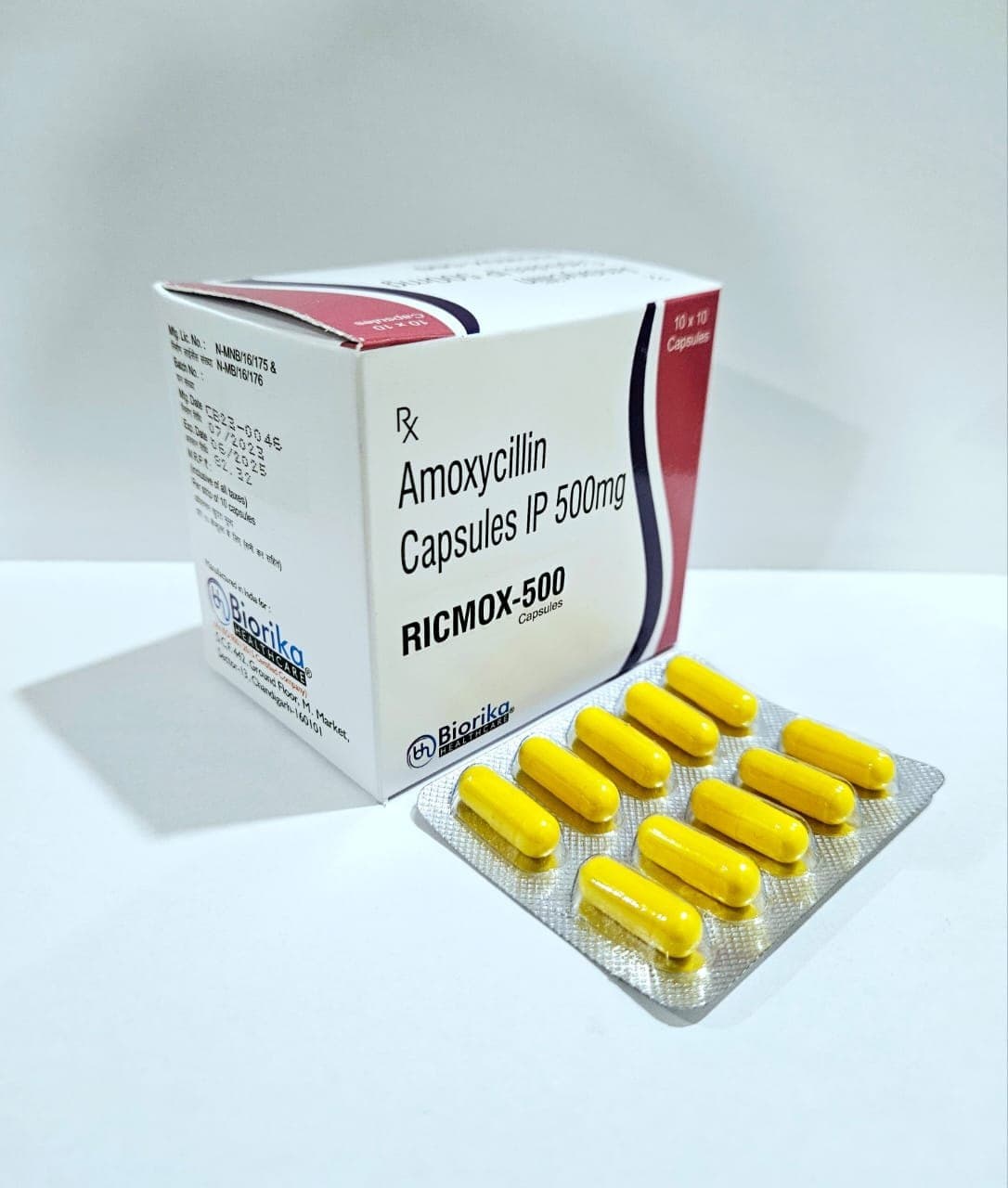
Penicillin-class allergies, relevant to medicines like amoxicillin, are among the most commonly reported drug allergies. Because penicillins and some related antibiotic classes share structural similarities, a genuine penicillin allergy can sometimes mean caution is needed with other related antibiotics too, which your doctor will factor into any future prescribing decisions.
What to Tell Your Doctor
When discussing a possible antibiotic allergy with your doctor, it helps to be as specific as possible: which antibiotic was involved, what symptoms you experienced, how soon after taking it they appeared, how severe they were, and whether you needed any treatment for the reaction at the time, such as antihistamines or emergency care. This level of detail helps your doctor work out whether it sounds like a true allergy, a side effect, or something else entirely, and guides what alternatives from the antibiotics category might be appropriate for you going forward.
If you're not sure whether what happened years ago was a genuine allergy or a side effect, say so honestly rather than guessing, your doctor can help figure it out, and in some cases allergy testing with a specialist can clarify the picture.
Moving Forward Safely
If you do have a confirmed antibiotic allergy, make sure it's recorded clearly in your medical records and mentioned every time you see a new doctor, dentist or pharmacist, since this information doesn't always transfer automatically between different providers or clinics. Wearing a medical alert bracelet or keeping a note in your phone can also help in an emergency situation where you might not be able to explain your history yourself.
Always read the patient information leaflet supplied with any new antibiotic, checking the allergy and side effect sections carefully, and speak with your doctor or pharmacist if you have any history of reactions to antibiotics or are unsure what to tell them.
Frequently asked questions
How do I know if I had a true allergic reaction or just a side effect?+
True allergic reactions typically involve things like rash, hives, swelling or breathing difficulty, while side effects like nausea or stomach upset are more common and not immune-related. If you're unsure, describe exactly what happened to your doctor.
If I'm allergic to one penicillin, am I allergic to all antibiotics?+
Not necessarily, but penicillin-class antibiotics share similarities, so a genuine penicillin allergy may mean caution with related antibiotics too. Your doctor will guide you on safe alternatives.
Should I still mention a reaction I had years ago if I'm not sure it was serious?+
Yes, always mention it, even if you're unsure. Give as much detail as you remember, your doctor can help work out whether it was a true allergy or something else.
Kamagra AUS Health Editorial Team
Plain-English health writing from our in-house editorial team — sourced to the TGA, healthdirect and each medicine's product information, and focused on how Australians actually access and use medicines safely.
How our content is written & reviewedRelated treatments
Browse the medicines and conditions related to this guide:
Mentioned in this guide
Shop the treatments covered here
Genuine medicines from the guide above — discreetly delivered Australia-wide.