Antibiotics and Alcohol: General Guidance
Reviewed by the Kamagra AUS Pharmacy Team on 21 October 2025 · Next review June 2027
Summary
General guidance on mixing antibiotics and alcohol, why the answer depends on the specific medicine, and why caution is often still sensible.
On this page
Antibiotic and alcohol interactions vary significantly depending on which antibiotic has been prescribed, rather than following one blanket rule. Some combinations carry genuine risks, while others have little documented interaction at all. It's worth understanding the general principles at play across the antibiotics category.
Not a One-Size-Fits-All Answer
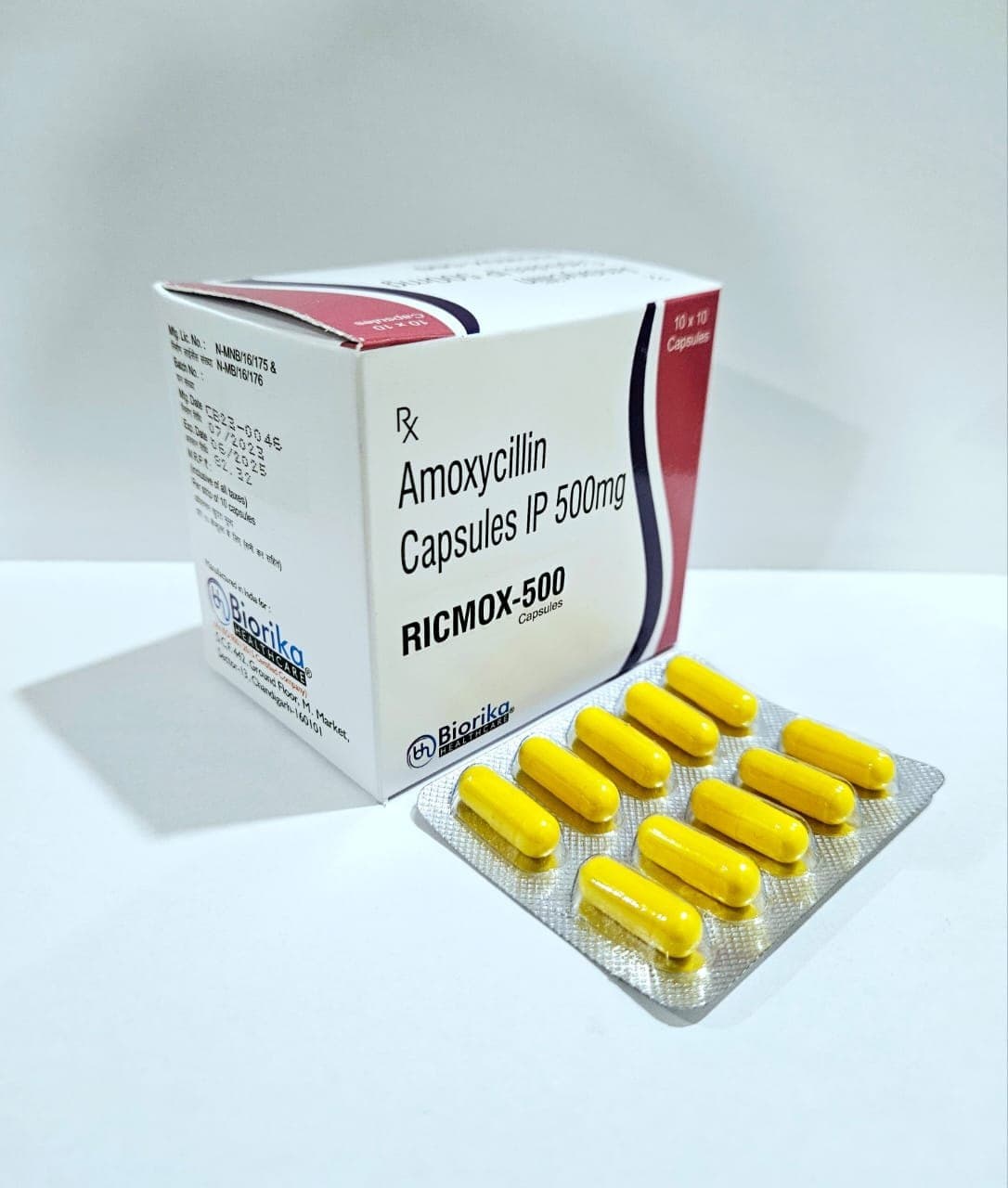
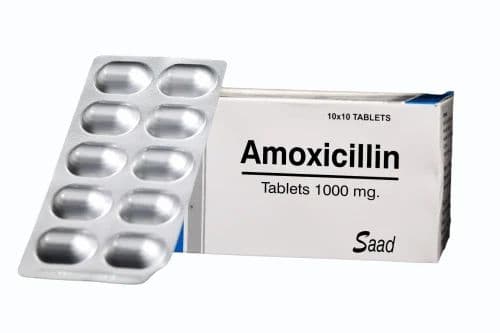
Different antibiotics behave differently when alcohol is added to the mix. Some, like amoxicillin, don't have a well-established direct chemical interaction with alcohol, though caution is still generally sensible while you're unwell. Others have genuine, well-documented interactions that can cause unpleasant or uncomfortable reactions, including flushing, rapid heartbeat, nausea and headache. Because of this real variation, it's never safe to assume that general advice you've heard about antibiotics and alcohol applies to your specific prescription.
Why Caution Is Generally Sensible Anyway
Recovery Takes Priority
Whatever antibiotic you're taking, you're taking it because your body is fighting off a bacterial infection. Alcohol can affect sleep quality, hydration and general recovery, all of which matter while your immune system is working hard. Giving your body the best possible conditions to recover, including a break from alcohol, tends to be a sensible approach regardless of which specific antibiotic you're on.
Side Effects Can Be Confusing to Untangle
Many antibiotics can cause stomach upset, nausea or dizziness as side effects. Alcohol can cause similar symptoms independently, which makes it harder to work out whether something you're feeling is a medicine side effect worth mentioning to your doctor, or simply a result of drinking. Keeping the picture clear can matter if you need to report side effects accurately.
Missed or Mistimed Doses
Completing an antibiotic course properly, and at the right intervals, matters for how effectively it clears an infection. Drinking, especially in larger amounts, can make it easier to forget a dose or lose track of timing, which can affect how well the treatment works and contributes to the broader issue of antibiotic resistance.
What to Actually Do
The safest approach is straightforward: ask your doctor or pharmacist specifically about the antibiotic you've been prescribed, since they'll know whether there's a genuine interaction to be concerned about or simply general caution to observe. The patient information leaflet that comes with your medicine will also usually address alcohol directly, and it's worth reading this section carefully rather than relying on general assumptions.
If you do choose to drink while on an antibiotic that doesn't have a specific documented interaction, doing so in moderation and paying attention to how you're feeling is a reasonable middle ground. If your antibiotic does carry a specific warning about alcohol, it's best to follow that advice closely rather than testing the limits.
The Bottom Line
There's no single universal answer to mixing antibiotics and alcohol, because the honest answer depends on which specific medicine you've been prescribed. Always read the patient information leaflet in full, and ask your doctor or pharmacist directly if you're unsure whether alcohol is safe alongside your particular course of treatment.
Frequently asked questions
Are all antibiotics dangerous to mix with alcohol?+
No, some have genuine documented interactions while others don't have a well-established direct interaction. It varies by medicine, so always check the specific advice for what you've been prescribed.
Why is it still recommended to limit alcohol even without a direct interaction?+
Alcohol can affect recovery, hydration and sleep while your body is fighting an infection, and can make it harder to tell medicine side effects apart from alcohol's own effects.
Where can I check if my specific antibiotic interacts with alcohol?+
The patient information leaflet that comes with your medicine will usually address this directly, and your doctor or pharmacist can confirm the specific guidance for your prescription.
Kamagra AUS Health Editorial Team
Plain-English health writing from our in-house editorial team — sourced to the TGA, healthdirect and each medicine's product information, and focused on how Australians actually access and use medicines safely.
How our content is written & reviewedRelated treatments
Browse the medicines and conditions related to this guide:
Mentioned in this guide
Shop the treatments covered here
Genuine medicines from the guide above — discreetly delivered Australia-wide.