Antibiotic Resistance Explained
Reviewed by the Kamagra AUS Pharmacy Team on 23 October 2025 · Next review June 2027
Summary
A plain-English explanation of antibiotic resistance, why finishing your full course matters, and why sharing antibiotics is never a good idea.
On this page
Antibiotic resistance is when bacteria evolve to survive the antibiotics designed to kill them, making infections harder to treat over time. It develops partly through misuse, such as skipping doses or stopping a course early. Here's a general, plain-English explanation of what resistance actually is and why the small habits around taking antibiotics properly matter more than they might seem.
What Is Antibiotic Resistance?
Antibiotic resistance happens when bacteria evolve in ways that let them survive exposure to antibiotics that would previously have killed them or stopped them multiplying. Bacteria reproduce extremely quickly, and every so often a random genetic change gives a particular bacterium some advantage against a specific antibiotic. If that antibiotic is then used in a way that lets the resistant bacteria survive while the non-resistant ones die off, the resistant strain can multiply and spread, eventually making that antibiotic less effective against infections it used to treat easily.
This is a genuine, well-documented public health issue, not a distant hypothetical, and it's one of the reasons prescribers are increasingly careful about when and how antibiotics from the antibiotics category are used.
Why Stopping Early Contributes to the Problem
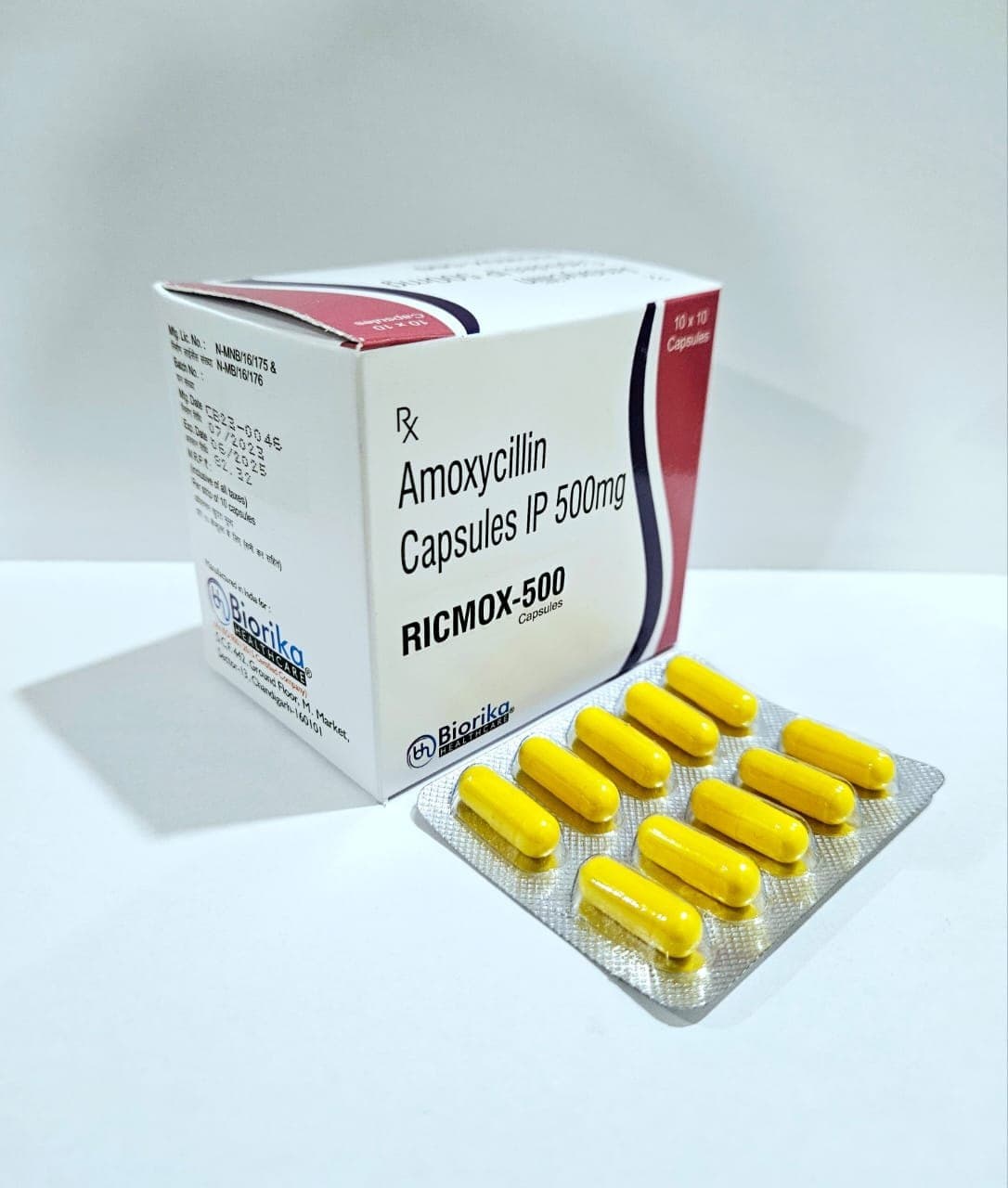
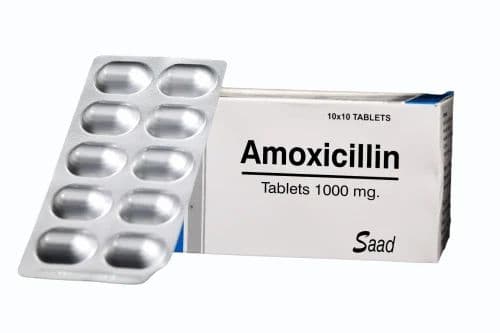
When you're prescribed a course of an antibiotic, whether that's amoxicillin or Bactrim DS, the full course is designed to clear the infection completely, including the toughest bacteria that take longer to die off. If you stop taking the antibiotic once you feel better, but before the course is finished, the weaker bacteria may already be dead while some hardier ones are still alive. Those survivors are, almost by definition, more likely to have some resistance, and stopping early gives them a better chance of surviving, multiplying and potentially spreading that resistance further.
Sharing Antibiotics Is a Related Problem
Similarly, taking leftover antibiotics from a previous illness, or sharing them with someone else who seems to have similar symptoms, skips the proper diagnosis and dosing that a doctor provides. This can mean the wrong antibiotic, the wrong amount, or an incomplete course being used, all of which can contribute to resistance developing, on top of the risk of the medicine simply being the wrong choice for that particular infection.
Why This Matters Beyond You
Resistant bacteria don't stay contained to one person. They can spread between people, meaning that resistance developed in one situation can eventually affect how easily infections are treated in the wider community. This is why public health messaging around finishing courses and avoiding unnecessary antibiotic use isn't just about the individual patient's treatment, it's about protecting how well these medicines work for everyone over the longer term, including future generations.
What You Can Do
The practical takeaway is simple: only take antibiotics prescribed for you, for the specific infection they were prescribed for, complete the full course exactly as directed even if you feel better early, and never share antibiotics or use leftover ones for a new illness. If you have leftover antibiotics from a previous prescription, your pharmacist can advise on how to dispose of them properly rather than keeping them for future use.
If you have concerns about a current antibiotic course, whether that's side effects or whether it seems to be working, speak with your doctor rather than stopping or adjusting the course yourself. Always read the patient information leaflet supplied with your medicine, and ask your doctor or pharmacist if anything is unclear.
Frequently asked questions
Why can't I just stop antibiotics once I feel better?+
Feeling better doesn't mean every bacterium causing the infection is gone. Stopping early can leave hardier, more resistant bacteria alive, giving them a chance to multiply and spread.
Is it really a problem to share antibiotics with someone who has similar symptoms?+
Yes, sharing skips proper diagnosis and correct dosing, which can mean the wrong treatment is used and contributes to resistance developing. Always see a doctor for a new prescription.
What should I do with leftover antibiotics?+
Don't keep them for future use. Ask your pharmacist about proper disposal, since holding onto leftover medicine can encourage inappropriate use later.
Kamagra AUS Health Editorial Team
Plain-English health writing from our in-house editorial team — sourced to the TGA, healthdirect and each medicine's product information, and focused on how Australians actually access and use medicines safely.
How our content is written & reviewedSources for the medical information in this guide
- Healthdirect Australia — Bacterial infections — Search "bacterial infection" for Australian guidance on symptoms, treatment and antibiotic use.
Related treatments
Browse the medicines and conditions related to this guide:
Mentioned in this guide
Shop the treatments covered here
Genuine medicines from the guide above — discreetly delivered Australia-wide.