Carisoprodol vs Other Muscle Relaxants: How It Compares
Reviewed by the Kamagra AUS Pharmacy Team on 3 April 2026 · Next review June 2027
Summary
What actually distinguishes carisoprodol from other muscle relaxants — mechanism, dependence risk and duration of use — without ranking one as simply "better".
On this page
- Why people compare muscle relaxants at all
- The muscle relaxant category is not one thing
- Where carisoprodol sits
- The feature that distinguishes it: the meprobamate pathway
- Duration: why "short-term" is a recurring theme
- Interaction risk is a shared feature of the whole class
- Why "which one is better" is the wrong question to search
- What to bring to that conversation
- A comparison is background, not a shortcut
Muscle relaxants sold in Australia fall into different categories, including centrally acting agents such as carisoprodol, and each category works differently and carries its own risk profile. Comparisons like "carisoprodol vs another muscle relaxant" are common searches from people trying to work out which medicine suits their situation, but that is not a decision a search result can safely make — suitability depends on individual history and needs clinical judgement. This article explains the categories, not which one to choose for yourself.
Why people compare muscle relaxants at all
Once a doctor raises the idea of a muscle relaxant, it is natural to want to know how the specific medicine on offer compares with others in the same broad category. Understanding the landscape makes the conversation with your prescriber more useful — it does not replace it.
The muscle relaxant category is not one thing
"Muscle relaxant" describes a function, not a single chemical family. The medicines grouped under that label reach a broadly similar effect — easing muscle spasm — through several different mechanisms, and they differ in how they are classified, how long they are typically used for, and what precautions attach to them.
Where carisoprodol sits
Carisoprodol is a centrally acting muscle relaxant that works via the central nervous system. In Australia it sits in the prescription-only tier of the Poisons Standard, alongside — but not identical to — several other agents in the same broad category. See our overview of what carisoprodol is and how it's classified for the regulatory detail.
The feature that distinguishes it: the meprobamate pathway
The single biggest point of difference between carisoprodol and several other muscle relaxants is metabolic: the body converts carisoprodol into meprobamate, a compound with a documented history of dependence and misuse. Not every muscle relaxant shares this pathway, which is why prescribers treat carisoprodol with a specific degree of caution around duration of use and personal history of substance dependence.
Duration: why "short-term" is a recurring theme
Muscle relaxants in this category are generally considered for short-term use around an acute episode — rest, physiotherapy and time doing much of the underlying work, with medicine as one part of a broader plan. This is not a dosing instruction; it reflects how the class is typically approached in clinical practice, and it is worth raising directly with your prescriber rather than assuming from what you read online.
Interaction risk is a shared feature of the whole class
Whatever specific muscle relaxant is under discussion, combining any of them with alcohol or other sedating medicines — opioids, benzodiazepines, some antihistamines — compounds drowsiness and impairs coordination. This is a class-wide caution, not something unique to carisoprodol, and it is covered in more detail in our guide to carisoprodol and alcohol.
Why "which one is better" is the wrong question to search
There is no meaningful answer to "which muscle relaxant is better" outside a clinical context, because the right choice depends on the diagnosis, other medicines being taken, personal and family history, and how long treatment is expected to run. A prescriber weighing carisoprodol against an alternative is not picking a winner from a chart — they are matching a specific medicine's profile to a specific patient.
What to bring to that conversation
If you are trying to work out whether carisoprodol or a different muscle relaxant suits your situation, come to the consultation with:
- A clear description of the pain or spasm, including how long it has lasted.
- A full list of current medicines and supplements.
- Any history of dependence, in yourself or your immediate family.
- Questions about how long treatment is expected to continue.
Our guide on questions to ask your doctor before starting a muscle relaxant has a fuller list.
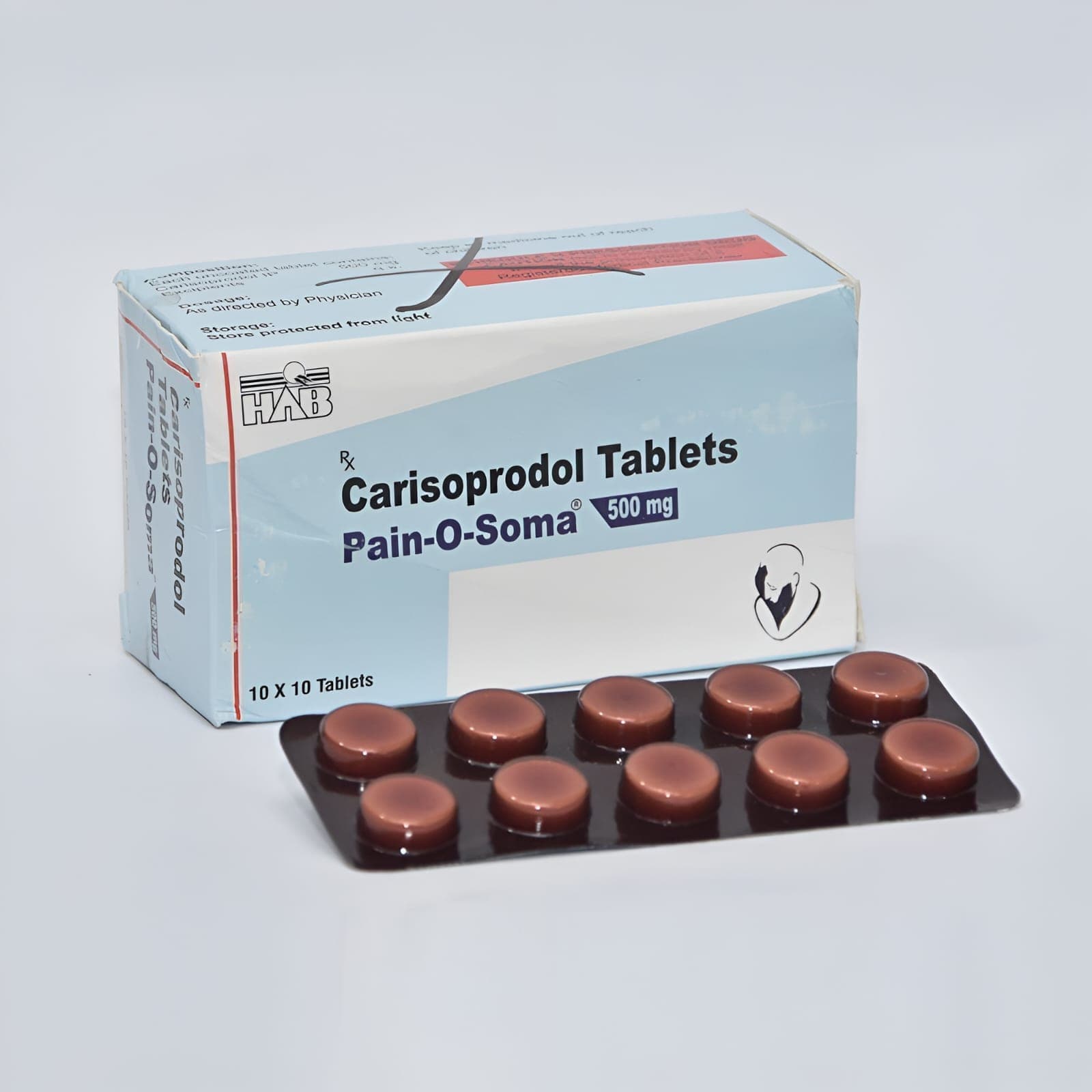
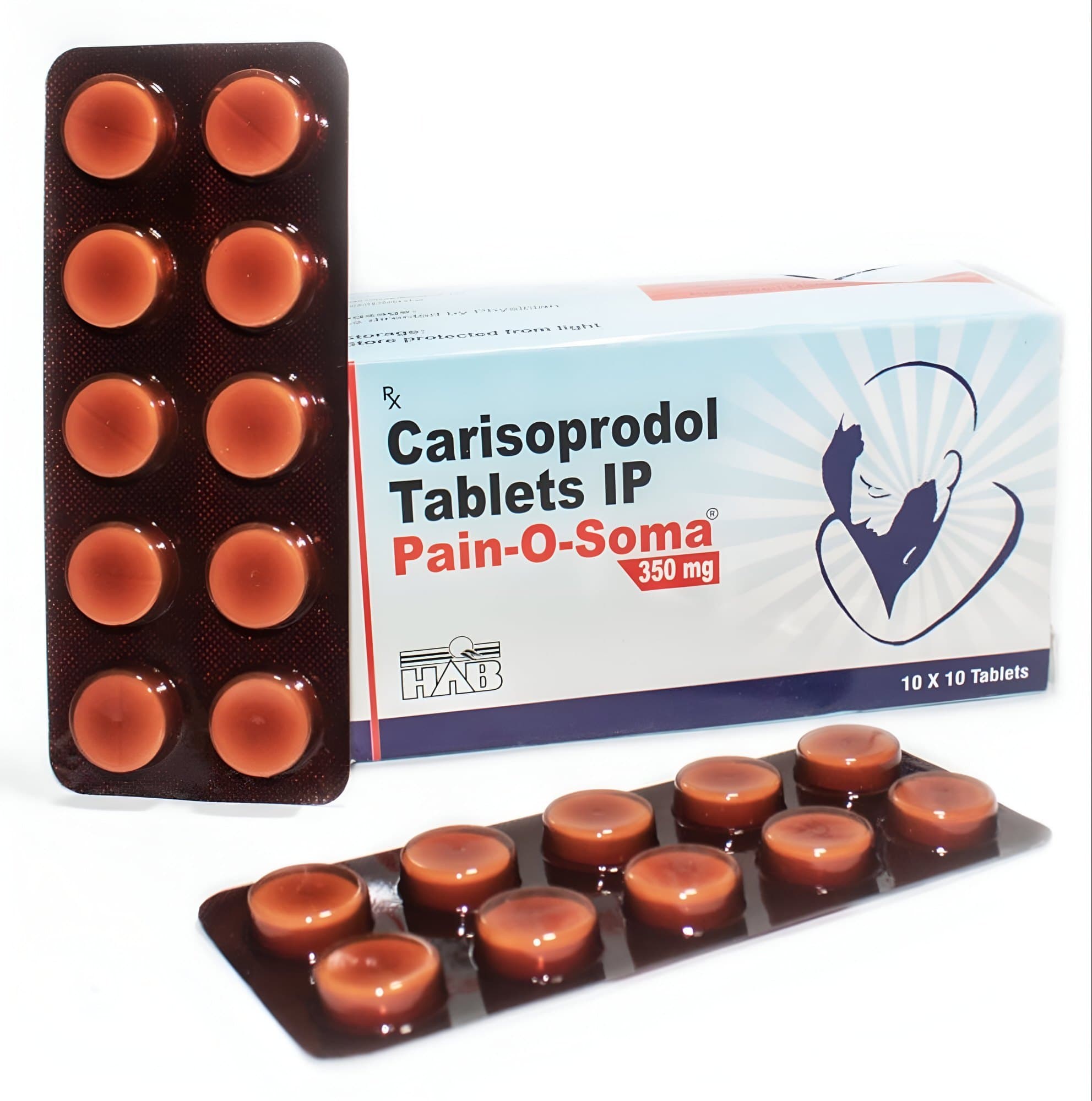
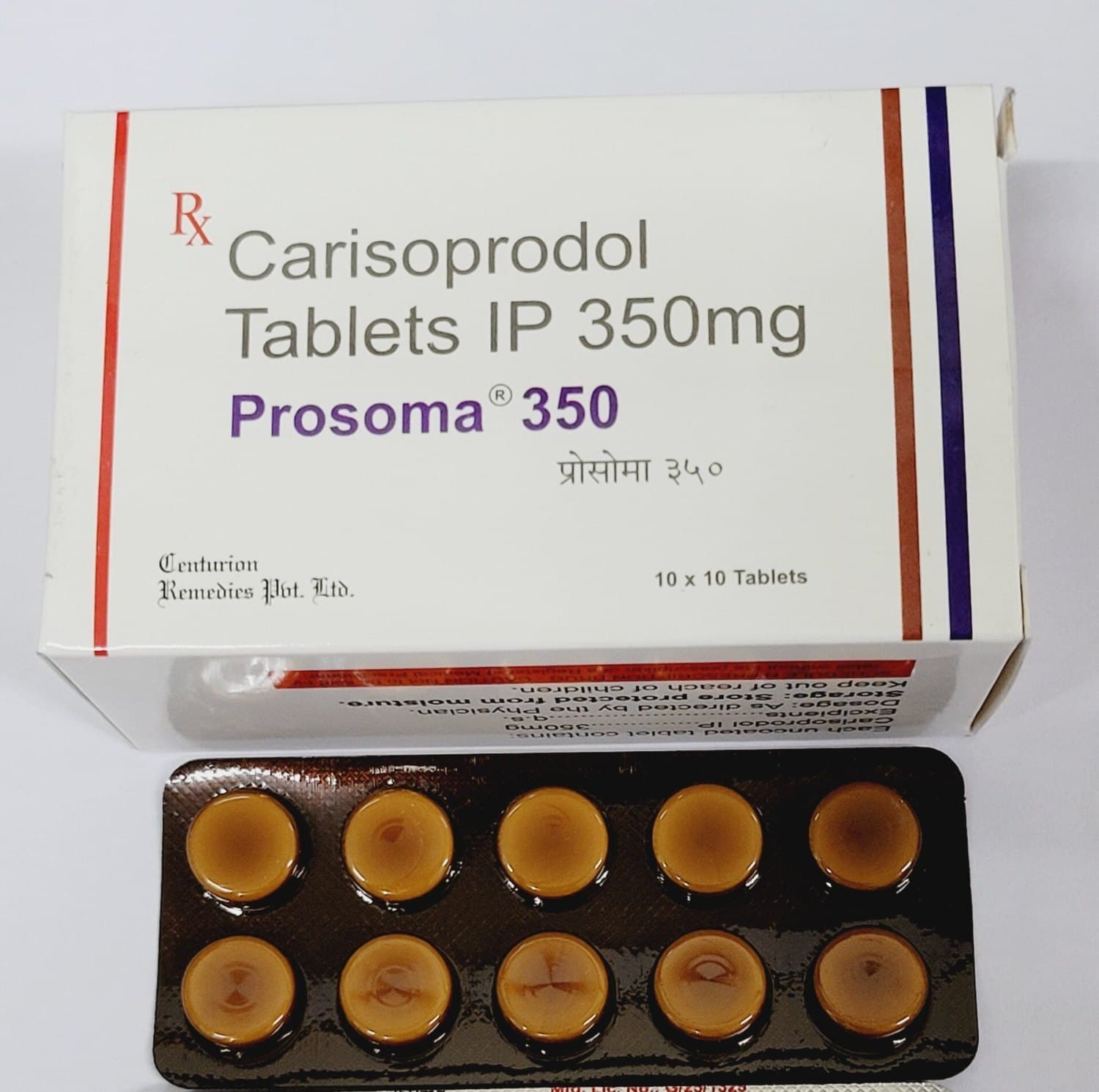
The pain relief category on this site lists the carisoprodol-based options we carry, including Carisoprodol 1000mg, Prosoma 350 and Pain-O-Soma 500mg, but which one — if any — is appropriate remains a decision for your prescriber.
A comparison is background, not a shortcut
Reading about how carisoprodol compares with other muscle relaxants is useful preparation, in the same way reading about a surgical option before a specialist appointment is useful preparation. It helps you ask sharper questions and understand the answers you get back. It is not, however, a way to arrive at a consultation having already picked a medicine, and a prescriber is unlikely to simply confirm a self-selected choice without their own assessment — nor should they, given how much the right answer depends on details only a clinical history can surface.
This article is general educational information comparing categories of prescription medicine, not medical advice, and not a recommendation for any specific product. Speak with your doctor or pharmacist before starting, stopping or changing any medicine.
Frequently asked questions
Is carisoprodol stronger than other muscle relaxants?+
There is no general answer to that. Suitability and individual response depend on personal health factors, and only a prescriber assessing your specific situation can weigh the options appropriately.
Do all muscle relaxants carry the same dependence risk?+
No. Carisoprodol is metabolised into meprobamate, a compound specifically associated with dependence and misuse, which is why it is treated with a particular degree of caution compared with some other agents in the class.
Do I need a prescription to obtain any muscle relaxant in Australia?+
Yes. Muscle relaxants, including carisoprodol, are prescription-only medicines in Australia and require assessment by a registered prescriber before a pharmacy can dispense them.
Kamagra AUS Health Editorial Team
Plain-English health writing from our in-house editorial team — sourced to the TGA, healthdirect and each medicine's product information, and focused on how Australians actually access and use medicines safely.
How our content is written & reviewedSources for the medical information in this guide
- Carisoprodol — StatPearls, NCBI Bookshelf — Peer-reviewed reference on the muscle relaxant, including dependence risk.
Related treatments
Browse the medicines and conditions related to this guide:
Mentioned in this guide
Shop the treatments covered here
Genuine medicines from the guide above — discreetly delivered Australia-wide.