Signs You Might Need a Muscle Relaxant: When to See a Doctor
Reviewed by the Kamagra AUS Pharmacy Team on 2 April 2026 · Next review June 2027
Summary
Muscle pain and spasm are common, but deciding whether a muscle relaxant is appropriate is a clinical judgement — here's what to bring to that appointment, and which symptoms need urgent care.
On this page
- Situations that commonly lead people here
- Red flags that need urgent care, not a home remedy
- What a doctor actually assesses
- What is usually tried before, or alongside, medicine
- Where carisoprodol may fit, and who decides that
- Getting ready for the appointment
- Why "just try it and see" is not a safe approach
- The bottom line
Muscle relaxants, including carisoprodol-based medicines such as Carisoprodol 1000mg, are prescription-only in Australia because deciding whether one is appropriate requires a clinical assessment rather than a symptom checklist. Searching "do I need a muscle relaxant" is a reasonable step to take before an appointment, but it is not something a website can answer for you. What follows is background to help you describe your situation clearly to a doctor, not a substitute for seeing one.
Situations that commonly lead people here
People typically start looking into muscle relaxants after:
- A sudden lower-back spasm that makes standing up or bending difficult.
- Persistent neck or shoulder tightness following an injury, a long drive, or awkward sleep.
- A muscle strain from exercise, lifting, or a fall that has not settled with rest.
- A flare-up of a known musculoskeletal condition.
None of these situations are unusual, and most resolve without ever needing a prescription medicine. What distinguishes a case worth raising with a doctor is severity, duration and whether the pain is limiting your daily function.
Red flags that need urgent care, not a home remedy
Some symptoms alongside back or muscle pain need to be assessed urgently rather than managed at home while you wait for a routine appointment. Seek prompt medical care if pain is accompanied by:
- Numbness, tingling or weakness in a leg or arm.
- Loss of bladder or bowel control.
- Fever, unexplained weight loss, or pain that is worse at night or at rest.
- Pain following significant trauma, such as a fall from height or a car accident.
- Pain that is severe, worsening, or not improving after a reasonable period of rest.
These are the kinds of features a GP or emergency department needs to rule out before any medicine, muscle relaxant or otherwise, is even a sensible consideration.
What a doctor actually assesses
A consultation about muscle pain or spasm typically covers the history (how it started, how long it has lasted), a physical examination, and a check of your broader health picture — other medicines, any relevant past injuries or conditions, and how the pain is affecting your daily activities. Healthdirect Australia's symptom guidance is a reasonable starting point for understanding what a GP visit for back or muscle pain typically involves.
What is usually tried before, or alongside, medicine
Guidance from bodies such as the Australian Commission on Safety and Quality in Health Care generally emphasises that acute musculoskeletal pain is managed with a combination of approaches, not medicine alone: staying as active as pain allows, heat or cold application, physiotherapy, and time. A muscle relaxant, where a prescriber decides one is appropriate, is typically one part of that plan rather than the whole of it. Our guide to back pain and muscle spasm care goes into this in more depth.
Where carisoprodol may fit, and who decides that
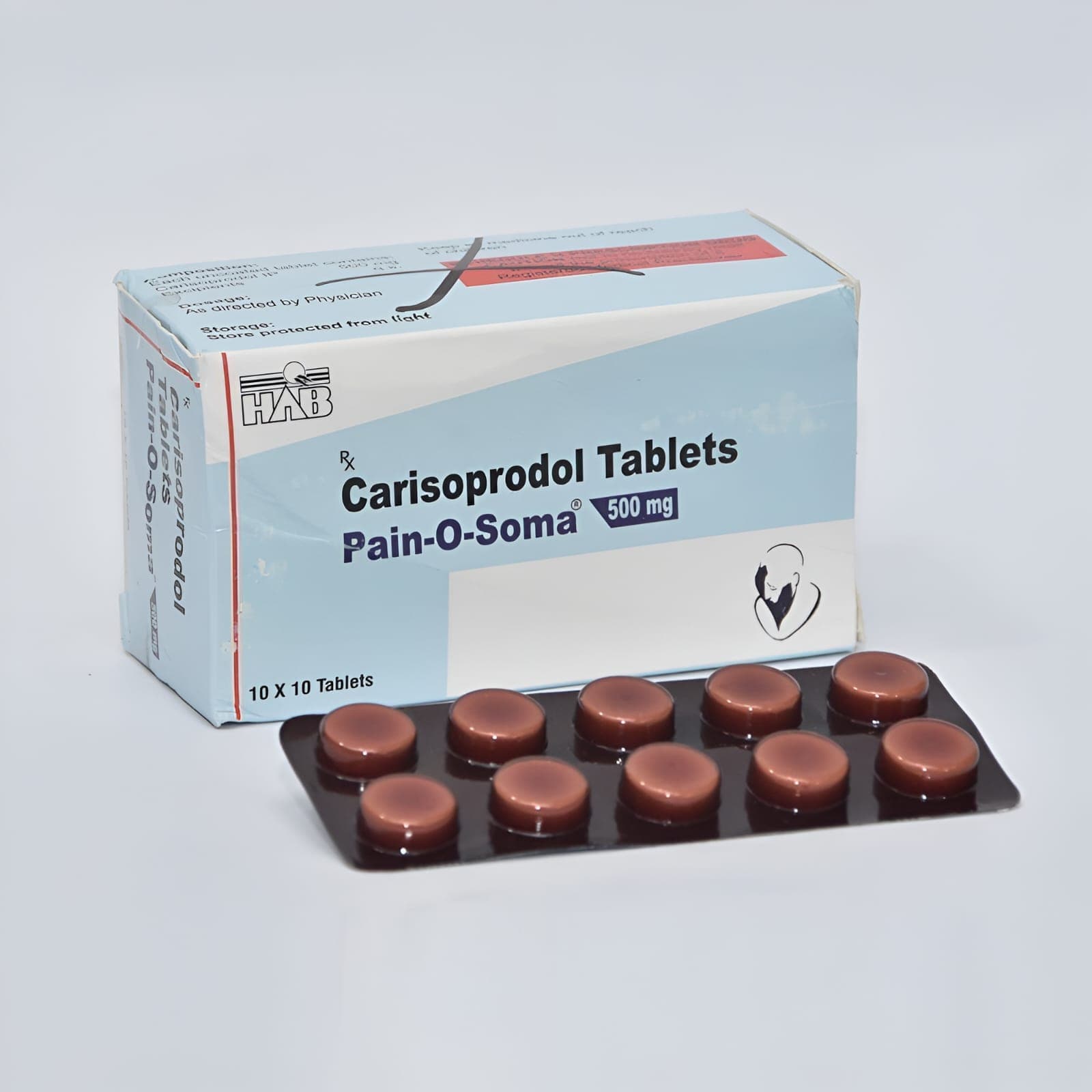
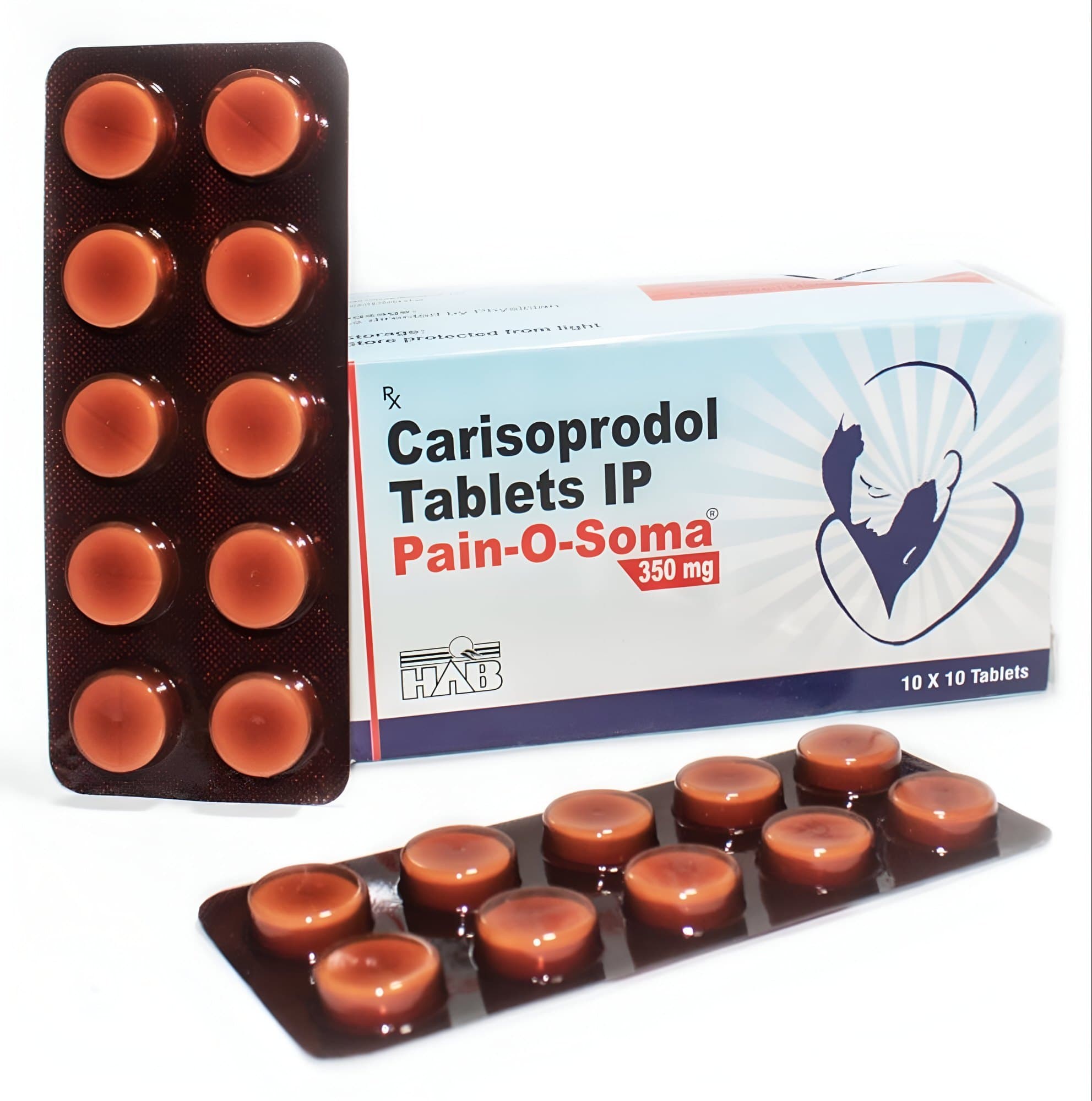
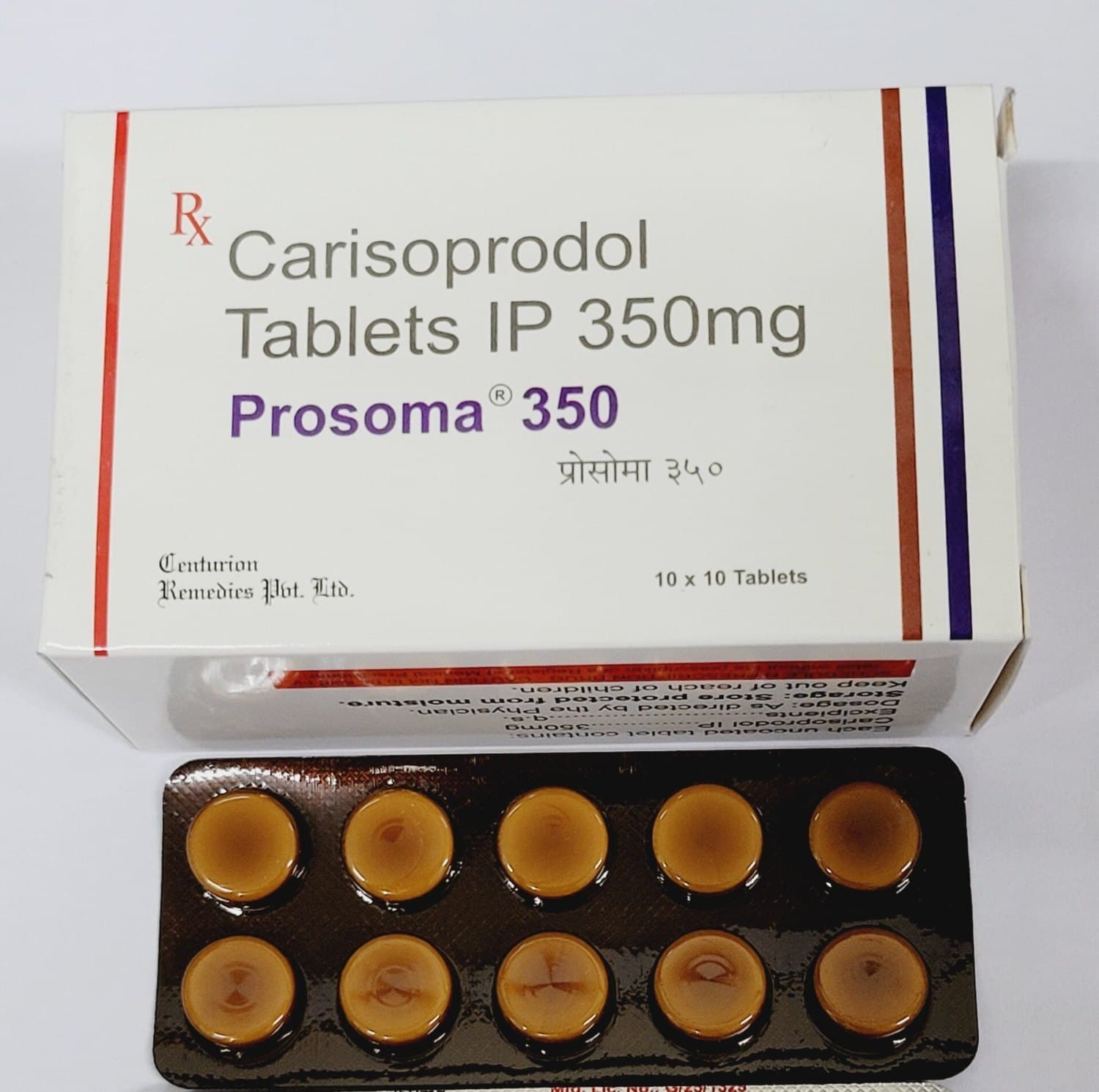
If, after assessment, a doctor considers a centrally acting muscle relaxant appropriate, options in the Australian market include carisoprodol-based products such as those in our pain relief category — Prosoma 350 and the Pain-O-Soma range among them. Whether that class of medicine suits your specific case, and for how long, is a decision made in the consultation, weighing your history against the known dependence risk associated with carisoprodol specifically.
Getting ready for the appointment
A short, clear summary helps a doctor assess you faster. Before you go, note down:
- When the pain or spasm started and what you were doing at the time.
- What makes it better or worse.
- Any numbness, weakness or other symptoms alongside the pain.
- Every medicine and supplement you currently take.
Why "just try it and see" is not a safe approach
It can be tempting to treat a prescription medicine as something to try experimentally, on the logic that if it does not help you can simply stop. Carisoprodol does not fit that logic. Because it carries a real dependence risk and a sedative effect that varies between individuals, starting it without a clinical assessment removes the safeguards — history-taking, dose judgement, monitoring — that make short-term use reasonably safe in the first place. The prescription requirement exists precisely so that "try it and see" never becomes the actual process.
The bottom line
A search engine can describe categories and mechanisms, but it cannot examine you, take a history, or weigh your personal risk factors. If muscle pain is persistent, severe, or accompanied by any of the red-flag symptoms above, the right next step is your GP, an urgent care clinic, or emergency care — not a decision about which medicine to buy.
This article is general health information, not medical advice, and not a substitute for a clinical assessment. If you have any of the red-flag symptoms described above, seek prompt medical care. Speak with your doctor or pharmacist about your own situation.
Frequently asked questions
Can I decide for myself whether I need a muscle relaxant?+
No. Muscle relaxants, including carisoprodol, are prescription-only medicines in Australia. Whether one is appropriate is a clinical decision made by a doctor after assessing your history and symptoms.
What symptoms alongside muscle pain need urgent attention?+
Numbness, weakness, loss of bladder or bowel control, fever, unexplained weight loss, pain following major trauma, or pain that keeps worsening all warrant prompt medical assessment rather than waiting.
Is medicine always part of managing acute back pain?+
Not necessarily. Guidance from Australian health bodies generally emphasises staying active, physiotherapy and time as core parts of managing acute musculoskeletal pain, with medicine used selectively where a prescriber judges it appropriate.
Kamagra AUS Health Editorial Team
Plain-English health writing from our in-house editorial team — sourced to the TGA, healthdirect and each medicine's product information, and focused on how Australians actually access and use medicines safely.
How our content is written & reviewedSources for the medical information in this guide
- Australian Commission on Safety and Quality in Health Care — medicines information — Independent Australian guidance on safe medicines use.
Related treatments
Browse the medicines and conditions related to this guide:
Mentioned in this guide
Shop the treatments covered here
Genuine medicines from the guide above — discreetly delivered Australia-wide.