Chronic vs Acute Pain: What's the Real Difference?
Reviewed by the Kamagra AUS Pharmacy Team on 28 November 2025 · Next review June 2027
Summary
Acute and chronic pain aren't just about how long pain lasts — they're genuinely different processes in the body, and that difference shapes how each is treated.
On this page
Acute and chronic pain are often described purely by duration, but the real difference goes deeper than that — they behave differently in the body, and that difference has genuine consequences for how each is treated.
The basic definitions
Acute pain has a clear, recent cause — an injury, surgery, or an identifiable strain — and it typically resolves as the underlying tissue heals, generally within days to a few weeks. It's also protective: it's your body signalling that something needs attention or rest. Chronic pain, by contrast, is generally defined as pain persisting beyond normal healing time, commonly beyond three months, and it often continues after the original cause has healed or can no longer be clearly identified at all.
Why chronic pain doesn't just "go away" like acute pain does
In chronic pain, the nervous system itself can change over time — a process sometimes called central sensitisation — where pain signalling becomes amplified or persists independently of ongoing tissue damage. This is a genuine physiological change, not a sign the pain "isn't real" or is purely psychological, and it's part of why chronic pain often needs a different treatment approach than simply waiting it out.
How treatment approaches differ
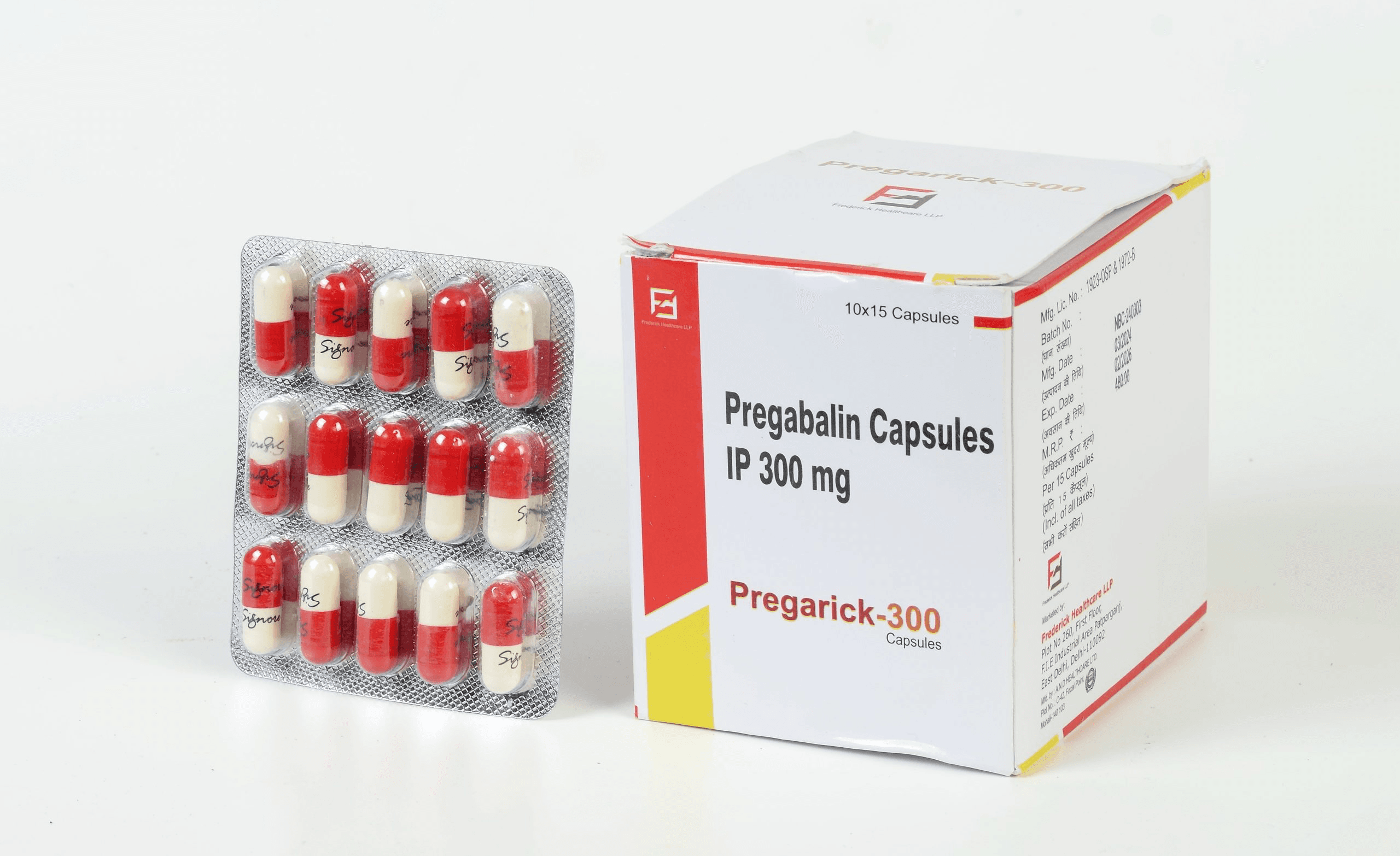
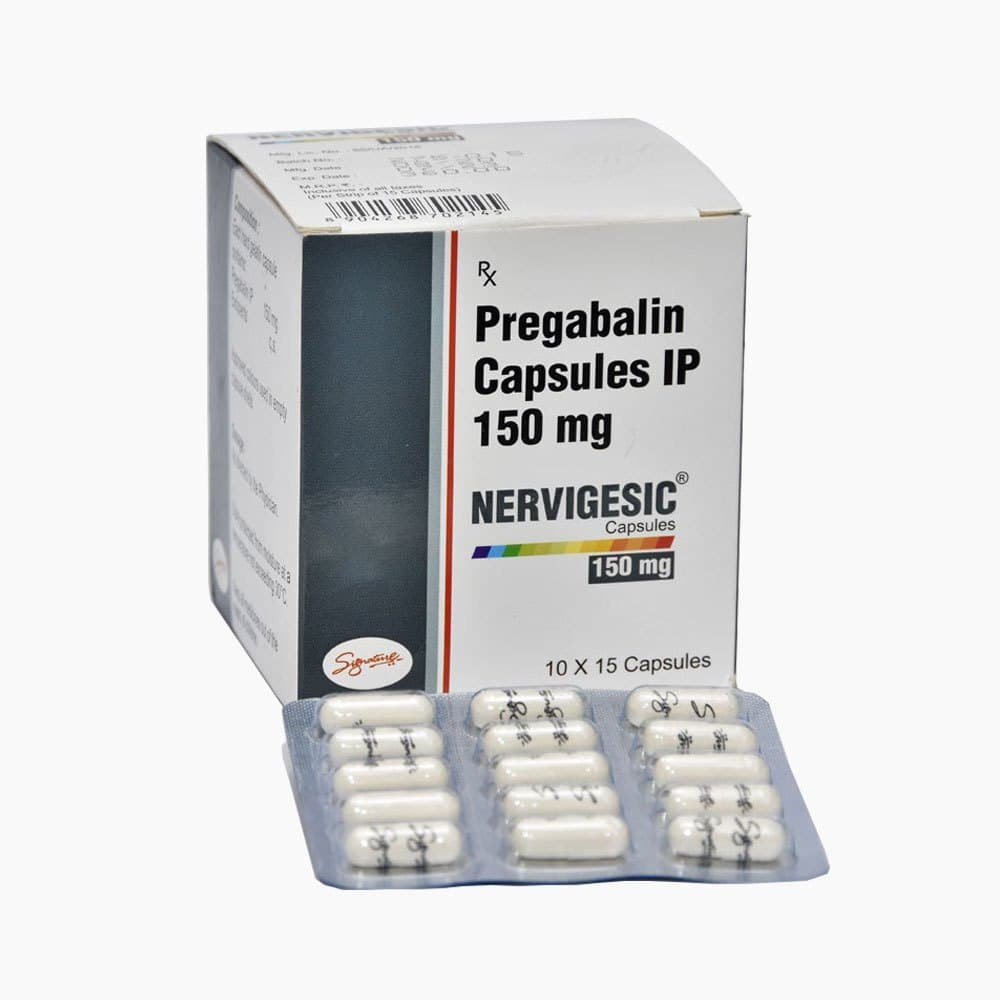
Acute pain, such as an acute muscle strain or spasm, often responds well to rest, heat, and short-term muscle relaxants such as carisoprodol. Chronic pain, particularly when it has a nerve-related component, more often involves medicines like pregabalin that address nerve signalling, alongside a broader management plan that can include physical therapy, gradual activity, and sometimes psychological support — because managing the nervous system's amplified response is part of the picture, not just the original tissue issue.
Why "just push through it" doesn't apply the same way to both
With acute pain, some guided activity within reason is often fine and even helpful for recovery. With chronic pain, the calculus is different — because the pain signal is less reliably tied to ongoing tissue damage, and because unhelpful movement patterns or fear of pain can themselves worsen the overall picture, a more structured, individualised approach generally works better than either total rest or "pushing through."
When acute pain becomes a chronic concern
Pain that continues well beyond the expected healing time for its original cause, or that persists after the injury has visibly healed, is worth discussing with a doctor rather than continuing to self-treat as if it were still an acute, resolving issue — the underlying management approach genuinely needs to shift at that point.
When to see a doctor
See a doctor for any pain that's severe, doesn't improve as expected, is accompanied by numbness or weakness, or has lasted beyond a few weeks — earlier assessment generally leads to better long-term outcomes than waiting to see if longstanding pain eventually resolves on its own.
This article is general information, not medical advice. See a doctor for a proper assessment if pain is severe, persistent, or not following the expected course for its cause — treatment differs meaningfully between acute and chronic pain.
Frequently asked questions
What officially counts as chronic pain?+
Pain persisting beyond normal healing time — commonly defined as beyond three months — is generally classed as chronic, particularly when it continues after the original cause has healed or can no longer be clearly identified.
Why doesn't chronic pain just resolve the way acute pain does?+
In chronic pain, the nervous system itself can change over time (central sensitisation), amplifying or sustaining pain signals somewhat independently of ongoing tissue damage — a genuine physiological process, not a sign the pain isn't real.
Do chronic and acute pain need different medicines?+
Often, yes — acute muscular pain frequently responds to short-term muscle relaxants like carisoprodol, while chronic pain with a nerve component more often involves medicines like pregabalin alongside a broader management plan.
When does pain that started as acute need to be reassessed?+
If it continues well beyond the expected healing time for its original cause, or persists after the injury has visibly healed, it's worth a doctor's reassessment rather than continuing to treat it as a simple, resolving acute issue.
Kamagra AUS Health Editorial Team
Plain-English health writing from our in-house editorial team — sourced to the TGA, healthdirect and each medicine's product information, and focused on how Australians actually access and use medicines safely.
How our content is written & reviewedSources for the medical information in this guide
- Carisoprodol — StatPearls, NCBI Bookshelf — Peer-reviewed reference on the muscle relaxant, including dependence risk.
Related treatments
Browse the medicines and conditions related to this guide:
Mentioned in this guide
Shop the treatments covered here
Genuine medicines from the guide above — discreetly delivered Australia-wide.