Nerve Pain vs Muscle Pain: How to Tell Them Apart
Reviewed by the Kamagra AUS Pharmacy Team on 21 November 2025 · Next review June 2027
Summary
Nerve pain and muscle pain can both show up in an arm, leg or back, but they come from different sources and often respond to different treatments. Here's how to tell them apart.
On this page
Nerve pain and muscle pain can both show up as pain in an arm, leg or back, but they come from different sources in the body and often respond to different treatments — which makes telling them apart genuinely useful, not just an academic distinction.
What muscle pain typically feels like
Muscle pain (myalgia) or spasm typically feels like a deep, aching or cramping sensation, often tied to a specific movement, overuse, tension or an identifiable strain. It's frequently worse with certain movements or positions and better with rest, and it usually improves over days as the tissue heals.
What nerve pain typically feels like
Nerve pain has a distinctly different character for many people: burning, shooting, stabbing, or an "electric shock" sensation, sometimes accompanied by tingling, numbness or heightened sensitivity to light touch in the affected area. It can follow the path of a specific nerve rather than sitting in one muscle group, and it doesn't always correlate neatly with movement the way muscle pain does.
Why the distinction affects treatment
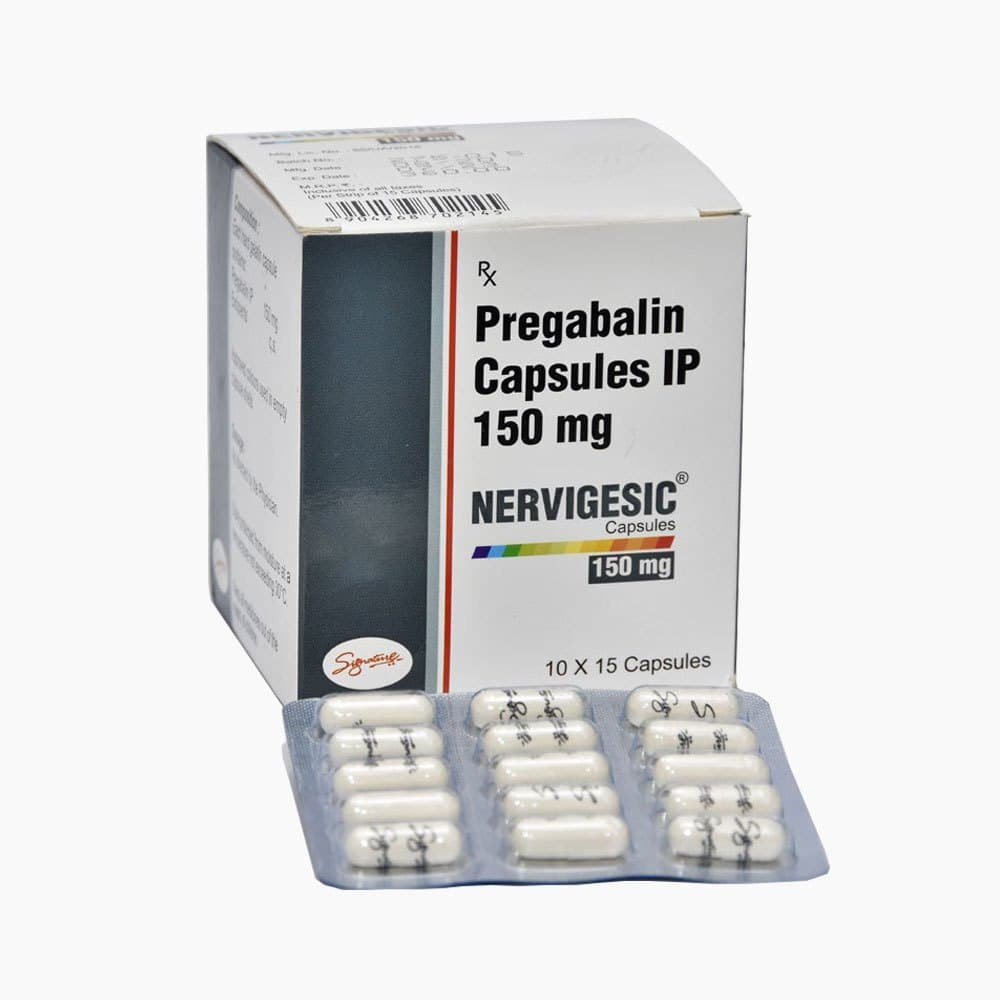
Muscle pain and spasm often responds to muscle relaxants such as carisoprodol, rest, heat and physical therapy. Nerve pain frequently responds better to medicines that specifically target nerve signalling, such as pregabalin, and a standard muscle relaxant may do little for it because the underlying mechanism is different — this is exactly why an accurate read on which type of pain you have matters for getting effective treatment rather than just trying whatever's on hand.
When the two overlap
Pain isn't always neatly one or the other. A back injury, for instance, can cause both local muscle spasm and nerve irritation (such as sciatica) at the same time, which is part of why self-diagnosis from symptoms alone has real limits, and why a doctor's physical examination — sometimes with imaging — is the more reliable way to sort out what's actually driving a persistent pain.
When to see a doctor rather than guess
Pain that's severe, persistent beyond a week or two, accompanied by numbness, weakness, or pain that radiates down a limb, or pain following an injury, are all good reasons to get a proper assessment rather than self-treating indefinitely with an over-the-counter option or a medicine left over from a previous prescription.
This article is general information, not medical advice. See a doctor for a proper diagnosis if pain is severe, persistent, or accompanied by numbness, weakness or radiating symptoms — treatment differs meaningfully between nerve and muscle pain, and getting it right depends on an accurate diagnosis.
Frequently asked questions
How can I tell if my pain is nerve pain or muscle pain?+
Muscle pain often feels like a deep ache or cramp tied to movement or strain, while nerve pain more often feels like burning, shooting or electric-shock sensations, sometimes with tingling or numbness. A doctor's assessment is the reliable way to confirm which — or both — you have.
Can muscle relaxants help nerve pain?+
Not usually to the same degree — nerve pain typically responds better to medicines like pregabalin that target nerve signalling directly, rather than muscle relaxants such as carisoprodol, which are aimed at muscle spasm.
Can you have both nerve pain and muscle pain at the same time?+
Yes — a back injury is a common example, where local muscle spasm and nerve irritation (like sciatica) can occur together, which is one reason a doctor's examination is more reliable than guessing from symptoms alone.
When should pain be checked by a doctor rather than self-managed?+
If pain is severe, persists beyond a week or two, comes with numbness, weakness or radiates down a limb, or follows an injury, it's worth a proper assessment rather than ongoing self-treatment.
Kamagra AUS Health Editorial Team
Plain-English health writing from our in-house editorial team — sourced to the TGA, healthdirect and each medicine's product information, and focused on how Australians actually access and use medicines safely.
How our content is written & reviewedSources for the medical information in this guide
- Healthdirect Australia — Nerve pain — Search "nerve pain" for Australian guidance on causes, symptoms and treatment options.
Related treatments
Browse the medicines and conditions related to this guide:
Mentioned in this guide
Shop the treatments covered here
Genuine medicines from the guide above — discreetly delivered Australia-wide.