Do You Really Need to Finish Your Antibiotics Course? What the Advice Is Based On
Reviewed by the Kamagra AUS Pharmacy Team on 16 November 2025 · Next review June 2027
Summary
"Always finish the course" is one of the most repeated pieces of medical advice — and also one of the most debated among researchers in recent years. Here's the current, honest picture.
On this page
"Always finish your antibiotics course, even if you feel better" is one of the most widely repeated pieces of medical advice in general use — and in recent years, it's also become one of the more actively debated ideas within medical research itself. The debate is real, but it doesn't change the practical advice for an individual patient, which is simpler than the research debate suggests.
Where the "always finish it" advice came from
The traditional reasoning is that stopping antibiotics early leaves surviving bacteria exposed to a sub-lethal dose, which was long thought to drive antibiotic resistance by allowing partially-resistant bacteria to survive and multiply. This idea has been taught to patients and clinicians for decades and remains the default guidance almost everywhere.
Why some researchers have pushed back
Over the past several years, a number of researchers and clinical reviews (including a widely discussed 2017 opinion piece in The BMJ) have argued the evidence behind "always finish the course" is weaker than assumed for many common infections, and that for some antibiotics and conditions, course length is a somewhat arbitrary historical convention rather than a figure derived from precise resistance data. Some researchers now argue that unnecessarily long courses could contribute to resistance too, by exposing bacteria to antibiotics for longer than needed.
Why this debate doesn't change what you should personally do
This is a genuinely unresolved and evolving area of medical research — but that's exactly why it isn't something to apply to your own treatment based on an article. Course lengths are set per infection, per antibiotic and often per patient by the prescriber, based on the specific bacteria being targeted, the site of infection and your own health picture. The research debate is about population-level guidelines evolving over time; it isn't a green light to individually decide a course is "probably long enough" partway through.
What to actually do if you feel better early
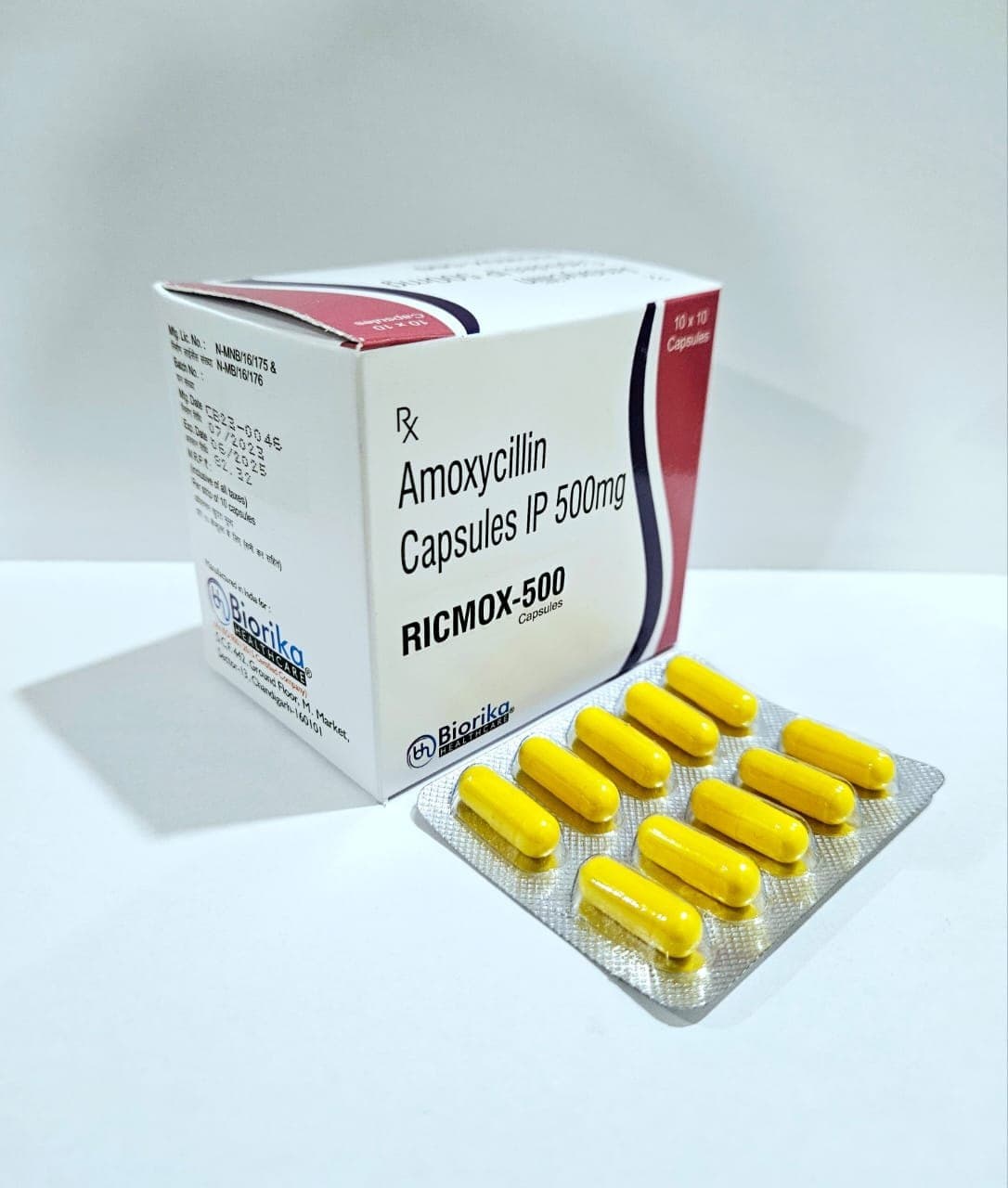
If you feel significantly better before finishing a prescribed course of amoxicillin or another antibiotic, the right move is to ask your prescriber or pharmacist whether it's appropriate to stop, rather than deciding unilaterally. There can be good reasons to complete the full course for your specific infection, and there can occasionally be reasons a prescriber revises the length — but that's their call to make with the full clinical picture, not a general rule to self-apply.
The one thing everyone agrees on
Whatever your view of the underlying research debate, one point is consistent across essentially all current guidance: never stop or change an antibiotic course without talking to the doctor or pharmacist who prescribed it. If side effects are the reason you want to stop, that's also worth raising with them directly rather than stopping quietly.
This article is general information, not medical advice. Antibiotic course length and appropriateness for stopping early should always be discussed with the prescribing doctor or a pharmacist — never decided independently.
Frequently asked questions
Is it true that you don't always need to finish antibiotics?+
There's genuine, ongoing debate in medical research about whether traditional course lengths are always necessary for every infection and antibiotic. However, this is a population-level research question — it isn't advice to apply to your own treatment without asking your prescriber.
What should I do if I feel better before finishing my antibiotics?+
Contact your doctor or pharmacist and ask whether it's appropriate to stop in your specific case, rather than deciding on your own. There can be good clinical reasons either way, and they have the full picture.
Does stopping antibiotics early always cause resistance?+
The relationship is more complex than the traditional simple explanation suggests, and it's an active area of research. Regardless of the underlying science, the safe and consistent advice is to never change your course without checking with your prescriber.
Why do course lengths vary between different antibiotics and infections?+
Course length is set based on the specific bacteria, the site and severity of infection, the antibiotic used and your own health profile. It's tailored by the prescriber rather than a single fixed rule that applies to every antibiotic equally.
Kamagra AUS Health Editorial Team
Plain-English health writing from our in-house editorial team — sourced to the TGA, healthdirect and each medicine's product information, and focused on how Australians actually access and use medicines safely.
How our content is written & reviewedSources for the medical information in this guide
- Healthdirect Australia — Amoxicillin — Search "amoxicillin" for Australian guidance: dosing intervals, alcohol, allergy.
- Australian Commission on Safety and Quality in Health Care — antimicrobial stewardship — Course completion and antibiotic-resistance basics.
Related treatments
Browse the medicines and conditions related to this guide:
Mentioned in this guide
Shop the treatments covered here
Genuine medicines from the guide above — discreetly delivered Australia-wide.