Viral or Bacterial? Why It Matters for Whether Antibiotics Will Help
Reviewed by the Kamagra AUS Pharmacy Team on 18 November 2025 · Next review June 2027
Summary
Viral and bacterial infections can look identical from symptoms alone — but they respond completely differently to treatment. Here's why that distinction matters.
On this page
Viral and bacterial infections can cause very similar symptoms — a sore throat, a cough, a fever — but they respond completely differently to treatment, and knowing which one you're dealing with is the whole reason a doctor examines and sometimes tests you before prescribing anything.
The core difference
Bacteria and viruses are fundamentally different types of organism, and antibiotics work by targeting specific structures or processes found in bacteria — a cell wall, a particular enzyme — that viruses simply don't have. This is why antibiotics do nothing against a viral infection: there's no bacterial target for them to act on.
Why "it might be viral" isn't a reason to just take antibiotics anyway
Taking antibiotics for a viral infection doesn't help you recover faster, and it isn't a harmless just-in-case measure — unnecessary antibiotic use contributes to antibiotic resistance at a population level, and individually it still carries the same risk of side effects for zero benefit if the infection is viral.
Symptoms alone often can't tell you which one it is
This is the important, slightly frustrating truth: a bacterial and a viral infection can look identical from symptoms alone in many cases, particularly early on. Some patterns can raise suspicion one way or another — a very high, sudden fever with pus-filled tonsils leans bacterial for a sore throat, for example, while a gradual onset with a runny nose and cough across the whole household leans viral — but these are patterns, not certainties. This is exactly why doctors sometimes run a test — a swab, a urine sample, a blood test — rather than guessing from symptoms alone.
What a doctor is actually doing when they decide
When a doctor examines you and decides whether antibiotics are appropriate, they're weighing the pattern of your symptoms, how long you've had them, any test results, and your specific risk factors — not applying a blanket rule. This is also why one visit might result in "let's wait and see" rather than an immediate prescription: for many infections, particularly viral ones, symptomatic relief and time are the actual treatment, and a follow-up is the safety net if things don't improve as expected.
The practical takeaway
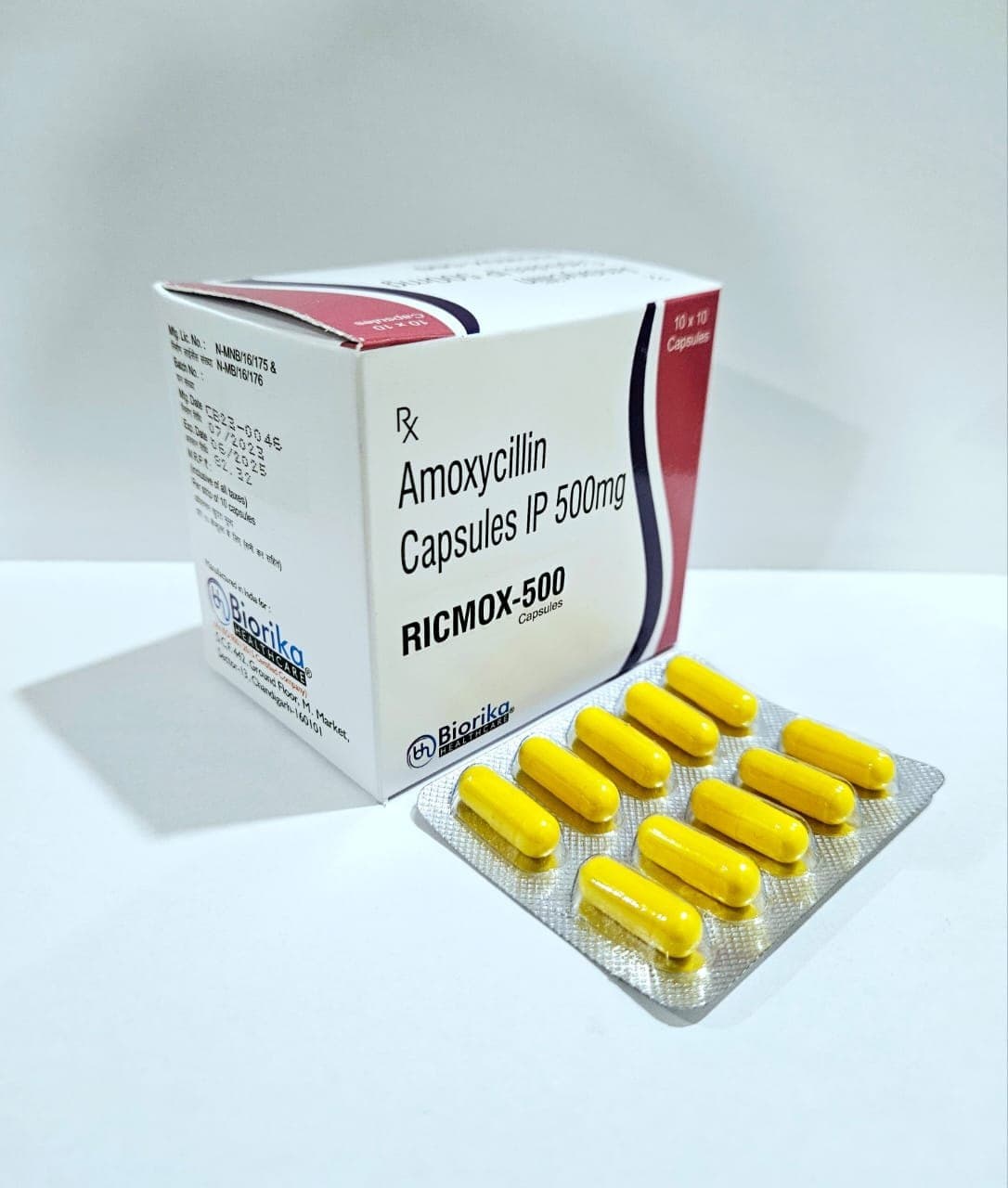
If you're prescribed amoxicillin or another antibiotic, it's because a clinician has judged a bacterial cause is likely or confirmed. If you're told it's probably viral and to manage symptoms instead, that's not being dismissed — it's the evidence-based call for that presentation, and pushing for antibiotics anyway wouldn't actually help.
This article is general information, not medical advice. Only a doctor examining you — and, where appropriate, testing — can determine whether your specific infection is viral or bacterial and what treatment, if any, is appropriate.
Frequently asked questions
Can you tell if an infection is viral or bacterial just from symptoms?+
Not reliably in many cases — some patterns can suggest one over the other, but overlap is common, which is why a doctor's examination, and sometimes a test, is often needed for a confident answer.
Will antibiotics help a viral infection recover faster?+
No. Antibiotics target structures specific to bacteria, which viruses don't have, so they have no effect on a purely viral infection.
Is it ever fine to take antibiotics 'just in case' when unsure?+
No — this doesn't help if the infection is viral, still carries the same risk of side effects, and contributes to antibiotic resistance at a population level. Let a doctor make the call based on examination and, if needed, testing.
Why would a doctor say 'wait and see' instead of prescribing something?+
For many infections, especially viral ones, symptom relief and time are the actual treatment, and a follow-up visit is the safety net if things don't improve. This is a considered clinical decision, not a brush-off.
Kamagra AUS Health Editorial Team
Plain-English health writing from our in-house editorial team — sourced to the TGA, healthdirect and each medicine's product information, and focused on how Australians actually access and use medicines safely.
How our content is written & reviewedRelated treatments
Browse the medicines and conditions related to this guide:
Mentioned in this guide
Shop the treatments covered here
Genuine medicines from the guide above — discreetly delivered Australia-wide.