Snoring or Sleep Apnea? How to Tell the Difference
Reviewed by the Kamagra AUS Pharmacy Team on 20 November 2025 · Next review June 2027
Summary
Most people with sleep apnea snore, but most people who snore don't have sleep apnea. Here's how the two actually differ, and when snoring is worth a proper sleep assessment.
On this page
Snoring and sleep apnea are related but different things: snoring is a sound caused by vibrating tissue in the airway, while sleep apnea is a condition where breathing actually stops and restarts repeatedly during sleep — and while most people with sleep apnea do snore, most people who snore don't have sleep apnea.
What plain snoring is
Plain (or "simple") snoring happens when airflow causes soft tissue in the throat to vibrate during sleep. It's extremely common, can be worsened by sleeping position, alcohol, nasal congestion or weight, and on its own generally isn't dangerous — though it can certainly disturb a partner's sleep.
What sleep apnea actually is
Obstructive sleep apnea involves repeated pauses in breathing — sometimes dozens or more per hour in more severe cases — as the airway partially or fully collapses during sleep. Each pause briefly wakes the brain, often without the person remembering it, to resume breathing, which fragments sleep even though the person may not recall waking at all.
The warning signs that point toward apnea rather than plain snoring
Loud snoring with pauses, gasping or choking sounds during sleep — often noticed by a partner rather than the person themselves — excessive daytime sleepiness despite a full night in bed, morning headaches, and waking unrefreshed are all signs that lean toward sleep apnea rather than simple snoring. None of these on their own is a diagnosis, but a combination is worth raising with a doctor.
Why the distinction actually matters
Simple snoring is mostly a nuisance issue. Untreated sleep apnea, by contrast, is linked to broader health risks over time, including cardiovascular strain, because of the repeated drops in oxygen and sleep fragmentation. This is the real reason the distinction matters — not because snoring itself is dangerous, but because it can be the visible clue to something that needs proper assessment.
How it's actually diagnosed
Sleep apnea can't be reliably self-diagnosed from symptoms alone — a sleep study, either in a lab or increasingly via an at-home monitoring device, is the standard way to confirm it and gauge severity. If a partner has raised concerns about your breathing during sleep, or you have the daytime symptoms above, that's a conversation worth having with a doctor, who can arrange the appropriate assessment.
Where excessive daytime sleepiness treatment fits in
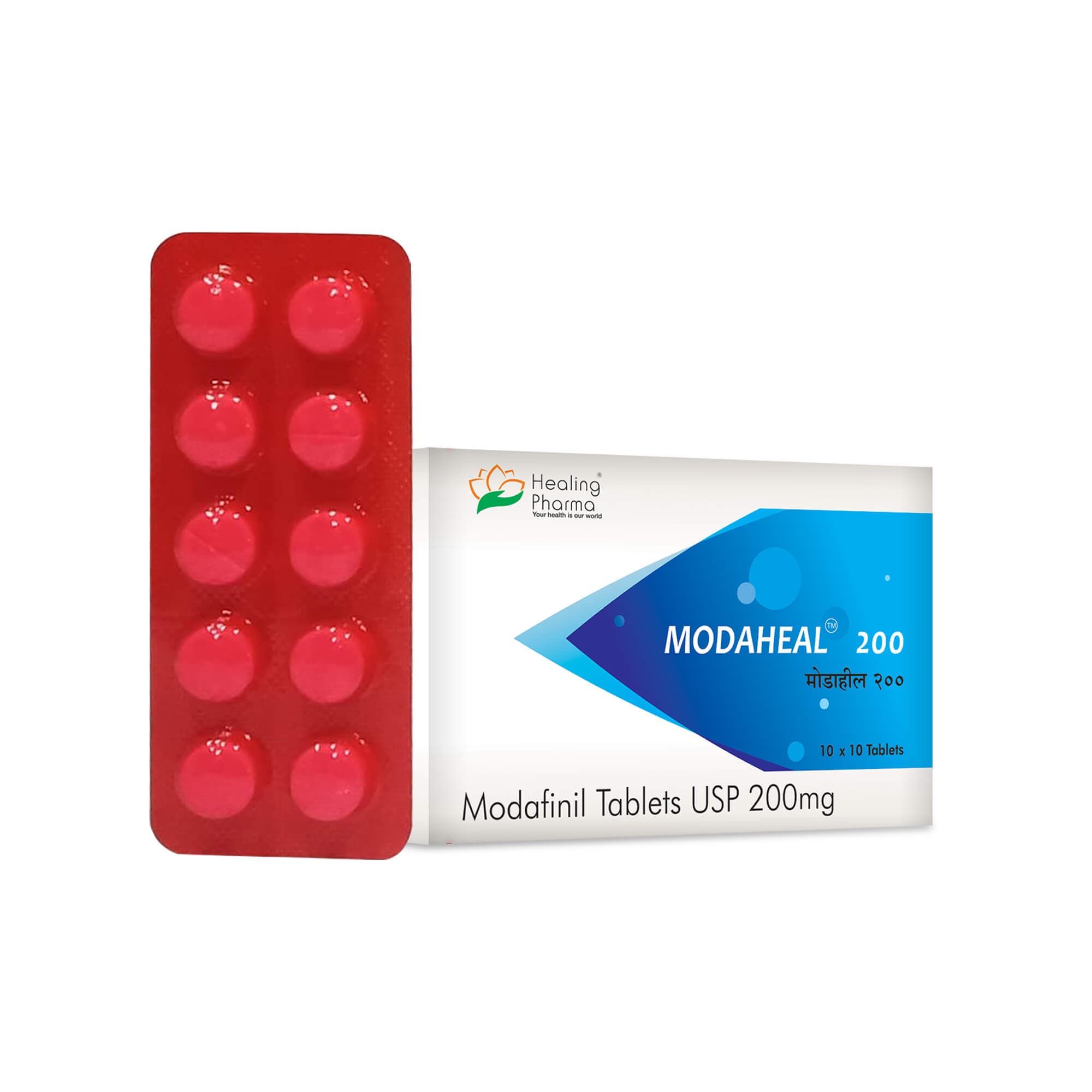
For some people with diagnosed and treated obstructive sleep apnea who still experience excessive daytime sleepiness, a doctor may discuss options including modafinil as an adjunct — but this follows a confirmed diagnosis and ongoing primary treatment, not as a substitute for either.
This article is general information, not medical advice. Only a proper sleep assessment can confirm sleep apnea — if you or a partner has noticed the warning signs above, speak with a doctor.
Frequently asked questions
Does everyone who snores have sleep apnea?+
No — most people who snore don't have sleep apnea. Plain snoring is common and usually not dangerous on its own, while sleep apnea specifically involves repeated pauses in breathing during sleep.
What are the warning signs that snoring might actually be sleep apnea?+
Loud snoring with pauses or gasping sounds, excessive daytime sleepiness despite enough time in bed, morning headaches and waking unrefreshed are all signs worth discussing with a doctor.
How is sleep apnea actually diagnosed?+
A sleep study — either lab-based or an at-home monitoring device — is the standard way to confirm sleep apnea and assess its severity. It isn't something that can be reliably self-diagnosed from symptoms alone.
Why does untreated sleep apnea matter if it's 'just' disrupted sleep?+
Beyond the sleep disruption itself, untreated sleep apnea is linked to broader health risks over time due to repeated drops in oxygen and fragmented sleep, which is why proper assessment and treatment matter.
Kamagra AUS Health Editorial Team
Plain-English health writing from our in-house editorial team — sourced to the TGA, healthdirect and each medicine's product information, and focused on how Australians actually access and use medicines safely.
How our content is written & reviewedSources for the medical information in this guide
- Sleep Health Foundation — Australian sleep-health charity — search the topic for evidence-based guidance on insomnia and sleep disorders.
Related treatments
Browse the medicines and conditions related to this guide:
Mentioned in this guide
Shop the treatments covered here
Genuine medicines from the guide above — discreetly delivered Australia-wide.