ED Medicine and Food: Does a Heavy Meal Matter?
Reviewed by the Kamagra AUS Pharmacy Team on 16 July 2026 · Next review June 2027
Summary
Food affects how some medicines are absorbed, and this class is a well-known example. What the science says about meals, fat and grapefruit — without any timing instructions.
On this page
Food changes how some medicines are absorbed, and this medicine class is one of the better-known examples. That makes it a fair question — and a question people often try to answer from forums rather than from their pharmacist. This article explains the general principle and where it applies. It contains no timing instructions, because how and when to take a prescribed medicine is set out in the product information and by your prescriber, not by an article.
How food affects absorption at all
When a medicine is swallowed, it has to dissolve, pass through the stomach, and be absorbed in the small intestine before it reaches the bloodstream.
Food interferes with that sequence in several ways. It slows the rate at which the stomach empties into the intestine. Fat in particular can bind to some compounds or alter how they dissolve. A full stomach also changes acidity and fluid volume.
The usual result for an affected medicine is that absorption is slower and the peak concentration reached in the blood is lower, even though the total amount eventually absorbed may not change much. In other words: food more often shifts the shape of the absorption curve than the area under it.
Where this applies in this class
The published product information for these ingredients establishes some general differences.
- Sildenafil absorption is meaningfully affected by a heavy or high-fat meal — the rate of absorption slows and the peak level is reduced.
- Vardenafil behaves broadly similarly, with high-fat meals having the more pronounced effect.
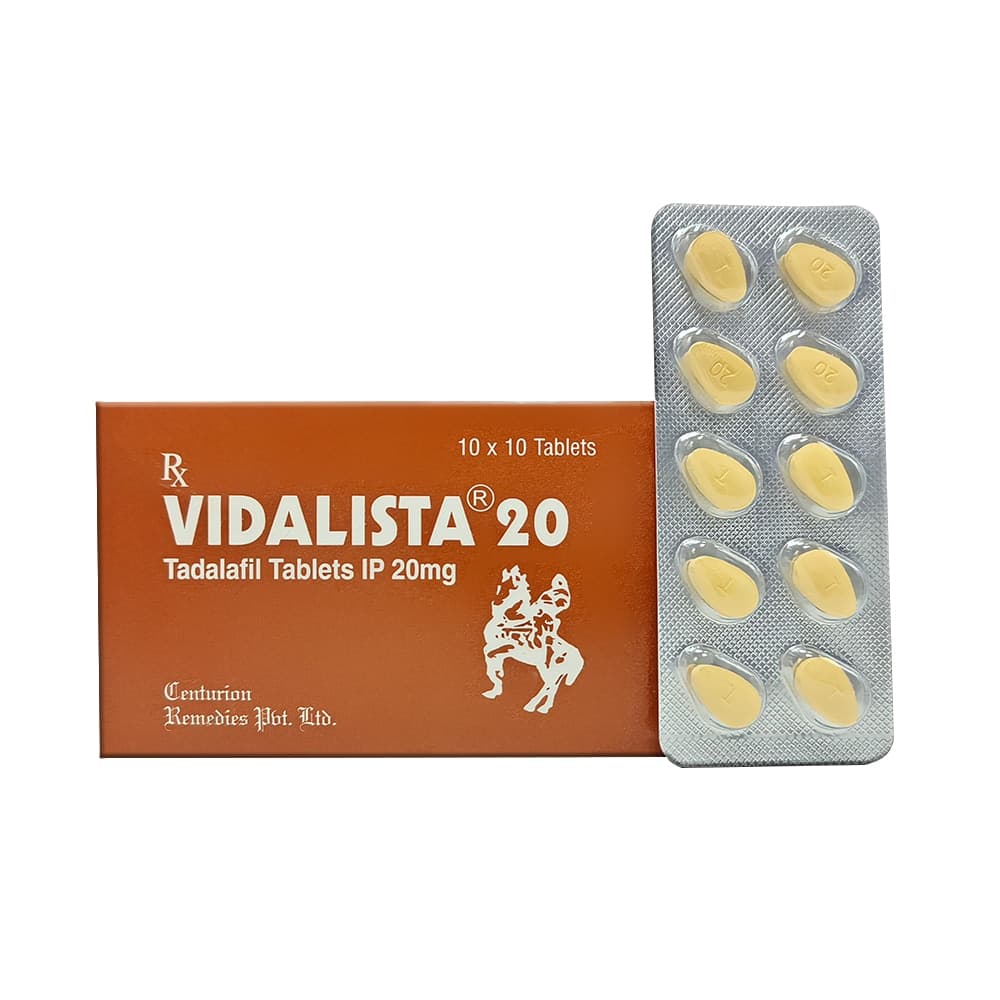
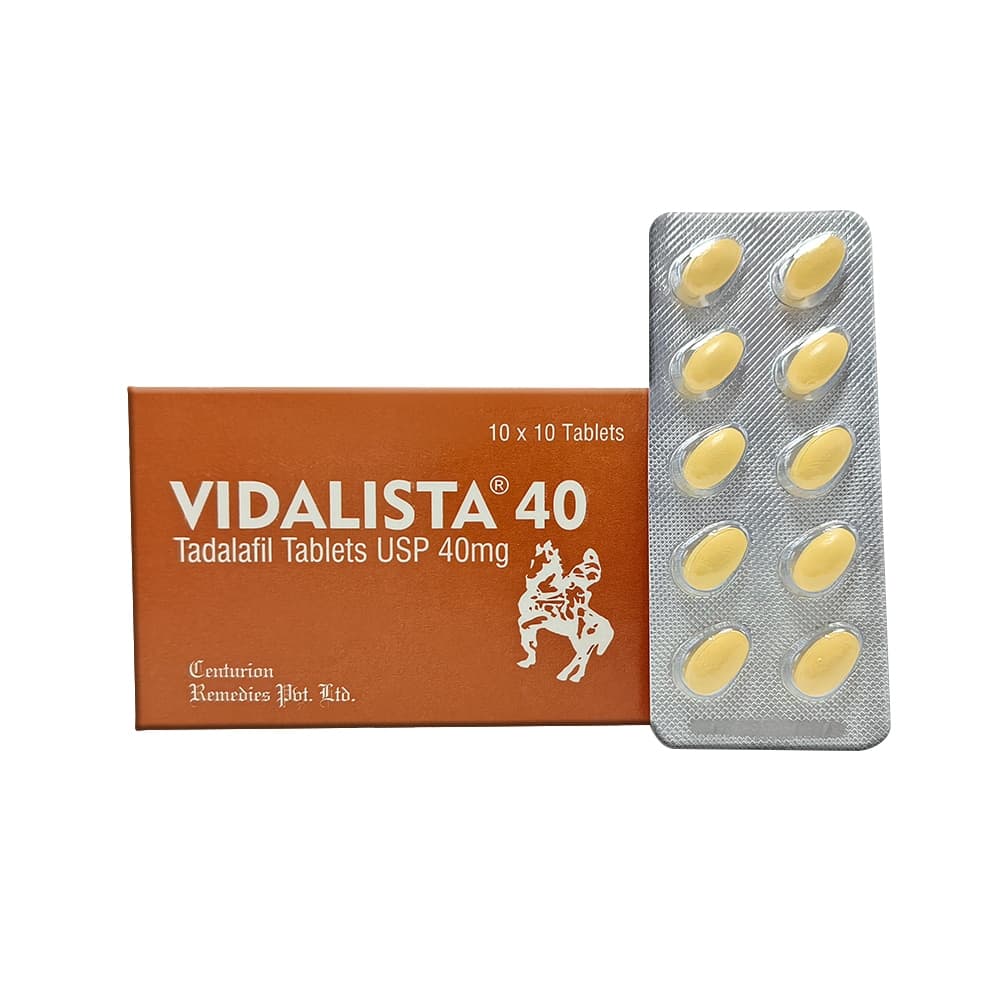
- Tadalafil absorption is notably less affected by food. This is one of the recognised characteristics distinguishing it within the class, alongside its longer half-life.
That is the extent of what a general article should say. Precisely what to do with that information — including any instruction about taking a medicine with or without food — comes from the approved product information for the specific product you have been prescribed, and from your prescriber or pharmacist.
Fat matters more than volume
A common misunderstanding is that any food is a problem. The evidence points more consistently to fat content than to sheer quantity. A large but low-fat meal and a small but very rich one are not equivalent from an absorption standpoint.
For an Australian context, that means the classic dinners preceding these situations — a fatty pub parma, a creamy pasta, a plate of fried food, a heavy cheese board — are more relevant than a large salad.
Alcohol is a separate issue
Alcohol usually accompanies a meal, but it is a different mechanism and should not be lumped in with food effects.
Alcohol depresses the central nervous system signalling involved in arousal, and it lowers blood pressure through vasodilation. Because PDE5 inhibitors also produce a modest blood pressure reduction, the two effects can add together — producing dizziness, light-headedness and headache. That is an interaction of physiological effects rather than an absorption question.
Grapefruit is a genuine interaction
Grapefruit and grapefruit juice come up repeatedly in relation to this class, and unlike most food folklore this one has a real mechanism behind it.
Compounds in grapefruit inhibit an enzyme system in the gut and liver — CYP3A4 — that is responsible for metabolising many medicines, including this class. Inhibiting it can allow more of the medicine to reach the bloodstream than expected, effectively raising exposure without anything on the packaging changing.
This is not an absorption slowdown; it is an interaction that increases levels. The recognised side effects of the class — headache, flushing, dizziness, low blood pressure — are the ones most likely to be amplified. Raise grapefruit consumption with your pharmacist rather than assuming it is trivial.
What food does not change
Food affects absorption. It does not affect any of the following, which apply regardless of what is on your plate:
- Nitrates remain an absolute contraindication. Glyceryl trinitrate sprays, patches and tablets, isosorbide products, and the recreational inhalants known as poppers must never be combined with a PDE5 inhibitor. The combination can cause a severe, potentially fatal fall in blood pressure.
- Riociguat is contraindicated.
- Alpha-blockers require careful medical management.
- Significant cardiovascular disease — recent heart attack or stroke, unstable angina, uncontrolled hypertension, severe heart failure — must be assessed before any PDE5 inhibitor is considered, because sexual activity is physical exertion.
- The prescription requirement. Sildenafil, tadalafil and vardenafil are all Schedule 4 prescription-only medicines in Australia, requiring a prescription from a registered Australian prescriber. The TGA prohibits advertising prescription-only medicines directly to consumers.
The bigger dietary picture
There is a longer-term angle worth mentioning, and arguably it matters more than any single meal.
Erectile function depends on healthy blood vessels. Diets high in saturated fat, refined carbohydrate and salt contribute to the vascular conditions — high blood pressure, high cholesterol, insulin resistance — that are among the most common physical contributors to ED. Weight, activity, sleep and smoking all feed into the same picture.
A medicine addresses a symptom. Vascular health addresses part of the cause, and improvements there benefit far more than sexual function.
Warning signs that need urgent care
Independent of food: chest pain during or after sexual activity — call emergency services and tell them a PDE5 inhibitor has been taken; an erection lasting more than four hours; sudden loss of vision or sudden hearing loss or ringing; fainting; or signs of an allergic reaction.
Where to take the question
Ask your pharmacist. It is a short, free conversation, they have the approved product information for the specific product in front of them, and they can also check whether anything else you take is relevant. Healthdirect Australia and the Australian Commission on Safety and Quality in Health Care publish independent, plain-English background on medicines and food interactions.
This article is general educational information about medicines and food, not medical advice, and not an instruction about how or when to take any medicine. Speak with your doctor or pharmacist.
Frequently asked questions
Does a heavy meal affect all ED medicines equally?+
No. The published product information indicates sildenafil and vardenafil absorption is more affected by a heavy or high-fat meal, while tadalafil absorption is notably less affected. Specific instructions for a product come from its approved product information and your prescriber.
Is fat or quantity the bigger factor?+
Fat content is the more consistent factor. A large low-fat meal and a small very rich one are not equivalent, because fat influences how the medicine dissolves and how quickly the stomach empties.
Why is grapefruit mentioned as an interaction?+
Compounds in grapefruit inhibit the CYP3A4 enzyme system that metabolises this medicine class, which can raise the amount reaching the bloodstream. That tends to amplify recognised effects such as headache, flushing and dizziness. Discuss it with your pharmacist.
Kamagra AUS Health Editorial Team
Plain-English health writing from our in-house editorial team — sourced to the TGA, healthdirect and each medicine's product information, and focused on how Australians actually access and use medicines safely.
How our content is written & reviewedSources for the medical information in this guide
- Healthdirect Australia — Sildenafil — Australian guidance on medicines and health conditions — search "sildenafil" for current advice.
- PDE5 Inhibitors — StatPearls, NCBI Bookshelf — Peer-reviewed clinical pharmacology of the whole drug class.
- TGA — Sildenafil product information — Therapeutic Goods Administration — search the TGA's Product Information / ARTG for sildenafil-based products.
Related treatments
Browse the medicines and conditions related to this guide:
Mentioned in this guide
Shop the treatments covered here
Genuine medicines from the guide above — discreetly delivered Australia-wide.